If you are reading this, you probably know the frustration of “doing everything right” and still feeling like your body is working against you. Maybe you’re dealing with stubborn weight gain that won’t budge, irregular cycles that keep you guessing, or that persistent “tired but wired” feeling.
Living with PCOS (Polycystic Ovary Syndrome) can feel like an uphill battle. It’s not just about physical symptoms; it’s the emotional toll of feeling disconnected from your own body. You might have wondered: Can yoga help manage PCOS naturally? Or is it just another fitness trend?
The truth is, yoga isn’t a “magic pill,” but it is a powerful, science-backed tool that addresses the root causes of PCOS—stress, inflammation, and insulin resistance. Let’s explore how a gentle, beginner-friendly yoga practice can help you reclaim your health.
What is PCOS? A Simple Explanation
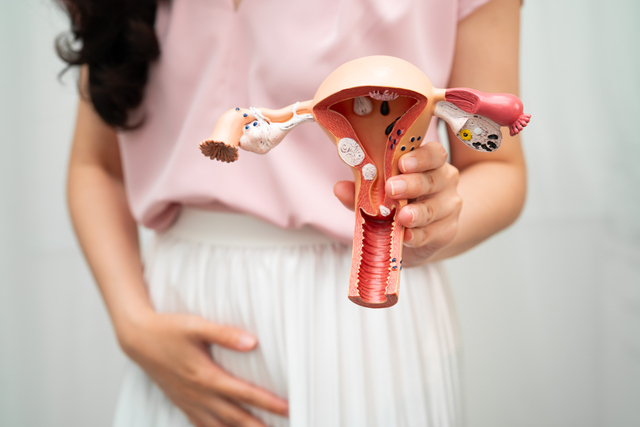
PCOS is a hormonal disorder common among women of reproductive age. Despite the name, you don’t necessarily need to have cysts on your ovaries to be diagnosed. At its core, PCOS is a metabolic and endocrine challenge.
When you have PCOS, your reproductive hormones are out of balance. This often leads to higher levels of androgens (male-type hormones) and issues with insulin, the hormone that converts sugar into energy.
Common symptoms include:
- Irregular or missing periods.
- Weight gain, particularly around the abdomen.
- Thinning hair or unwanted facial hair.
- Persistent acne.
- Difficulty sleeping and high stress levels.
Can Yoga Help with PCOS Relief? (The Honest Answer)
It’s important to be realistic: Yoga will not “cure” PCOS overnight. However, it is one of the most effective ways to manage the condition long-term.
PCOS is often driven by a cycle of stress and high cortisol. When you are stressed, your insulin resistance worsens, leading to more weight gain and further hormonal disruption. Yoga breaks this cycle. By moving your body mindfully, you transition from a “fight or flight” state into “rest and digest.”
Consistency is the secret ingredient. A 20-minute daily practice is far more effective for yoga for PCOS than a two-hour session once a month.
How Yoga Supports Hormone Balance
Yoga acts as a bridge between your physical body and your endocrine system. Here is how it helps:
- Lowers Cortisol: High stress (cortisol) triggers insulin spikes. Yoga’s focus on deep breathing tells your nervous system it is safe to relax.
- Improves Insulin Sensitivity: Specific poses help massage the abdominal organs and improve how your body processes glucose, aiding in yoga for PCOS weight loss.
- Supports the Endocrine System: Poses that involve gentle inversions or twists help stimulate the glands responsible for hormone production, contributing to overall hormonal balance yoga.
Beginner-Friendly Yoga Routine for PCOS
You don’t need to be flexible to start. These poses are designed to be accessible, calming, and effective for stimulating the pelvic region and reducing stress.
1. Butterfly Pose (Baddha Konasana)
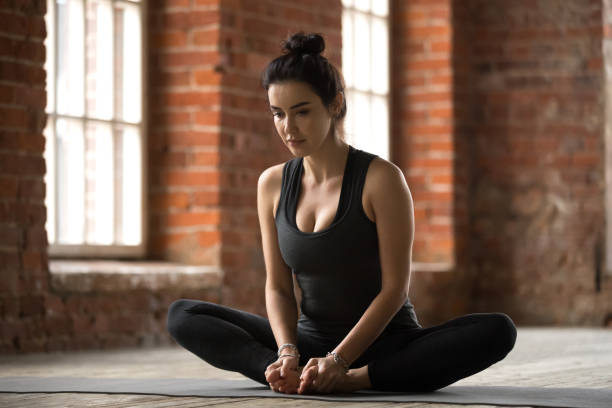
This is the “gold standard” for PCOS. It helps open up the pelvic region and stimulates the ovaries.
- How to do it: Sit with your spine straight. Fold your knees and bring the soles of your feet together. Hold your feet and gently bounce your knees like butterfly wings, or simply press them toward the floor.
- Benefit: Improves blood circulation to the reproductive organs.
2. Reclining Bound Angle Pose (Supta Baddha Konasana)
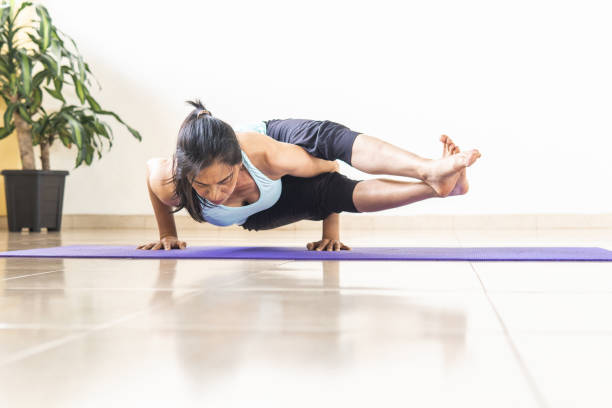
A restorative version of the butterfly pose that is deeply relaxing.
- How to do it: Lie on your back with the soles of your feet together and knees dropped open. Place a pillow under your knees for support if needed. Rest your hands on your belly.
- Benefit: Reduces stress and calms the nervous system.
3. Cobra Pose (Bhujangasana)
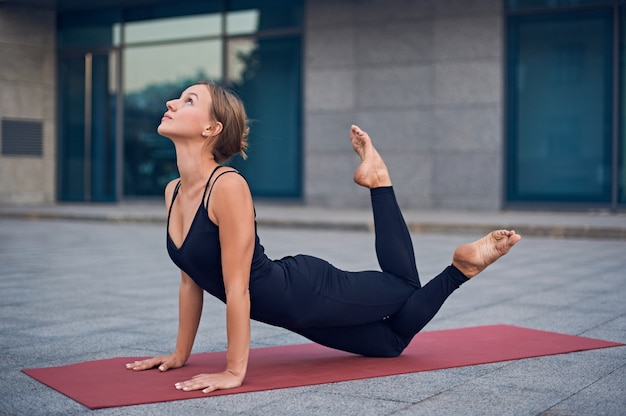
A gentle backbend that targets the adrenal glands.
- How to do it: Lie on your stomach with palms under your shoulders. Gently lift your chest off the floor using your back muscles, keeping your elbows close to your body.
- Benefit: Eases pressure on the stomach and helps regulate the thyroid.
4. Cat-Cow Stretch (Chakravakasana)
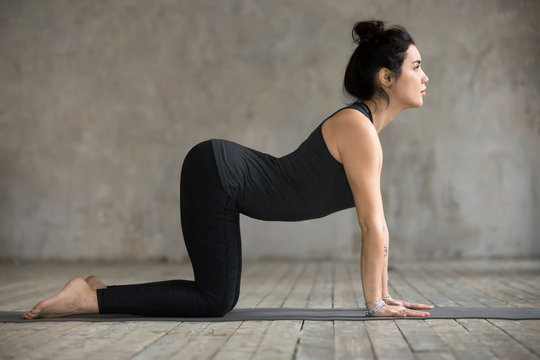
A fluid movement that syncs breath with motion.
- How to do it: Get on all fours. Inhale as you arch your back and look up (Cow). Exhale as you round your spine and tuck your chin (Cat).
- Benefit: Massages the digestive organs and improves spinal flexibility.
5. Child’s Pose (Balasana)
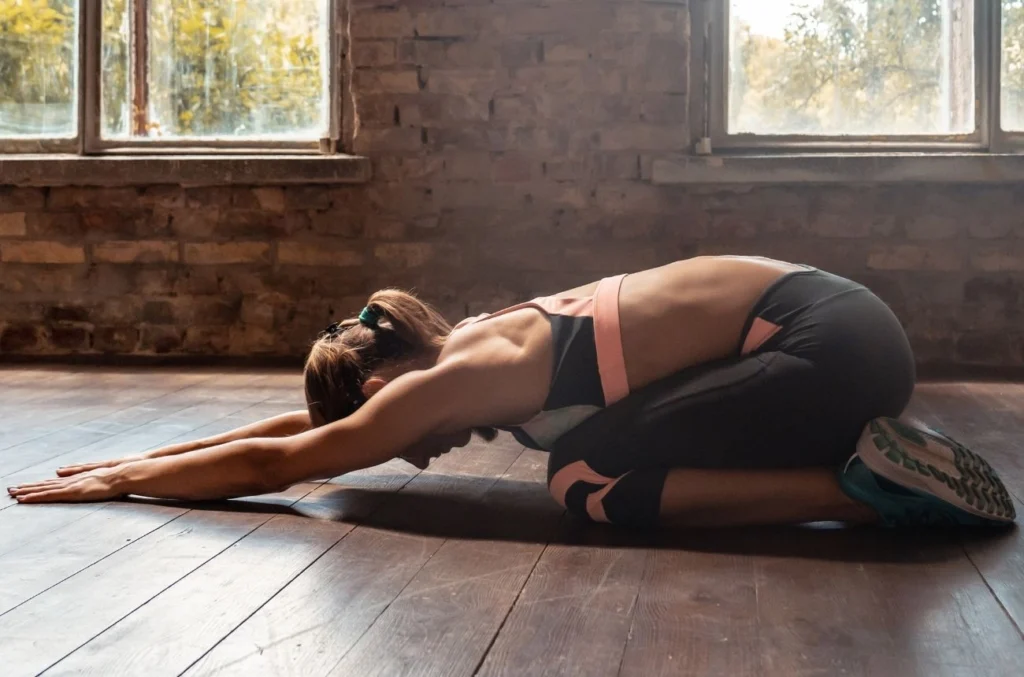
The ultimate “reset” button for your brain.
- How to do it: Kneel on the floor, sit on your heels, and fold forward until your forehead touches the mat. Stretch your arms in front or beside you.
- Benefit: Quietens the mind and relieves tension in the lower back.
Yoga for Weight Loss in PCOS
Weight loss with PCOS is different. High-intensity interval training (HIIT) can sometimes backfire by raising cortisol too high, which tells the body to “hold onto fat.”
Yoga offers a slow but sustainable approach. It builds lean muscle and improves metabolism without overtaxing your adrenals. Over time, as your stress levels drop and your insulin sensitivity improves, you’ll find that weight management becomes a natural byproduct of a balanced system rather than a forced struggle.
Your 20-Minute Daily Routine Suggestion
If you’re a beginner, try this simple flow every morning or before bed:
- Centering (2 mins): Sit quietly and focus on deep belly breathing.
- Cat-Cow (3 mins): Wake up the spine and organs.
- Butterfly Pose (5 mins): Focus on opening the hips.
- Cobra Pose (2 mins): Gentle heart opening.
- Child’s Pose (3 mins): Calm the nervous system.
- Savasana/Final Relaxation (5 mins): Lie flat on your back and let the benefits of the practice sink in.
Addressing Related Hormonal Issues
PCOS rarely travels alone. Many women find that as they balance their PCOS, they also need to address other interconnected concerns. Incorporating specific movements can help:
- Yoga for PCOD: Similar to PCOS, focusing on pelvic blood flow is essential.
- Yoga for Thyroid: Many women with PCOS also have thyroid imbalances. Poses like the Shoulder Stand (with caution) or Cobra can be beneficial.
- Yoga for Hair Fall: Stress-reducing poses and gentle inversions improve blood flow to the scalp, which may help manage thinning hair.
- Hormonal Balance Yoga: This involves a holistic approach, combining breathwork (Pranayama) with physical movement.
How to Start Yoga at Home
The beauty of yoga is that you don’t need a gym membership. You can start in your living room today.
- Set the Mood: Find a quiet corner and perhaps light a candle or dim the lights.
- Use Props: Don’t be afraid to use pillows, blankets, or books as blocks. Comfort is key to keeping your cortisol low.
- Join a Community: If you find it hard to stay motivated alone, look for online yoga classes. Having a teacher guide you through the screen can provide the structure you need without the stress of commuting to a studio.
Common Mistakes to Avoid
- Pushing Too Hard: If a pose hurts, stop. Yoga for PCOS should feel nourishing, not exhausting.
- Holding Your Breath: Breath is the bridge to your hormones. If you stop breathing, you’re triggering a stress response.
- Inconsistency: Doing an hour once a week is less effective than doing 10 minutes every day.
- Comparing Yourself: Your journey is unique. Your “Butterfly Pose” doesn’t have to look like a magazine cover to be working.
Final Thoughts: A Journey Toward Healing
Managing PCOS is a marathon, not a sprint. While the symptoms can feel overwhelming, remember that your body is not your enemy—it is simply out of balance and asking for a little extra care.
By integrating yoga for PCOS into your life, you are choosing a path of kindness and sustainability. Be patient with yourself. Some days you will feel energetic; other days, a simple Child’s Pose is all you’ll have the energy for. Both are victories.
Important Disclaimer: Yoga can support PCOS management, but it is not a substitute for medical treatment. Always consult a healthcare professional for proper diagnosis and care.
Take the first step today. Put down your phone, sit on the floor, and take five deep, conscious breaths. You’ve already started.
Start Your Journey Today
Join Online Yoga Classes at Home
Beginner-friendly | Live sessions | Women-focused
Book Your Slot Now