Living with PCOS (Polycystic Ovary Syndrome) can often feel like you’re at war with your own body. One morning you’re dealing with unexpected breakouts; the next, you’re struggling with fatigue, stubborn weight gain, or the emotional toll of irregular cycles.
If you’ve ever felt frustrated by the “one-size-fits-all” medical advice or overwhelmed by hormonal fluctuations, you are not alone.
The most common question many women ask is: “Can yoga help manage PCOS naturally?”
The short answer is yes—but not as a “magic pill.” Yoga offers a holistic way to reconnect with your body, soothe your nervous system, and create an internal environment where hormonal harmony can thrive. Let’s explore how rolling out your mat can be the first step toward reclaiming your health.
What Exactly is PCOS?
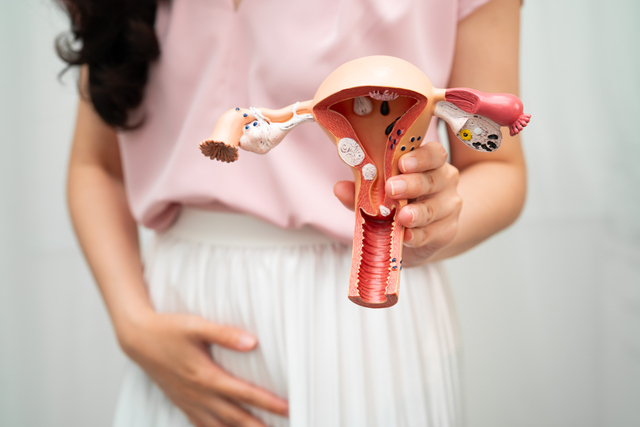
PCOS is a hormonal disorder common among women of reproductive age. Essentially, the ovaries may develop small collections of fluid (follicles) and fail to regularly release eggs.
Common symptoms include:
- Irregular or missed periods.
- Excess androgen (male hormone) levels, leading to facial hair or acne.
- Polycystic ovaries visible on scans.
- Weight gain, especially around the abdomen.
- Thinning hair or yoga for hair fall concerns.
While the exact cause is unknown, insulin resistance and high levels of inflammation are major drivers. This is where lifestyle—specifically movement and stress management—becomes your greatest ally.
Can Yoga Help with PCOS? (An Honest Answer)
Yoga is not a “cure” for PCOS, as the condition is often managed rather than eliminated. However, it is one of the most effective tools for symptom management. Unlike high-intensity workouts that can sometimes spike cortisol (the stress hormone) and exacerbate hormonal issues, yoga focuses on the endocrine system and the parasympathetic nervous system.
Consistency is key. Practicing Hormonal Balance Yoga isn’t about doing the most advanced poses; it’s about regular, mindful movement that tells your body it is safe to relax and heal.
How Yoga Helps Balance Hormones
Yoga works on a deeper level than just “stretching.” It impacts the body in three specific ways:
- Reduces Cortisol: High stress levels worsen insulin resistance. Yoga lowers stress, which in turn helps balance reproductive hormones.
- Improves Metabolism: Specific twists and flows stimulate the abdominal organs, aiding digestion and metabolic health.
- Enhances Blood Circulation: Many asanas improve blood flow to the pelvic region, ensuring the ovaries receive the nutrients and oxygen they need.
8 Effective Yoga Asanas for PCOS
Here are eight beginner-friendly poses designed to target the pelvic region, reduce stress, and support your hormonal journey.
1. Baddha Konasana (Bound Angle Pose / Butterfly Pose)
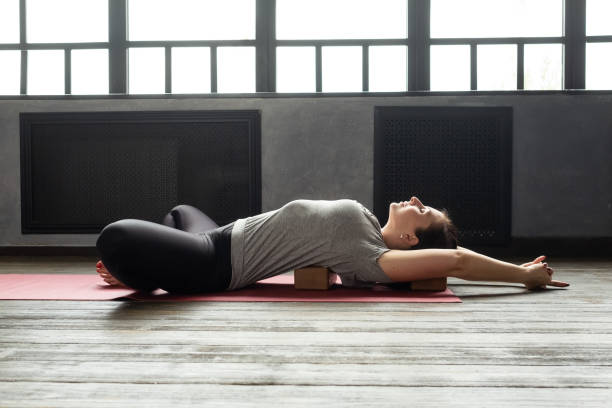
This is perhaps the most famous pose for PCOS. It helps open up the pelvic region and stimulates the reproductive organs.
- Benefits: Improves flexibility in the hip area and reduces stress.
- How to do: Sit with your spine straight. Fold your knees and bring the soles of your feet together. Hold your feet with your hands and gently bounce your knees like butterfly wings.
2. Supta Baddha Konasana (Reclined Butterfly Pose)
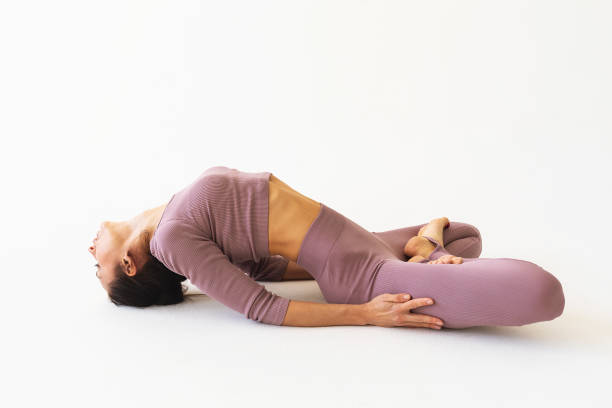
A restorative variation of the butterfly pose that is deeply relaxing.
- Benefits: Calms the nervous system and stimulates blood flow to the lower abdomen.
- How to do: From a seated butterfly position, slowly lean back until your back is flat on the floor. Place one hand on your heart and one on your belly. Breathe deeply.
3. Bhujangasana (Cobra Pose)
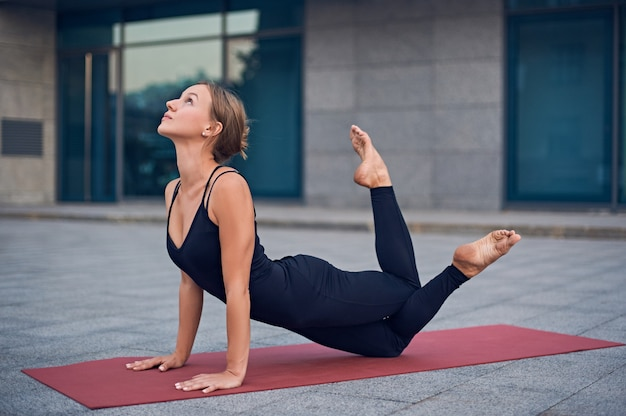
This pose offers a gentle stretch to the abdomen while strengthening the spine.
- Benefits: Helps regulate the menstrual cycle and improves gallbladder/liver function.
- How to do: Lie on your stomach with palms under your shoulders. Inhale and slowly lift your chest off the floor, keeping your elbows slightly bent. Look upward gently.
4. Dhanurasana (Bow Pose)
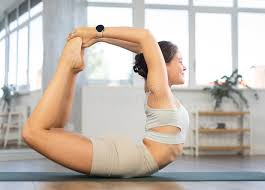
This pose acts as a powerful massage for the abdominal organs.
- Benefits: Stimulates the reproductive organs and helps relieve menstrual discomfort.
- How to do: Lie on your stomach. Bend your knees and reach back to hold your ankles. Inhale and lift your thighs and chest off the floor simultaneously, forming the shape of a bow.
5. Malasana (Garland Pose / Deep Squat)
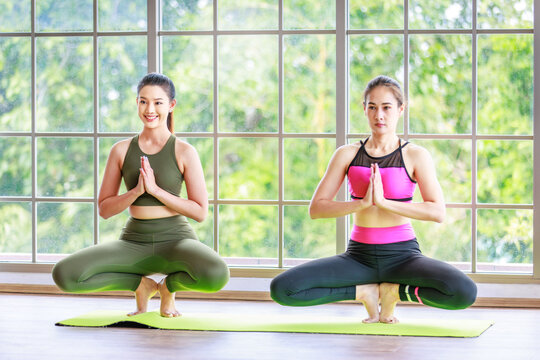
The squat is a functional movement that strengthens the pelvic floor.
- Benefits: Opens the hips and increases circulation to the pelvic region.
- How to do: Stand with feet slightly wider than hip-width. Squat down low, keeping your heels on the floor. Bring your palms together in a prayer position and use your elbows to gently push your knees outward.
6. Paschimottanasana (Seated Forward Bend)
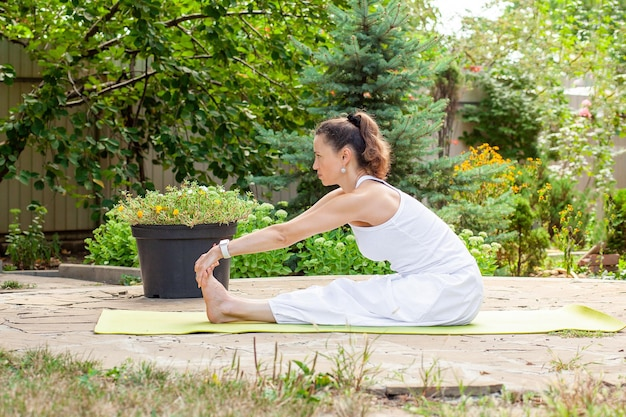
Forward folds are excellent for calming the mind and stretching the lower back.
- Benefits: Reduces anxiety and balances the flow of energy in the pelvic area.
- How to do: Sit with legs extended straight in front of you. Inhale and reach up; exhale and fold forward from the hips, reaching for your toes or shins.
7. Viparita Karani (Legs Up The Wall)
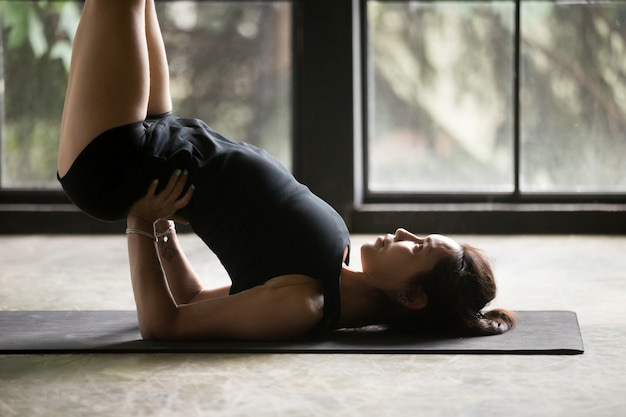
This is a “must-do” for anyone dealing with hormonal imbalances or fatigue.
- Benefits: Relaxes the pelvic muscles and improves lymphatic drainage.
- How to do: Sit sideways against a wall and gently swing your legs up onto the wall as you lie back. Keep your arms relaxed by your sides and stay for 5–10 minutes.
8. Shavasana (Corpse Pose)
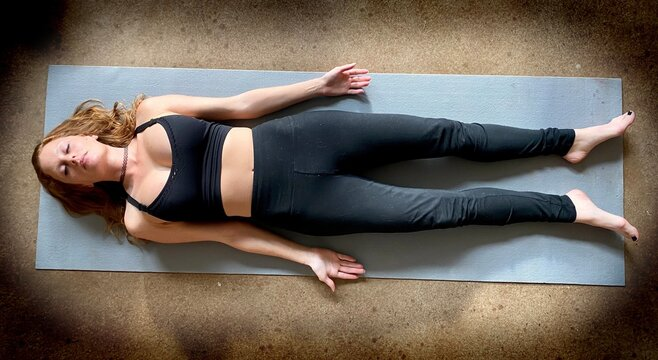
Never skip this. PCOS is often driven by a “fight or flight” response in the body; Shavasana is the antidote.
- Benefits: Total relaxation that allows the body to enter “rest and digest” mode, which is vital for hormone production.
- How to do: Lie flat on your back, arms and legs spread comfortably. Close your eyes and focus on your breath, letting go of all tension.
Daily Yoga Routine Suggestion (15–20 Minutes)
If you’re a beginner, don’t feel pressured to do an hour-long session. Start with this simple flow:
- Centering (2 mins): Sit quietly and breathe.
- Butterfly Pose (3 mins): Wake up the hips.
- Cobra Pose (2 mins): Open the chest and abdomen.
- Malasana (2 mins): Engage the pelvic floor.
- Legs Up The Wall (5 mins): Deeply relax.
- Shavasana (3 mins): Seal the practice.
Lifestyle Tips Along with Yoga
Yoga works best when supported by a healthy foundation. To see the best results for your Yoga for PCOD journey, consider these pillars:
- Diet: Focus on whole foods. High-fiber vegetables and lean proteins help manage insulin spikes.
- Sleep: Aim for 7–9 hours. Hormones are “repaired” while you sleep.
- Stress Management: Aside from yoga, try journaling or meditation to keep cortisol in check.
Related Hormonal Issues
It is very common for PCOS to overlap with other hormonal challenges. Many women who find relief through yoga for their ovaries also explore:
- Yoga for Thyroid: Since thyroid issues often co-exist with PCOS, poses like Shoulder Stand (Sarvangasana) can be beneficial.
- Yoga for Hair Fall: Inversions like downward dog help increase blood flow to the scalp, which may help with thinning hair caused by PCOS.
- Hormonal Balance Yoga: This broader practice incorporates pranayama (breathing exercises) like Nadi Shodhana to balance the entire endocrine system.
Common Mistakes to Avoid
- Pushing Too Hard: Yoga for PCOS should be nourishing, not punishing. Avoid over-exhausting yourself.
- Inconsistency: Practicing once a month won’t yield results. Aim for 3–4 times a week.
- Holding Your Breath: Breath is the bridge between the mind and body. Always keep your breathing steady and deep.
- Comparing Yourself: Every body is different. Your “Butterfly Pose” might look different than someone else’s, and that is perfectly okay.
Conclusion: Take the First Step Today
PCOS can feel like a heavy burden, but your body has an incredible capacity for healing when given the right tools. By integrating these eight asanas into your life, you aren’t just “exercising”—you are teaching your nervous system to find balance, your blood to flow more freely, and your hormones to stabilize.
You don’t need a fancy studio or expensive gear. You just need a quiet corner and the willingness to show up for yourself. Whether you are starting Yoga for PCOD or looking for a way to manage stress, remember that every small movement counts.
Start today: Which of these poses will you try tonight before bed?
Start Your Journey Today
Join Online Yoga Classes at Home
Beginner-friendly | Live sessions | Women-focused
Book Your Slot Now