Modern working women often manage multiple responsibilities at the same time. From professional deadlines and long working hours to household responsibilities and personal commitments, maintaining a healthy lifestyle can sometimes feel difficult. Sitting for extended periods, working on computers, commuting, irregular meals, and daily stress can affect physical and mental well-being.
Yoga can be a practical way for working women to include movement, stretching, breathing, and relaxation in their daily routine. Unlike workouts that may require long sessions or complicated equipment, yoga can be adapted to different schedules, fitness levels, and spaces. Even a short and consistent practice can help women become more aware of their posture, breathing, flexibility, and overall body movement.
Whether you work from home, have an office job, run a business, or manage a busy professional schedule, yoga can become a flexible part of your lifestyle. The key is to focus on consistency rather than trying to complete a long session every day.
Why Yoga Is Useful for Working Women
Working women may spend several hours sitting at a desk, attending meetings, using digital devices, or travelling. These daily habits can contribute to stiffness, tiredness, poor posture, and physical discomfort. Stress from deadlines and responsibilities can also make it difficult to relax after work.
Yoga combines physical postures with controlled breathing and mindful movement. This combination can make it suitable for people who want a balanced approach to fitness and relaxation.
A regular yoga routine may help support:
- Flexibility and mobility
- Better body awareness
- Strength and balance
- Relaxation and stress management
- Healthy movement habits
- Improved posture awareness
- A more consistent fitness routine
- Mindful breathing
- Physical activity during busy schedules
The benefits can vary from person to person. Yoga should complement healthy eating, adequate sleep, regular movement, and appropriate medical care when needed.
Benefits of Yoga for Working Women
Yoga can be particularly useful for women who find it challenging to dedicate large amounts of time to exercise. A thoughtfully planned routine can target different aspects of physical and mental wellness without requiring an elaborate setup.
Helps Support Flexibility and Mobility
Long hours at a desk can reduce the amount of movement performed throughout the day. Staying in one position for extended periods may leave the neck, shoulders, hips, and legs feeling stiff.
Yoga poses involve controlled stretching and movement through different ranges of motion. Regular practice can help support flexibility and mobility while encouraging women to move their bodies more frequently.
Simple poses such as Cat-Cow, Child’s Pose, seated stretches, and gentle spinal movements can be included in a short daily routine.
Supports Better Posture Awareness
Working on a laptop or computer for several hours can encourage poor sitting habits. Forward-head posture, rounded shoulders, and prolonged sitting may become common during busy workdays.
Yoga encourages awareness of spinal alignment and body positioning. Poses such as Mountain Pose, Cobra Pose, and gentle seated stretches can help practitioners become more conscious of how they hold their bodies.
Yoga alone cannot correct every posture-related issue, but combining yoga with an ergonomic workstation and regular movement breaks can support healthier daily habits.
Helps Manage Everyday Stress
Work deadlines, meetings, commuting, family responsibilities, and constant digital communication can create a demanding routine. Taking time to slow down and focus on breathing can provide a useful transition between work and personal time.
Breathing exercises, meditation, and gentle yoga can encourage relaxation and present-moment awareness. A few minutes of mindful breathing before or after work may help create a calmer routine.
Supports Strength and Balance
Yoga is not only about stretching. Many yoga postures require the body to support its own weight, which can engage different muscle groups.
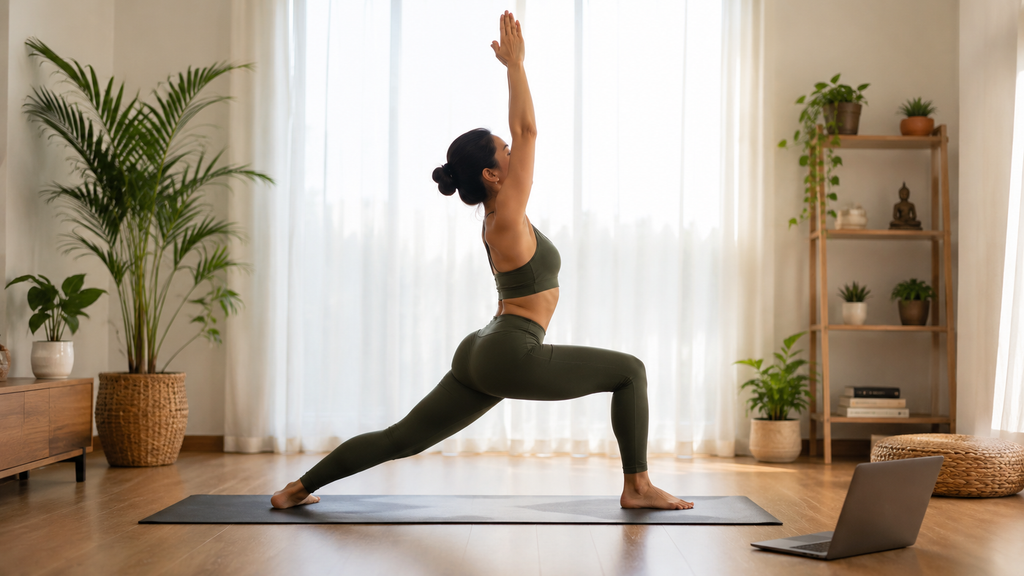
Standing poses such as Warrior II, Chair Pose, and Tree Pose can challenge strength, stability, and balance. Beginners can modify these poses according to their comfort and experience.
Encourages a Consistent Fitness Routine
One of the biggest challenges for working women is finding a workout routine that fits their schedule. A fitness plan that is too complicated may be difficult to maintain.
Yoga can be adapted to different time frames. A person may practice for 15 minutes in the morning, take a short movement break during the workday, or complete a longer session in the evening.
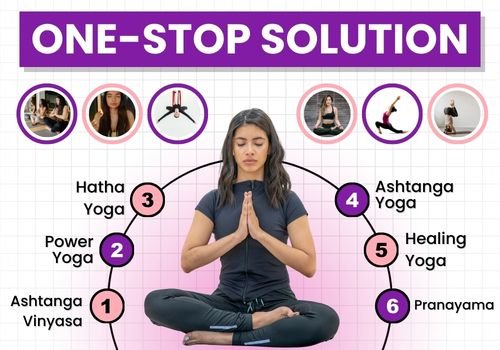
For women who prefer guided sessions and flexible schedules, choosing to Learn Yoga Online can make it easier to practice from home without spending time travelling to a studio.
Yoga Poses for Working Women
Working women do not necessarily need a complicated collection of yoga poses. A simple routine can include postures that focus on stretching, mobility, balance, strength, and relaxation.
Mountain Pose
Mountain Pose is a basic standing posture that can help develop awareness of body alignment.
Stand comfortably with your feet grounded. Keep your spine tall and allow your shoulders to relax. Keep your arms beside your body and breathe naturally.
Focus on maintaining a comfortable upright position rather than forcing the body into a rigid posture.
Cat-Cow Pose
Cat-Cow is a gentle movement that can be useful after spending time sitting.
Start on your hands and knees. As you inhale, gently lift your chest and move into a comfortable extension of the spine. As you exhale, round your back gently and allow your head to follow the movement naturally.
Repeat slowly for several breaths.
Child’s Pose
Child’s Pose is commonly used as a gentle resting posture.
Kneel comfortably and slowly bring your hips toward your heels. Extend your arms forward or keep them alongside your body, depending on what feels comfortable.
Breathe slowly and avoid forcing your hips or knees into a position that causes discomfort.
Downward-Facing Dog
Downward-Facing Dog can provide a full-body stretch while engaging the arms and legs.
Start from a hands-and-knees position and gradually lift your hips upward. Keep your knees slightly bent if needed and focus on creating a comfortable length through your spine.
Beginners can modify the pose rather than trying to straighten the legs completely.
Cobra Pose
Cobra Pose involves gentle spinal extension and can be included in a beginner-friendly yoga sequence.
Lie on your stomach with your hands placed near your shoulders. Press gently into the floor and lift your chest while keeping the movement controlled.
Avoid forcing the lower back into a deep bend. The height of the pose is less important than maintaining comfortable movement.
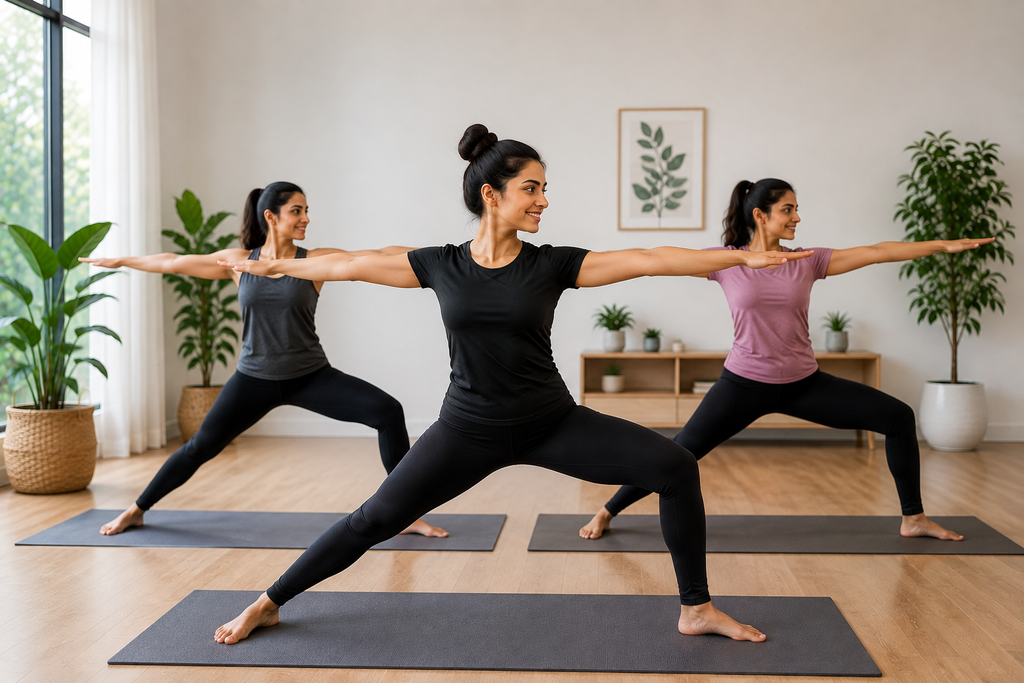
Warrior II
Warrior II is a standing posture that can engage the legs while challenging balance and stability.
Stand with your legs apart and turn one foot outward. Bend the front knee comfortably while extending your arms in opposite directions.
Keep your movements controlled and avoid allowing the front knee to collapse inward.
Tree Pose
Tree Pose is a balance-focused posture that can help develop concentration and stability.
Stand tall and shift your weight onto one foot. Place the other foot on the inner calf or thigh, avoiding direct pressure on the knee joint. Bring your hands together or extend them upward if comfortable.
Beginners can keep one hand near a wall or chair for support.
Seated Forward Fold
A seated forward fold can be included as a gentle stretching posture.
Sit with your legs extended or slightly bent. Slowly hinge forward from your hips without forcing yourself to reach your toes.
The goal is to create a comfortable stretch rather than achieving a specific depth.
A Simple Daily Yoga Routine for Working Women
A practical routine should fit into your lifestyle instead of creating additional pressure. You can adjust the duration according to your schedule and experience.
Morning Yoga Routine
Morning can be a convenient time for women who prefer to complete their exercise before work begins.
A simple 15–20 minute routine could include:
- 2–3 minutes of mindful breathing
- Gentle neck and shoulder movements
- Cat-Cow Pose
- Mountain Pose
- Warrior II
- Tree Pose
- Gentle seated stretching
- 2–3 minutes of relaxation
Start slowly and focus on controlled movements.
Midday Office Movement Routine
Even if you cannot complete a full yoga session during the workday, short movement breaks can help reduce prolonged sitting.
Every so often, stand up from your desk and walk around. You can also perform gentle shoulder rolls, neck movements, wrist stretches, and seated spinal movements.
These short breaks do not need to replace a complete exercise session. Instead, they can help you include more movement throughout your working day.
Evening Yoga Routine
An evening session can be useful for women who prefer to exercise after completing their professional responsibilities.
A 20–30 minute routine may include gentle standing poses, hip stretches, spinal movements, breathing exercises, and relaxation.
Avoid turning every evening session into an intense workout. Some days may be better suited to gentle yoga and breathing, particularly after a demanding workday.
How to Make Yoga a Daily Habit
Starting a yoga routine is often easier than maintaining one. Building a sustainable habit requires realistic expectations.
Start With Short Sessions
You do not need to practice for an hour every day. Starting with 10–15 minutes can make the routine feel more manageable.
Once the habit becomes consistent, you can gradually increase the duration if you want to
Choose a Convenient Time
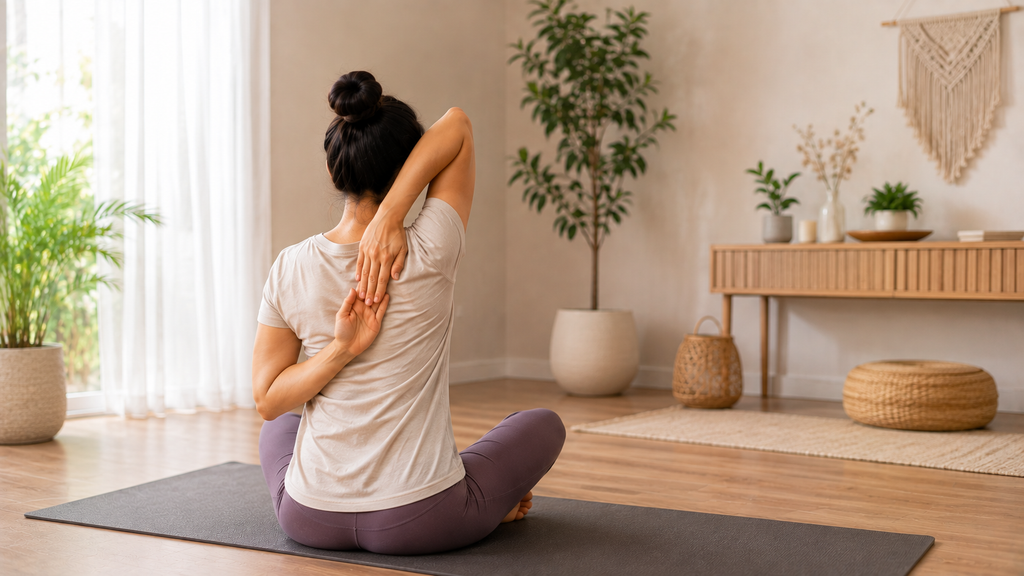
Select a time that fits naturally into your daily schedule. Some women may prefer early morning, while others may find evenings more practical.
The best time is the one that allows you to practice consistently without creating unnecessary stress.
Create a Dedicated Space
A small, clean area at home can be enough for yoga. Keep your mat and any necessary accessories ready so that starting a session requires less preparation.
You do not need a large room or expensive equipment to begin a basic practice.
Use Guided Classes
Beginners may find guided classes useful because an instructor can explain the sequence and demonstrate how movements are performed.
Online classes can also provide flexibility for women with changing work schedules. With Learn Yoga Online programs, practitioners can access structured sessions from home and fit practice around their professional and personal responsibilities.
Listen to Your Body
Yoga should not be about competing with others or forcing yourself into advanced positions.
If a movement causes sharp pain, stop and reassess. Modify the posture or take a rest when necessary. Beginners should gradually develop flexibility, strength, and balance rather than rushing into challenging poses.
Yoga and a Healthy Working-Woman Lifestyle
Yoga works best as part of a broader healthy lifestyle. Working women can support their well-being by combining regular movement with balanced nutrition, adequate hydration, sufficient sleep, and breaks from prolonged sitting.
Try to avoid staying at your desk continuously for several hours. Stand up, walk around, stretch gently, and change your position throughout the day.
Nutrition also matters. Regular balanced meals can help support energy levels during busy working days. Adequate sleep is equally important because the body needs sufficient recovery time.
Yoga can be one component of this overall lifestyle rather than a replacement for other healthy habits.
Safety Tips for Beginners
Before starting a new physical activity, especially if you have an existing medical condition, injury, are pregnant, or have recently undergone a medical procedure, consider discussing appropriate exercise with a qualified healthcare professional.
When practicing yoga:
- Start with beginner-friendly movements.
- Warm up before more demanding postures.
- Avoid forcing stretches.
- Maintain controlled breathing.
- Use modifications when necessary.
- Stop if you experience significant pain, dizziness, or unusual symptoms.
- Practice on a stable surface.
- Learn proper alignment from a qualified instructor when possible.
Your routine should be appropriate for your individual fitness level and circumstances.
Making Yoga Work With a Busy Schedule
A busy schedule does not necessarily mean that yoga has to be abandoned. Instead, the practice can be divided into smaller sessions.
For example, you could spend five minutes doing breathing exercises in the morning, take a short movement break during work, and complete a 15-minute yoga sequence in the evening.
On particularly busy days, even a short session can help maintain the habit. On days when you have more time, you can complete a longer practice.
The objective is not perfection. It is creating a realistic routine that can become part of your lifestyle.
Final Thoughts
Yoga can be a practical addition to the lifestyle of working women who want to make more time for movement, flexibility, strength, balance, and relaxation. With simple poses and a realistic schedule, yoga can be adapted around office hours, remote work, household responsibilities, and other commitments.
A consistent practice does not have to be long or complicated. Starting with a few minutes and gradually building your routine can make yoga easier to maintain over time.
Whether you are a beginner or already familiar with yoga, choose practices that match your current ability and schedule. With patience and consistency, yoga can become a meaningful part of a balanced daily routine.
Add a stronger Vipaasana call to actionRemove repeated benefits and sections