Yoga is more than just a form of exercise. It is a practice that brings together physical movement, breathing, concentration, and relaxation to support overall well-being. Whether you want to improve flexibility, build strength, manage everyday stress, or simply create a healthier routine, yoga can be adapted to suit different fitness levels and lifestyles.
For beginners, getting started with yoga may feel confusing because there are many different styles, poses, and approaches. Understanding the basics can make the journey easier and more enjoyable. This complete guide explains the different types of yoga, their benefits, beginner-friendly poses, and practical tips to help you build a consistent practice.
What Is Yoga?
Yoga is an ancient mind-body practice that combines physical postures, controlled breathing, mindfulness, and relaxation. The physical part of yoga involves different poses, often called asanas, which can help develop flexibility, balance, mobility, and strength.
Unlike many conventional workouts, yoga also focuses on breathing and mental awareness. Paying attention to your breath while moving through poses can encourage concentration and help you become more aware of your body.
Yoga does not require you to be extremely flexible or physically strong when you begin. Beginners can start with simple movements and gradually progress as their comfort and confidence improve.
Different Types of Yoga
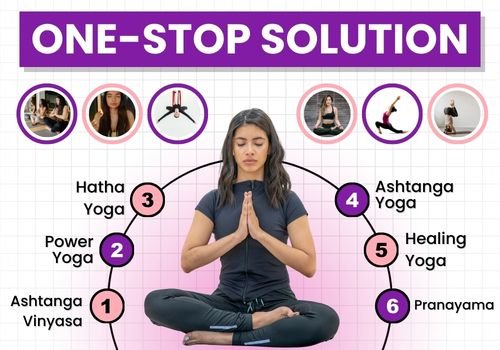
There are several styles of yoga, and each one offers a slightly different experience. Choosing a style often depends on your fitness level, goals, and personal preference.
Hatha Yoga is generally associated with slower-paced physical postures and breathing exercises. It can be a comfortable option for beginners who want to learn basic poses and develop body awareness.
Vinyasa Yoga connects movement with breathing and usually follows a flowing sequence of poses. It can provide a more active practice while still incorporating mindfulness and controlled breathing.
Ashtanga Yoga follows a structured sequence of poses and can be physically demanding. It is often preferred by people who enjoy a disciplined and consistent practice.
Yin Yoga is slower and focuses on holding poses for longer periods. It can be useful for people who want to spend more time working on relaxation, mobility, and mindful movement.
Restorative Yoga uses gentle poses and supportive props to create a relaxing practice. It can be a good choice for those who want a calmer approach to yoga.
Benefits of Practicing Yoga
Regular yoga practice can support several aspects of physical and mental well-being. The results can vary from person to person, and consistency is generally more important than trying to perform advanced poses quickly.
One commonly recognized benefit of yoga is improved flexibility. Regular stretching and controlled movement can help your body gradually become more comfortable with a wider range of motion.
Yoga can also help develop strength. Many poses require you to support and control your body weight, which can engage different muscle groups.
Balance and coordination are another important part of yoga. Standing poses and controlled transitions encourage you to develop greater awareness of body position and movement.
Yoga may also support better posture. Practicing poses that encourage awareness of the spine, shoulders, hips, and core can help you become more conscious of how you sit, stand, and move throughout the day.
Another major benefit is relaxation. Breathing exercises, slow movements, and mindful practice can create time away from everyday distractions and encourage a calmer state of mind.
Yoga for Flexibility and Mobility
Flexibility does not improve overnight. It usually develops gradually through consistent and comfortable movement.
Beginner poses such as Cat-Cow, Child’s Pose, Seated Forward Fold, and gentle standing stretches can introduce the body to controlled stretching. The goal should not be to force yourself into a deep position. Instead, focus on breathing normally and moving within a comfortable range.
Mobility and flexibility are related but not identical. Mobility involves the ability to move a joint through a range of motion with control. Yoga can combine stretching with active movement, helping you become more comfortable with everyday physical movements.
Yoga for Strength and Fitness
Yoga can also become a valuable part of a fitness routine. Poses such as Plank, Chair Pose, Warrior variations, Bridge Pose, and Boat Pose can challenge different areas of the body.
Strength-focused yoga does not necessarily mean moving quickly. Maintaining proper alignment and controlling your movements can make simple poses more challenging.
Beginners should focus on technique before increasing the duration or difficulty of a pose. As your practice develops, you can gradually explore longer sequences and more challenging variations.
For people who prefer guided workouts, joining an online fitness class can provide structure and make it easier to maintain a regular exercise schedule.
Beginner-Friendly Yoga Poses
Starting with simple poses allows beginners to become familiar with basic movements without feeling overwhelmed.
Mountain Pose is one of the simplest standing poses. Stand upright with your feet comfortable and your shoulders relaxed. Keep your spine tall and focus on steady breathing.
Cat-Cow Pose is commonly used as a gentle movement for the spine. Begin on your hands and knees and slowly alternate between rounding and extending your spine while coordinating the movement with your breath.
Child’s Pose is a gentle resting position. It can be used between poses or at the end of a session when you want to slow down and relax.
Downward-Facing Dog is a well-known yoga pose that involves the arms, shoulders, legs, and core. Beginners can keep their knees slightly bent rather than trying to straighten the legs completely.
Warrior II is a standing pose that works on strength, stability, and balance. It can also help beginners become more comfortable with maintaining an active stance.
Bridge Pose involves lifting the hips while lying on your back. It engages the lower body and core while encouraging controlled movement.
The Importance of Breathing in Yoga
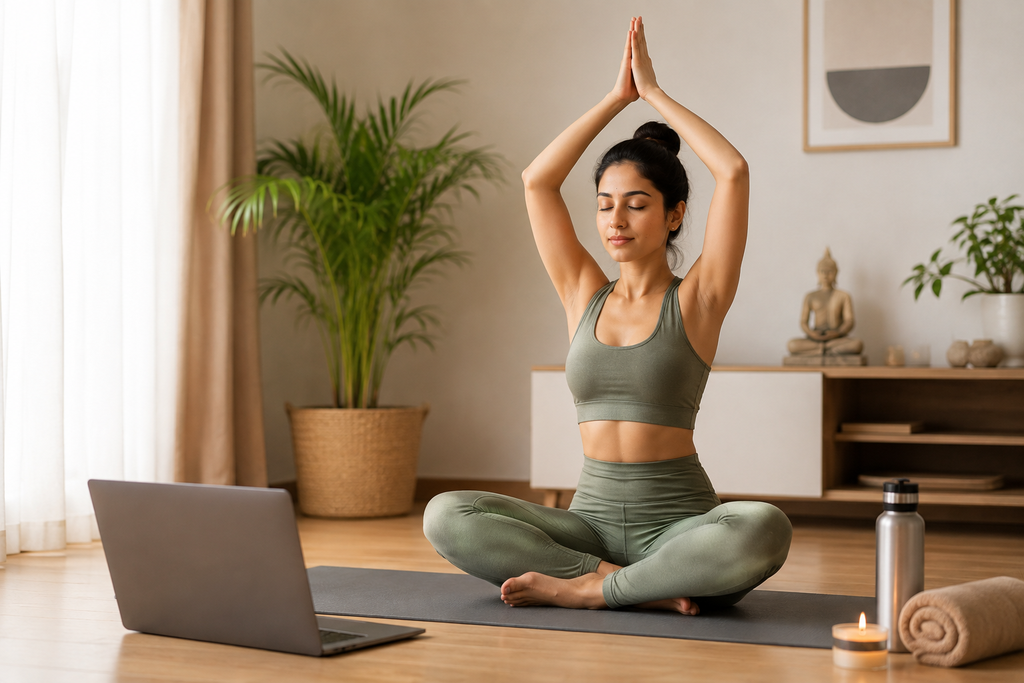
Breathing is an important part of yoga. Instead of treating breathing as something separate from exercise, yoga encourages practitioners to coordinate breath with movement.
Slow, controlled breathing can help you remain focused during practice. Beginners can simply start by breathing naturally through the nose and paying attention to each inhale and exhale.
Breathing should not feel forced. If a pose makes it difficult to breathe comfortably, reduce the intensity or come out of the pose.
With regular practice, you may become more aware of how your breathing changes during physical activity and stressful situations.
Yoga and Mindfulness
Yoga is not only about physical poses. Mindfulness is another important part of the practice.
During yoga, you are encouraged to pay attention to your breathing, body position, and present movement instead of constantly thinking about the past or future.
This awareness can make your practice more meaningful. Even a short session can provide an opportunity to step away from screens, work, and daily distractions.
Adding a few minutes of quiet breathing or relaxation at the end of a yoga session can also help create a peaceful transition back into your daily routine.
How Often Should Beginners Practice Yoga?
Beginners do not need to practice for a long time every day. A realistic routine is often easier to maintain than an ambitious schedule that becomes difficult to follow.
You can start with around 15 to 30 minutes several times a week. As you become more comfortable, you can gradually increase the duration.
Consistency matters more than perfection. Missing one session does not mean you have failed. Simply return to your routine when you can.
Some people prefer practicing in the morning, while others find evening sessions more convenient. Choose a time that fits naturally into your lifestyle.
How to Create a Simple Yoga Routine
A beginner-friendly routine can include a few minutes of gentle warm-up movements, several basic poses, breathing exercises, and relaxation.
Start with movements that prepare your body. Cat-Cow, shoulder movements, gentle twists, and comfortable standing stretches can work well as a warm-up.
Next, include a few standing and seated poses. You might combine Mountain Pose, Warrior II, Child’s Pose, Bridge Pose, and a gentle seated stretch.
Finish your session with slow breathing and relaxation. This gives your body a chance to settle down after movement.
If you are following guided sessions, choose routines that clearly explain pose alignment and modifications. A structured online fitness class can also help beginners stay motivated and follow a planned sequence.
Tips for Practicing Yoga Safely
Beginners should avoid comparing their practice with advanced practitioners. Everyone has a different body, flexibility level, and starting point.
Never force a pose simply because you cannot reach the position shown in a video or class. A smaller range of motion is completely acceptable when you are learning.
Use a stable, comfortable surface and wear clothing that allows you to move freely. Keep enough space around you so that you can extend your arms and legs safely.
Pay attention to discomfort. A mild stretching sensation can be normal, but sharp or sudden pain is a reason to stop and reassess the movement.
If you have an existing injury, medical condition, or specific physical limitation, consider getting professional guidance before beginning a new exercise routine.
Common Mistakes Beginners Should Avoid
One common mistake is trying to master advanced poses too quickly. Yoga is a gradual practice, and progress takes time.
Another mistake is holding the breath during difficult poses. Remember to keep your breathing steady and comfortable.
Skipping warm-up movements can also make a session feel unnecessarily difficult. Gentle preparation can help your body transition into the practice.
Beginners sometimes focus too much on how a pose looks rather than how it feels and whether it is performed with control. Good technique and body awareness are more important than achieving a picture-perfect position.
Finally, avoid turning yoga into a competition. Your progress should be measured against your own previous practice rather than someone else’s abilities.
Yoga at Home for Beginners
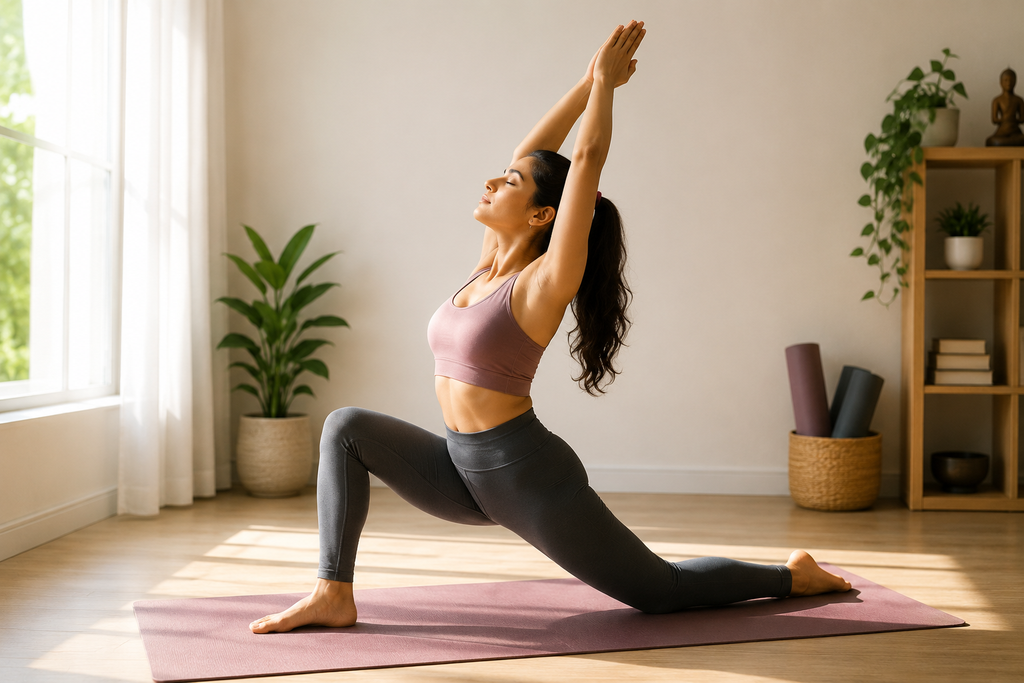
One of the advantages of yoga is that it can be practiced in a relatively small space. You do not necessarily need an elaborate setup to begin.
A yoga mat can provide a comfortable and stable surface, while comfortable clothing can make movement easier. Beginners can use online videos or guided classes to learn basic sequences.
When practicing at home, choose a quiet space where you can concentrate. Keep your phone and other distractions away if possible.
Starting with short sessions can also make the habit easier to maintain. Once yoga becomes part of your routine, you can gradually explore different styles and longer practices.
How to Stay Consistent With Yoga
Building a consistent yoga habit is often easier when you keep your goals realistic. Instead of deciding to practice for an hour every day immediately, start with a schedule you know you can maintain.
Set a regular practice time and treat it as part of your routine. You can also keep a simple record of your sessions to notice your progress.
Try different styles to discover what you enjoy. Some days you may prefer an active flow, while on other days a gentle or restorative practice may feel more appropriate.
Remember that progress in yoga is not only about touching your toes or performing difficult poses. Improved body awareness, better movement control, greater confidence, and a stronger connection between breathing and movement are also meaningful forms of progress.
Final Thoughts
Yoga offers a flexible approach to movement, fitness, relaxation, and mindfulness. Beginners can start with simple poses, comfortable breathing exercises, and short sessions before gradually developing a more complete practice.
There is no single correct way to practice yoga. Different styles can support different goals, and your ideal routine may change over time.
The most important step is simply to begin at a comfortable level and remain consistent. Focus on learning the fundamentals, listening to your body, and enjoying the process. With patience and regular practice, yoga can become a sustainable part of a healthy and balanced lifestyle.