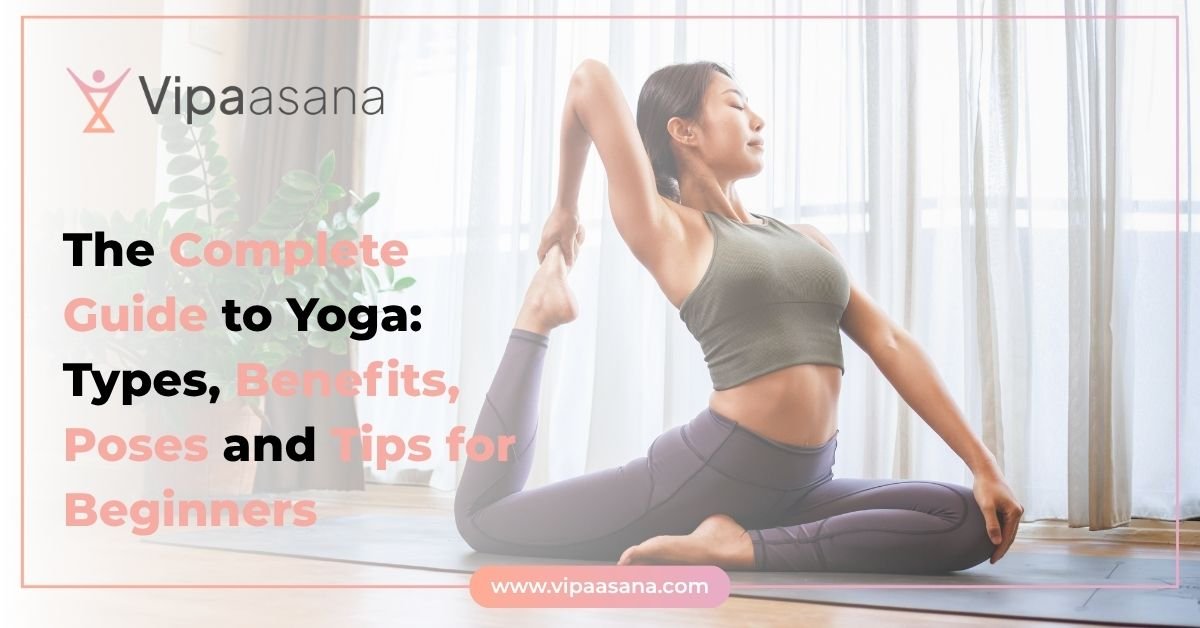
Yoga has become a popular part of modern wellness routines because it combines physical movement, breathing, balance, flexibility, and mindfulness. While many people associate yoga with advanced poses and impressive flexibility, the practice is much more accessible than it may appear.
You do not need to be flexible, athletic, or experienced to begin yoga. Beginners can start with simple poses, gentle movements, and short sessions before gradually progressing to more challenging practices.
Yoga can be practiced at home, in a studio, outdoors, or through guided online sessions. The most important part is finding a routine that matches your fitness level, lifestyle, comfort, and personal goals.
This complete guide explains the different types of yoga, their potential benefits, beginner-friendly poses, and practical tips to help you build a consistent yoga practice.
What Is Yoga?
Yoga is a practice that brings together physical postures, breathing techniques, concentration, mindfulness, and relaxation. It originated in ancient India and has developed into many different styles and approaches.
The physical aspect of yoga includes poses known as asanas. These movements can involve stretching, strengthening, balancing, and controlled transitions.
Breathing practices, often called pranayama, can help practitioners develop greater awareness of their breath. Meditation and relaxation may also be included in a yoga session.
For beginners, yoga should not be viewed as a competition. Every person’s flexibility, strength, balance, and mobility are different. The goal is to develop a better connection with your body and gradually improve through consistent practice.
Different Types of Yoga
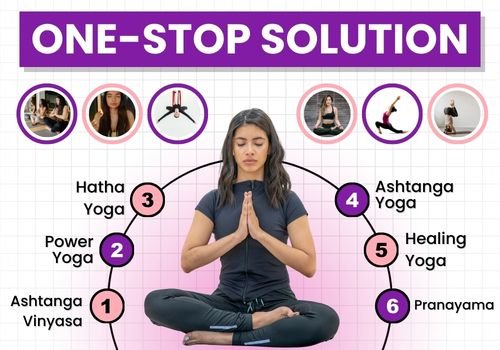
There are many styles of yoga, and each one can offer a different experience. Understanding the basic differences can help beginners choose a practice that suits their needs.
Hatha Yoga is often associated with a slower pace and focus on individual postures. It can be a comfortable starting point for people who want to learn basic yoga movements.
Vinyasa Yoga connects movement with breathing and generally involves flowing from one pose to another. It can be more dynamic than slower forms of yoga.
Yin Yoga involves longer-held, generally passive poses and focuses on gentle stretching and stillness. It may appeal to people looking for a slower practice.
Restorative Yoga uses supported and comfortable postures with an emphasis on relaxation. Props such as cushions, blankets, and bolsters may be used.
Power Yoga is generally more physically demanding and may involve stronger poses and faster transitions. Beginners may want to develop basic strength and movement awareness before attempting more challenging sessions.
Prenatal Yoga is designed specifically for pregnancy and should be practiced under appropriate professional guidance. Not every yoga pose is suitable during pregnancy, so individualized modifications are important.
The best style depends on your experience, physical condition, schedule, and goals. You can also explore different styles instead of limiting yourself to one type.
Benefits of Regular Yoga Practice
Yoga can support several aspects of physical and mental wellness when practiced consistently and appropriately.
One of the most commonly noticed benefits is improved flexibility. Regular stretching and controlled movement can gradually make certain movements feel more comfortable.
Yoga can also help develop strength. Many poses require you to support and stabilize your body weight, engaging muscles in the legs, arms, shoulders, abdomen, and back.
Balance is another important part of yoga. Standing poses and balance exercises encourage body awareness and coordination.
Yoga can also support posture. Practicing movements that involve spinal mobility, core engagement, and alignment can help you become more aware of how you hold and move your body.
Breathing and relaxation practices may also make yoga a useful part of a stress-management routine. A quiet yoga session provides time away from everyday distractions and encourages you to focus on the present moment.
It is important to remember that yoga is not a replacement for medical treatment or professional healthcare. Its benefits can vary from person to person, and it works best as part of a broader healthy lifestyle.
Best Yoga Poses for Beginners
Beginners do not need to learn dozens of poses at once. Starting with a small number of basic postures can help you develop confidence and understand fundamental movements.
Mountain Pose is a simple standing posture that encourages awareness of alignment, balance, and breathing. Stand comfortably with your feet grounded, keep your spine naturally upright, and relax your shoulders.
Child’s Pose is commonly used as a resting position. It can be included between more active movements and can be modified with a cushion or blanket for additional comfort.
Cat-Cow is a gentle movement performed on the hands and knees. Slowly alternate between rounding and extending the spine while coordinating the movement with your breathing.
Downward-Facing Dog is a well-known yoga pose that involves the arms, shoulders, back, and legs. Beginners do not need to force their heels toward the floor or completely straighten their legs.
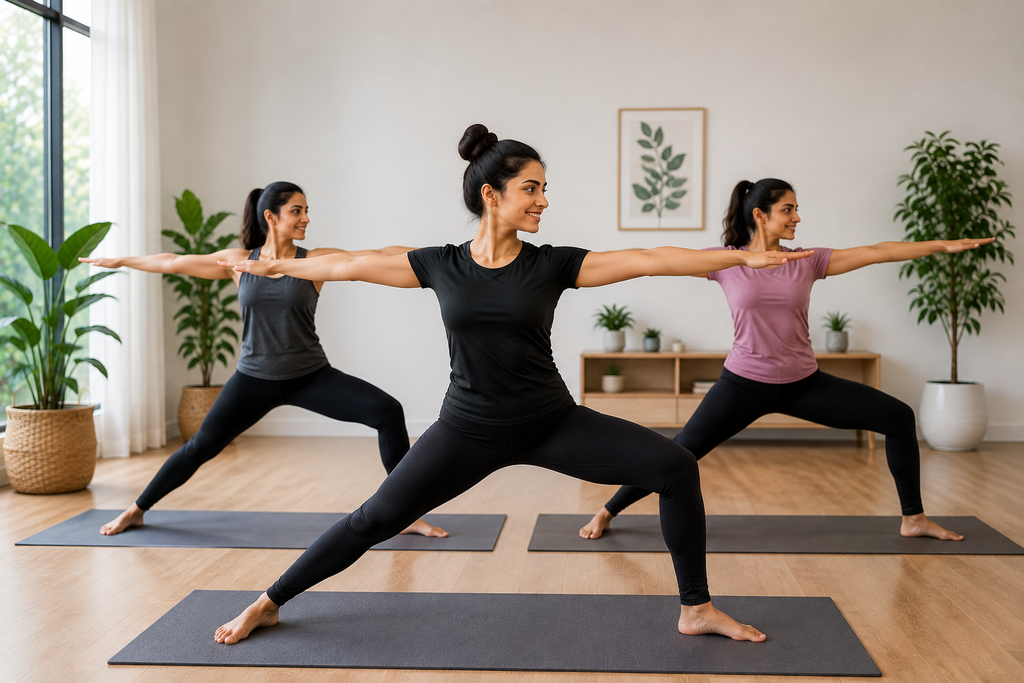
Warrior II is a standing posture that can strengthen and stabilize the legs while encouraging concentration and balance. It can be modified according to your comfort.
Tree Pose introduces balance practice. Stand on one leg and place the other foot at a comfortable position on the supporting leg. Beginners can use a wall for support.
Bridge Pose is performed while lying on the back with the knees bent. Lifting the hips in a controlled manner can engage the legs and hips while encouraging awareness of spinal movement.
Savasana, or Corpse Pose, is generally practiced at the end of a yoga session. Lie comfortably on your back and allow your body to relax while maintaining natural breathing.
Yoga for Flexibility and Mobility
Flexibility is not a requirement for yoga. In fact, many beginners start yoga because they want to improve their flexibility.
Regular practice can expose your body to controlled ranges of motion involving the hips, shoulders, spine, hamstrings, and legs.
Mobility and flexibility are related but not exactly the same. Flexibility generally refers to the available range of motion, while mobility involves the ability to actively control movement through that range.
Yoga can include both stretching and controlled movement, making it useful for developing greater body awareness.
However, never force a stretch. Progress should be gradual. A comfortable range of motion is more important than trying to imitate an advanced practitioner.
Yoga for Strength and Balance
Yoga can be surprisingly challenging from a strength perspective.
Poses such as Plank, Chair Pose, Warrior variations, and Boat Pose require different muscles to work together to maintain stability.
Standing poses can engage the lower body, while weight-bearing positions can challenge the upper body and shoulders.
Balance poses also require concentration and coordination. If you find balancing difficult, begin near a wall or another stable support.
Strength and balance can improve gradually through regular practice. There is no need to rush into advanced poses.
Yoga and Mindfulness
One of the unique aspects of yoga is its emphasis on awareness.
During a yoga session, you are encouraged to notice your breathing, body position, muscle engagement, and overall sensations.
This can help shift attention away from external distractions and toward the present moment.
Simple breathing exercises can also be included before or after physical practice. Beginners can start by observing their natural breathing without trying to change it.
Over time, yoga can become an opportunity to create a short period of focused movement and relaxation within a busy day.
Yoga for Women
Yoga can be adapted to suit women at different stages of life and with different fitness goals.
Women may practice yoga to improve flexibility, build strength, support mobility, develop balance, or simply create time for relaxation.
For women with busy schedules, home-based practice can be particularly convenient. A structured online yoga for women program can provide guided sessions that fit around work, family responsibilities, and other daily commitments.
The practice can also be modified according to experience and comfort. Beginners may start with gentle sessions, while more experienced practitioners can gradually explore stronger or more dynamic styles.
During pregnancy, postpartum recovery, or when dealing with a specific health concern, individualized guidance is especially important. Women should consult an appropriate healthcare professional and work with a suitably qualified instructor when necessary.
How to Start Yoga at Home
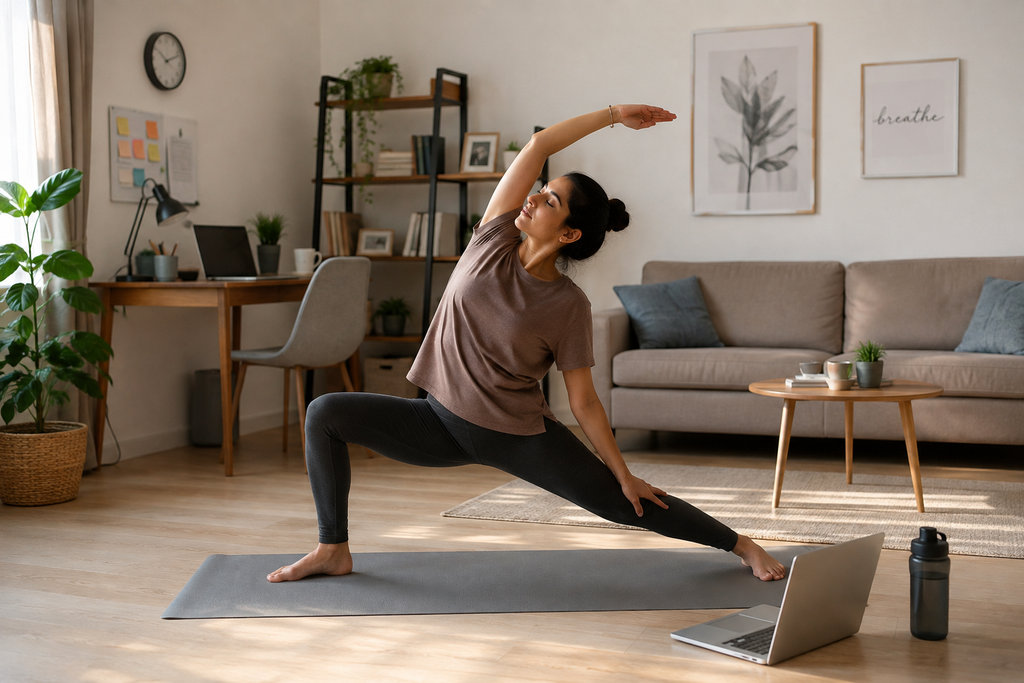
One of the easiest ways to begin yoga is by creating a small practice area at home.
You do not need a large room. You simply need enough space to extend your arms and legs safely.
A basic yoga setup may include a mat, comfortable clothing, and optional props such as blocks, straps, blankets, or cushions.
Start with short sessions. Fifteen to twenty minutes can be enough when you are learning the basics.
Try to choose a regular time of day. Morning, afternoon, or evening can all work depending on your schedule.
Guided classes can also be helpful because an instructor can demonstrate the sequence and explain how to move between poses.
How Often Should Beginners Practice Yoga?
There is no single practice schedule that works for everyone.
A beginner might start with two or three sessions per week and gradually increase the frequency as the body becomes more comfortable.
Some people prefer short daily sessions, while others enjoy longer practices several times a week.
Consistency is generally more important than trying to do too much at once.
For example, practicing for 15 minutes four times a week may be more sustainable than attempting a one-hour session once and then stopping for several weeks.
As your experience grows, you can adjust your practice based on your goals.
Common Mistakes Beginners Should Avoid
One of the most common mistakes is comparing yourself with experienced yoga practitioners.
Yoga is not about achieving the deepest stretch or most advanced pose. Your body may require more time to develop flexibility and strength.
Another mistake is forcing the body into uncomfortable positions. Stretching should be controlled and appropriate for your current ability.
Holding your breath is another habit to avoid. Try to maintain comfortable, natural breathing during physical practice.
Beginners should also avoid doing too much too soon. Advanced poses and demanding sequences can be introduced gradually after you develop a foundation.
Finally, do not ignore rest. Recovery and relaxation are important parts of a balanced yoga routine.
Tips for Building a Consistent Yoga Routine
Creating a realistic routine can make it easier to continue practicing.
Choose a convenient time and keep your yoga equipment easily accessible. If possible, practice in the same location so that yoga becomes associated with that space.
Set achievable goals. Instead of focusing immediately on difficult poses, aim to establish a regular practice.
You can also keep your sessions varied. One day might focus on flexibility, another on strength, and another on gentle relaxation.
Tracking your sessions can help you notice gradual changes in your flexibility, balance, strength, and confidence.
Most importantly, make your practice enjoyable. If you find a style or instructor that you genuinely like, you are more likely to continue.
Yoga Safety Tips for Beginners
Yoga can be adapted for many people, but beginners should still practice with care.
Warm up before more demanding movements and avoid sudden or uncontrolled transitions.
If a pose causes sharp pain or significant discomfort, stop the movement rather than trying to push through it.
People with injuries, persistent pain, medical conditions, or other physical concerns should seek appropriate professional advice before beginning a new exercise routine.
Pregnant women should choose pregnancy-appropriate yoga guidance and avoid poses that have not been cleared for their stage of pregnancy.
Learning from a qualified instructor can also help you understand proper alignment and suitable modifications.
Choosing the Right Yoga Program
With so many yoga videos and programs available, choosing the right one can sometimes feel overwhelming.
Beginners should look for clear instructions, appropriate class difficulty, qualified teaching, manageable session lengths, and modifications for different ability levels.
If you prefer practicing from home, an online yoga for women program can provide structured classes without requiring travel to a studio.
You can also consider whether the program focuses on your specific goals, such as flexibility, strength, relaxation, mobility, beginner yoga, or general wellness.
The most suitable program is not necessarily the most difficult one. It is the one that you can practice safely and consistently while making gradual progress.
Yoga as Part of a Healthy Lifestyle
Yoga can be an important part of a healthy lifestyle, but it works best alongside other positive habits.
Regular walking or other physical activities can complement yoga. A balanced diet can provide the nutrients needed to support an active lifestyle, while adequate sleep can support recovery.
Taking regular breaks from prolonged sitting can also be helpful, particularly if you work at a desk.
Remember that wellness is not about following a perfect routine every day. It is about developing sustainable habits that support your overall quality of life.
Final Thoughts
Yoga is an accessible and adaptable practice that can benefit beginners as well as experienced practitioners. It combines movement, flexibility, strength, balance, breathing, mindfulness, and relaxation in a single practice.
You do not need to be flexible before starting. You can begin with simple poses, short sessions, and basic breathing exercises and gradually build your skills.
Explore different yoga styles to discover what works best for your body and lifestyle. Practice consistently, avoid comparing yourself with others, and respect your body’s limits.
Whether you practice at home, attend studio classes, or follow guided online sessions, the most important goal is to create a sustainable routine that you enjoy.
Start slowly, remain patient, and allow your yoga practice to develop naturally. With consistency and appropriate guidance, yoga can become a valuable part of your journey toward greater physical awareness, movement, and overall wellness.