Introduction
Pregnancy is a special journey that brings physical, emotional, and lifestyle changes. While it can be an exciting time, it may also involve tiredness, stress, mood changes, sleep difficulties, and physical discomfort. Taking time to relax can help expectant mothers feel more comfortable, connected to their bodies, and prepared for the changes ahead.
Relaxation does not have to involve expensive treatments or complicated routines. Simple activities such as gentle walking, listening to music, reading, practising mindful breathing, and spending time with loved ones can become valuable parts of everyday life.
However, every pregnancy is different. An activity that feels comfortable for one person may not be suitable for another, particularly when there are pregnancy complications or specific medical restrictions. It is important to follow your healthcare professional’s advice before beginning a new exercise routine or relaxation programme.
In this article, we will explore relaxing activities during pregnancy, their potential benefits, and practical ways to include them in your daily routine safely.
Why Is Relaxation Important During Pregnancy?
Pregnancy can affect both physical comfort and emotional well-being. Hormonal changes, changing sleep patterns, physical discomfort, and concerns about childbirth or parenting may sometimes feel overwhelming.
Making time for relaxation can help you slow down and pay attention to your needs. Activities such as gentle movement, meditation, and enjoyable hobbies may support emotional well-being and provide a healthy break from daily responsibilities.
Relaxation can also encourage healthier daily habits. For example, taking a quiet break may help you recognise when you are tired, while a calming bedtime routine can make it easier to prepare for sleep.
It is important to remember that relaxation is not a solution for every pregnancy-related concern. Persistent anxiety, low mood, severe sleep problems, or overwhelming stress deserve attention from a qualified healthcare professional.
1. Practise Gentle Prenatal Yoga
Prenatal yoga is a popular relaxation activity that combines gentle movement, comfortable stretching, breathing awareness, and relaxation techniques. A pregnancy-specific class can help participants explore movements that accommodate their changing bodies.
Depending on your comfort and medical guidance, prenatal yoga may help maintain mobility, improve body awareness, and provide an opportunity to slow down. Some gentle movements may also help ease everyday muscular tension.
Beginners should choose classes specifically designed for pregnancy rather than following a general yoga routine without modifications. Avoid poses that cause pain, dizziness, excessive strain, or discomfort.
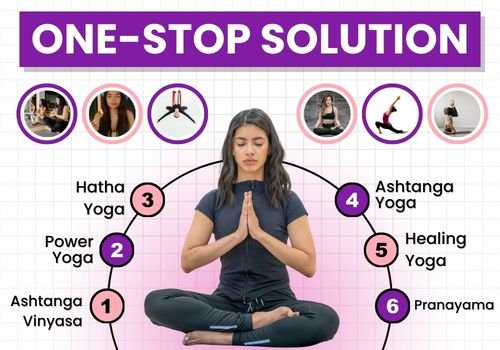
If you are exploring the Best Online Yoga options, look for qualified instructors with prenatal yoga training. Choose sessions that explain modifications, encourage you to move at your own pace, and advise you to consult your healthcare professional when necessary.
Before beginning prenatal yoga, ask your maternity care provider whether it is appropriate for your pregnancy, especially if you have complications or have been advised to limit physical activity.
2. Try Mindful Breathing Exercises
Mindful breathing is a simple activity that can be practised while sitting comfortably, resting on your side, or taking a quiet break.
Start by noticing your natural breathing pattern. Allow your shoulders to relax and breathe gently without forcing your breath or holding it for long periods. Pay attention to the sensation of breathing in and out.
You can try this practice for three to five minutes and gradually adjust the duration according to your comfort.
Mindful breathing may help you pause during a stressful day, improve awareness of physical tension, and create a calming routine. Some people also find it useful when preparing for sleep.
Avoid forceful breathing techniques, rapid breathing exercises, or prolonged breath retention unless specifically recommended by a qualified professional familiar with your pregnancy.
3. Take Gentle Walks
Walking can be a relaxing way to enjoy fresh air and maintain everyday movement during pregnancy. It can also offer a change of scenery and a break from screens or household responsibilities.
If your healthcare professional confirms that walking is appropriate, begin with a comfortable pace and a duration that suits your fitness level. A short walk around your neighbourhood, garden, or another safe location may be enough.
Wear supportive footwear, choose a route with suitable surfaces, and carry water. Avoid extreme heat and take breaks whenever needed.
You do not need to walk a certain distance or maintain a particular speed to benefit from the experience. The goal is to move comfortably rather than push yourself.
If walking causes pain, unusual breathlessness, dizziness, bleeding, fluid leakage, or other concerning symptoms, stop and seek appropriate medical advice.
4. Listen to Calming Music
Music can be an easy and enjoyable way to create a peaceful atmosphere at home. Soft instrumental music, nature sounds, devotional music, or your favourite relaxing songs may help you unwind.
You can listen while resting, reading, doing gentle stretches, or preparing for bedtime. Choose music that makes you feel comfortable rather than following a particular trend or playlist.
Some expectant parents also enjoy singing or listening to familiar songs with their partners. These small activities can become meaningful moments of connection.
There is no single type of music that works for everyone. Experiment with different sounds and choose what feels soothing to you.
5. Enjoy Reading and Other Quiet Hobbies
Pregnancy can be a good opportunity to make time for hobbies that help you relax. Reading, drawing, knitting, journaling, puzzles, and simple crafts can offer a pleasant break from daily demands.
Choose an activity you genuinely enjoy. You do not need to finish a book, complete a project, or achieve a particular result for the activity to be worthwhile.
If you spend a lot of time sitting, change positions regularly and take short breaks to avoid stiffness. Use supportive cushions if needed.
You can also keep a pregnancy journal to record your thoughts, questions, hopes, and memorable moments. Writing may help you organise your feelings and identify concerns that you would like to discuss with your healthcare provider.
6. Take Warm, Comfortable Showers
A comfortable shower can be a simple way to relax after a busy day. Warm water may help you feel refreshed and ease ordinary muscular tension.
Keep the water comfortably warm rather than hot. Avoid very hot baths, hot tubs, and activities that could cause overheating, particularly during pregnancy.
Use a non-slip mat if necessary and take care when getting in or out of the shower, as balance may change as pregnancy progresses.
If you feel faint, overheated, or unwell, leave the warm environment and seek medical advice if symptoms persist or are concerning.
7. Practise Prenatal Meditation
Meditation involves giving your attention to a chosen focus, such as your breathing, a calming sound, or the sensations in your body.
To begin, sit in a supported position or rest comfortably on your side. Close your eyes if that feels comfortable, breathe naturally, and gently bring your attention back whenever your mind wanders.
Start with five minutes rather than expecting yourself to meditate for a long period. You can gradually increase the duration if you enjoy the practice.
Some people prefer guided meditation recordings, while others enjoy practising in silence. Meditation may help create a sense of calm and give you a regular opportunity to pause.
If meditation brings up uncomfortable emotions or increases anxiety, stop and try another activity. You can also seek guidance from a mental health professional.
8. Spend Quality Time With Loved Ones
Emotional support can make a meaningful difference during pregnancy. Spending time with your partner, family members, or trusted friends may help you feel understood and less alone.
Consider sharing a meal, taking a gentle walk together, watching a favourite film, or simply talking about your day.
You may also find it helpful to discuss practical preparations for the baby, including appointments, household responsibilities, and plans for support after delivery.
Not every conversation needs to focus on pregnancy. Enjoying ordinary activities and talking about other interests can provide a welcome mental break.
If you feel isolated or overwhelmed, consider telling someone you trust how you are feeling. Professional counselling may also help if emotional concerns persist.
9. Try Gentle Stretching
Gentle stretching can help you pay attention to your body and may reduce ordinary feelings of stiffness. During pregnancy, however, your joints and connective tissues may become more flexible, so stretching should be especially gentle.
Choose comfortable movements that do not require deep twists, forceful bending, or balancing beyond your ability. Avoid bouncing or pushing a stretch to its maximum.
You may find it helpful to move your shoulders slowly, gently rotate your ankles, or stretch your hands and wrists after sitting for a while.
Do not compare your range of motion with your pre-pregnancy flexibility. Stop if a movement causes pain, pressure, dizziness, or discomfort.
If you have pelvic pain, back pain, or another condition affecting movement, ask your maternity care provider or a pregnancy-trained physiotherapist for appropriate guidance.
10. Create a Relaxing Bedtime Routine
Sleep can become more difficult as pregnancy progresses because of physical discomfort, frequent bathroom visits, or changing sleep patterns. A calming bedtime routine may help signal that it is time to rest.
Try going to bed at a consistent time, dimming bright lights, and reducing stimulating screen use before sleeping. Reading, gentle breathing, or listening to quiet music may help you unwind.
Make your sleeping area comfortable and consider using pillows to support your back, abdomen, or legs. As pregnancy progresses, many healthcare professionals recommend settling to sleep on your side. Ask your maternity care provider for advice tailored to your stage of pregnancy.
Avoid using sleep medicines, herbal remedies, or supplements without checking with your healthcare professional first.
If sleep difficulties are persistent or seriously affect your daily life, discuss them with your care provider.
11. Enjoy Creative Activities and Journaling
Creative activities can offer a relaxing way to express yourself during pregnancy. You might paint, make a scrapbook, write letters to your future baby, organise photographs, or create a list of things you look forward to.
These activities can provide a break from worries and allow you to focus on something enjoyable.
You can also use a journal to note your mood, energy levels, sleep patterns, and questions for upcoming appointments. This information may help you recognise patterns and communicate your concerns more clearly with your healthcare provider.
Keep the activity simple and enjoyable. Avoid turning a hobby into another task that makes you feel pressured or guilty.
12. Practise Simple Self-Care
Self-care during pregnancy means paying attention to your physical and emotional needs. It does not need to involve expensive products or elaborate routines.
You might set aside time for a quiet cup of a pregnancy-safe drink, prepare a balanced meal, wear comfortable clothing, take a break from social media, or ask someone to help with household tasks.
Eating regular, balanced meals and drinking enough water can also help you feel more comfortable throughout the day.
If you are considering massage, choose a qualified professional experienced in prenatal care and check with your healthcare provider if you have medical concerns. Avoid treatments involving excessive heat or unverified products.
Remember that rest is a valid part of self-care. You do not have to remain productive every moment of the day.
13. Spend Time Outdoors in a Peaceful Environment
A little time in a quiet outdoor space can provide a refreshing change from indoor routines. You might sit in a garden, enjoy a shaded balcony, watch the trees, or listen to birds.
You do not need to exercise to enjoy time outside. Simply sitting comfortably and noticing your surroundings can become a mindfulness activity.
Choose a safe location with comfortable seating and access to water. Avoid excessive heat, poor air quality, and places where walking surfaces are uneven or slippery.
If outdoor activities are uncomfortable or unsuitable, you can recreate a peaceful atmosphere indoors with natural light, plants, or relaxing nature sounds.
14. Join a Pregnancy Support Group
Connecting with other expectant parents may provide emotional support and opportunities to exchange experiences. A support group can also be a place to discuss common questions about preparing for childbirth and adjusting to parenthood.
Look for groups led by qualified healthcare professionals or established community organisations when you want educational information. Online groups can be convenient, but personal stories and advice shared by other members should not replace medical guidance.
Choose a supportive environment where people respect different pregnancy experiences and avoid making you feel anxious about your own journey.
If a group increases your worries or promotes unsafe practices, it is reasonable to leave and look for a more suitable source of support.
How to Build a Simple Relaxation Routine During Pregnancy
You do not need to try every activity each day. A realistic routine can include a few short activities that fit your energy level, preferences, and medical guidance.
For example, you could structure a comfortable day as follows:
- Morning: Spend five minutes practising gentle breathing, followed by a short walk if approved by your healthcare provider.
- Afternoon: Take a break to read, listen to music, or enjoy a quiet hobby.
- Evening: Spend time with loved ones or practise a pregnancy-appropriate relaxation exercise.
- Before bed: Reduce screen time, make yourself comfortable, and follow a calming bedtime routine.
Treat this schedule as an example rather than a requirement. Some days you may have more energy, while on other days you may need additional rest.
Consistency can be helpful, but flexibility is equally important. Adjust your activities according to how you feel and the advice of your maternity care provider.
Important Safety Tips for Relaxing Activities During Pregnancy
Relaxation should make you feel more comfortable, not put unnecessary pressure on your body. Keep these safety points in mind:
- Consult your healthcare provider before starting a new exercise routine, especially if your pregnancy is considered high-risk.
- Choose pregnancy-appropriate yoga, stretching, and movement sessions.
- Avoid overheating, hot tubs, and very hot baths.
- Do not force stretches or hold uncomfortable positions.
- Stay hydrated and take breaks when needed.
- Avoid activities with a significant risk of falling or abdominal injury.
- Check with your healthcare professional before using herbal remedies, essential oils, supplements, or sleep aids.
Stop exercising and seek prompt medical advice if you experience vaginal bleeding, fluid leakage, chest pain, faintness, severe shortness of breath, painful contractions, or calf pain or swelling. For severe or urgent symptoms, seek emergency medical care.
Frequently Asked Questions
1. What is the most relaxing activity during pregnancy?
The best activity depends on your preferences and health. Gentle breathing, prenatal yoga, reading, calming music, and comfortable walks are options that many people enjoy when they are suitable for their pregnancy.
2. Is yoga safe during pregnancy?
Pregnancy-appropriate yoga may be suitable for many expectant mothers, but individual circumstances matter. Ask your healthcare provider before beginning, and choose a qualified prenatal yoga instructor who can explain safe modifications.
3. Can I meditate every day while pregnant?
Many people find gentle meditation comfortable as a daily practice. Start with a few minutes and adjust according to your needs. If meditation increases distress or anxiety, stop and seek guidance.
4. How much time should I spend relaxing each day?
There is no single amount that suits everyone. Short breaks throughout the day can be helpful. Balance relaxation with sleep, nutrition, suitable movement, and any medical recommendations you have received.
5. Can relaxing activities help me sleep better during pregnancy?
A consistent bedtime routine, gentle breathing, comfortable positioning, and quiet activities may help you prepare for sleep. Persistent insomnia or severe sleep disruption should be discussed with your healthcare provider.
6. What should I avoid while relaxing during pregnancy?
Avoid overheating, forceful exercise, uncomfortable stretches, and activities with a high risk of falling. Check with your healthcare provider before using medicines, supplements, or treatments intended to promote relaxation.
Conclusion
Relaxing activities can help make pregnancy feel more manageable by creating opportunities for rest, enjoyment, and emotional support. Gentle prenatal yoga, mindful breathing, music, reading, comfortable walks, meditation, and time with loved ones are simple ways to take care of yourself.
The most important thing is to choose activities that feel comfortable and suit your individual needs. You do not need a complicated schedule or a long list of tasks to enjoy the benefits of relaxation.
Listen to your body, rest when you need to, and seek professional advice whenever you are unsure about an activity. With a flexible routine and appropriate support, you can make relaxation a meaningful part of your pregnancy journey.