
Getting fit does not require choosing between exercising at home and going to the gym. Both options offer valuable benefits, and combining them can help you build a balanced fitness routine that fits your schedule, goals, and budget. Home workouts provide convenience and flexibility, while gym workouts offer access to specialized equipment, heavier weights, and opportunities for professional guidance.
Whether your goal is to lose body fat, build muscle, improve stamina, increase flexibility, or maintain a healthy lifestyle, the key is to develop a consistent exercise routine. You do not need to train intensely every day or follow complicated workout plans. Instead, focus on regular physical activity, balanced nutrition, adequate sleep, and gradual improvements.
A combination of home and gym workouts can be particularly helpful for people with busy schedules. You can visit the gym when you have enough time for strength training and exercise at home on days when traveling is difficult.
In this article, we will explore how to get fit using both home and gym workouts, how to organize your weekly routine, and which habits can help you achieve sustainable results.
Understand Your Fitness Goals Before Starting
Before creating a workout plan, identify what you want to achieve. Having clear goals helps you choose appropriate exercises and measure your progress over time.
Some people want to lose body fat, while others want to build muscle, improve cardiovascular fitness, or increase flexibility. You may also have several goals at once, such as improving strength while developing better stamina.
If your primary goal is weight management, combine cardiovascular exercise with strength training and balanced eating habits. If you want to build muscle, prioritize resistance training and gradually increase the challenge of your exercises. For flexibility and mobility, incorporate stretching and suitable yoga sessions.
It is also important to consider your current fitness level. Beginners should start with manageable workouts rather than immediately following advanced training programs.
Set small, realistic targets, such as completing three workouts per week, walking more frequently, or learning correct exercise techniques. As these habits become easier, you can gradually increase your activity.
Your fitness plan should also reflect your available time, physical abilities, and recovery needs. If you have a medical condition, an injury, or specific exercise restrictions, consult a qualified healthcare professional before beginning a new routine.
Benefits of Combining Home and Gym Workouts
Using both home and gym workouts can make your fitness routine more flexible and practical.
One of the biggest benefits is convenience. You can exercise at home when your schedule is busy and visit the gym when you want access to equipment or more structured training.
Home workouts also reduce travel time and can be performed in a small space. Exercises such as squats, lunges, wall push-ups, glute bridges, and planks can help improve strength without requiring expensive equipment.
Gyms provide additional options, including dumbbells, barbells, cable machines, resistance machines, treadmills, and stationary bicycles. These tools can make it easier to train specific muscle groups and progressively increase resistance.
Combining both environments can also prevent your routine from becoming repetitive. You might perform strength training at the gym, follow a dance workout at home, and practice gentle stretching on another day.
Another advantage is adaptability. If you cannot attend the gym because of work, family responsibilities, or travel, you can still maintain your exercise habit at home.
Ultimately, the best approach is one that makes regular movement easier to maintain. Consistency matters more than where you exercise.
How to Create an Effective Home Workout Routine
Home workouts can improve strength, endurance, coordination, and general fitness when performed consistently. You can begin with bodyweight exercises and add simple equipment as your abilities improve.
Start each session with a five-minute warm-up. March in place, move your arms gently, perform easy step movements, and gradually increase your activity level.
A beginner-friendly full-body workout might include squats, wall push-ups, glute bridges, standing knee raises, and modified planks. Perform a manageable number of repetitions for each exercise, resting between sets as needed.
For cardiovascular fitness, consider brisk walking, dancing, low-impact aerobics, or marching in place. Choose movements that match your current fitness level and avoid jumping exercises if they cause discomfort.
Resistance bands and light dumbbells can provide additional challenges without taking up much space. However, equipment is optional when you are just beginning.
You can also explore guided online workouts when you need demonstrations or a structured routine. Choose instructors who explain proper technique and provide modifications for beginners.
As your fitness improves, gradually increase repetitions, resistance, or workout duration. Avoid making every workout extremely difficult because recovery is an essential part of progress.
A practical home workout can last 15 to 30 minutes, depending on your goals and experience. Shorter sessions can still contribute to your overall activity, particularly when you perform them regularly.
How to Get Better Results From Gym Workouts
Gym workouts are useful for people who want to develop strength, build muscle, and improve overall physical performance. The equipment available at a gym allows you to train with different resistance levels and target particular muscle groups.
If you are a beginner, start by learning correct exercise techniques. A qualified trainer can help you understand equipment settings, choose suitable resistance, and develop a program that matches your goals.
A balanced gym routine may include exercises such as leg presses, chest presses, seated rows, lat pulldowns, dumbbell movements, and other resistance exercises appropriate for your abilities.
You do not need to train every muscle group intensely during every session. Many beginners benefit from full-body strength workouts performed two or three times per week, with adequate recovery between demanding sessions.
Choose a weight that allows you to complete the movement with control and good technique. When the exercise becomes consistently manageable, increase the resistance gradually.
Cardiovascular equipment can complement strength training. Treadmills, stationary bicycles, rowing machines, and elliptical trainers provide different ways to improve endurance.
Avoid comparing your performance with experienced gym members. Your starting point and progress will be different from theirs.
The purpose of gym training is to improve your own fitness safely and consistently, not to lift the heaviest weight or spend the longest time exercising.
Combine Strength Training and Cardio for Balanced Fitness
Strength training and cardiovascular exercise serve different purposes, which is why including both can make your routine more complete.
Strength training challenges your muscles and helps build or maintain muscle mass. Cardio improves your ability to sustain physical activity and supports cardiovascular health.
If your goal is general fitness, you might perform strength training on three days of the week and moderate cardio on two or three days. Some sessions can combine both activities, depending on your schedule and recovery.
For example, you could perform a full-body strength workout at the gym on Monday, a brisk walk or dance workout at home on Tuesday, and another strength session on Wednesday.
On Thursday, you might choose gentle mobility exercises or a comfortable walk. Friday could include another gym session, followed by enjoyable cardiovascular activity over the weekend.
Adjust the schedule to your current abilities. Beginners may need fewer sessions initially, while more experienced exercisers may tolerate additional training.
For general health, adults are commonly advised to work toward at least 150 minutes of moderate-intensity aerobic activity per week, alongside muscle-strengthening activities on at least two days. You can build toward these recommendations gradually.
Remember that fat loss cannot be targeted to one specific body area through individual exercises. Overall body-fat changes depend on several factors, including nutrition, activity, genetics, and consistency.
Include Yoga and Mobility Exercises in Your Routine
Fitness involves more than strength and cardiovascular endurance. Flexibility, balance, mobility, and relaxation can also contribute to a well-rounded exercise routine.
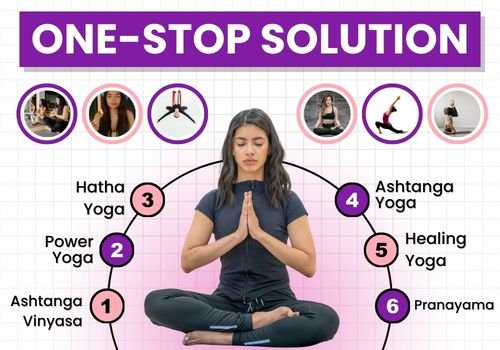
Yoga can help improve flexibility, body awareness, balance, and movement control. Depending on the style, it may also provide a gentle or moderately challenging physical workout.
You can practice simple movements at home, such as cat-cow, mountain pose, gentle seated stretches, and suitable standing balance exercises. Beginners should avoid forcing their bodies into uncomfortable positions.
People who prefer guided sessions can explore online yoga classes to learn movements and follow routines that suit their experience. Choose a qualified instructor who provides clear instructions and appropriate modifications.
Pregnant individuals may also be interested in Prenatal Yoga Online programs that focus on pregnancy-appropriate movement, breathing, and relaxation. Before participating, consult a healthcare professional about whether yoga is suitable for your pregnancy and choose an instructor trained in prenatal yoga. Avoid assuming that every general yoga pose is appropriate during pregnancy.
Mobility exercises can also be useful on rest days or after long periods of sitting. Gentle movement may help you feel more comfortable and maintain a regular exercise habit.
Yoga and stretching complement strength training and cardio, but they do not need to replace these activities when your goals require additional muscular or cardiovascular work.
Follow a Balanced Weekly Home and Gym Workout Plan
A weekly schedule can help you organize your workouts without making exercise feel overwhelming. The following example combines gym strength training with home cardio and recovery activities.
Monday – Gym strength training: Focus on major muscle groups using appropriate resistance exercises.
Tuesday – Home cardio: Complete a brisk walk, low-impact aerobic workout, or beginner dance session.
Wednesday – Gym strength training: Train the full body or follow a balanced program designed for your experience level.
Thursday – Home mobility and yoga: Practice gentle stretching, balance exercises, or a suitable guided yoga session.
Friday – Gym workout: Perform another strength session, adjusting the exercises and intensity according to your recovery.
Saturday – Outdoor or home activity: Enjoy walking, cycling, dancing, or another activity that keeps you moving.
Sunday – Rest and recovery: Take a rest day or perform gentle movement if it feels comfortable.
This is only an example, not a mandatory schedule. If you are new to exercise, start with two or three workout days and build gradually.
You can also switch gym days and home sessions depending on your work schedule. The goal is to create a routine that you can maintain over time.
Allow adequate recovery between challenging workouts, particularly when training the same muscle groups. If you experience unusual pain, dizziness, or other concerning symptoms, stop exercising and seek appropriate medical guidance.
Eat Balanced Meals to Support Your Fitness Goals
Exercise is important, but nutrition also plays a significant role in fitness progress. Your body needs sufficient energy and nutrients to support workouts, recovery, and everyday activities.
Build meals around a variety of foods, including vegetables, fruits, whole grains, protein sources, and healthy fats. Protein-rich foods such as eggs, lentils, beans, tofu, dairy products, fish, and lean meat can help support muscle repair and maintenance.
If your goal is to lose body fat, your overall eating pattern matters. A sustainable energy deficit may support fat loss, but extreme dieting and skipping meals are not necessary for most people.
If you want to build muscle, ensure that you eat enough to support your training and recovery. Your energy and nutritional needs will depend on your body, activity levels, and goals.
Stay hydrated throughout the day, especially when exercising in warm conditions or performing longer workouts. Drink water regularly and adjust your intake according to your needs.
Planning meals can also make healthy choices more convenient. Prepare simple ingredients in advance and keep nutritious snacks available when your schedule becomes busy.
Avoid expecting supplements, special drinks, or individual foods to replace balanced nutrition and consistent training. If you need personalized dietary guidance, consider consulting a registered dietitian.
Prioritize Sleep, Recovery, and Consistency
Recovery is an essential part of getting fit. Exercise places demands on your muscles and cardiovascular system, and your body needs time to adapt.
Most adults benefit from approximately seven to nine hours of sleep each night, although individual requirements vary. Maintaining a regular sleep schedule and creating a comfortable sleeping environment can help support recovery.
Rest days do not mean you must remain completely inactive. Walking, gentle stretching, and comfortable mobility exercises may be suitable when you want to move without performing a demanding workout.
Avoid increasing exercise intensity too quickly. Progress gradually by adding resistance, repetitions, or duration when your current routine becomes manageable.
Consistency is also more important than trying to achieve perfection. Missing one gym session does not mean your fitness plan has failed. You can replace it with a suitable home workout or simply return to your regular schedule the following day.
Track your progress through improvements in strength, stamina, movement quality, energy, and workout consistency. Changes in body weight are only one possible measure of progress.
By giving equal importance to training, sleep, and recovery, you can develop a more sustainable approach to fitness.
Common Mistakes to Avoid When Training at Home and in the Gym
Several common mistakes can make fitness routines difficult to maintain.
One mistake is performing too much exercise too soon. Beginners may feel motivated to train intensely every day, but sudden increases in workload can cause excessive fatigue and raise the risk of injury.
Another mistake is ignoring technique. Incorrect movements can reduce the effectiveness of an exercise and increase discomfort. Start with easier variations and seek professional instruction when needed.
Some people focus exclusively on cardio while neglecting strength training. Others lift weights but rarely perform cardiovascular activity. A balanced routine usually provides broader fitness benefits.
Unrealistic expectations can also cause frustration. Sustainable improvements take time, and progress varies depending on age, experience, health, nutrition, and other factors.
Finally, avoid treating home and gym workouts as competing options. Each has advantages, and combining them can make exercise more convenient.
Choose a realistic schedule, follow appropriate exercises, eat balanced meals, and allow time for recovery. These habits are more useful than constantly switching between different workout plans.
Conclusion
Getting fit with home and gym workouts is achievable when you follow a balanced and consistent approach. Home workouts offer convenience, while gym sessions provide access to equipment and additional opportunities for structured strength training.
Combine cardiovascular activity, resistance exercises, mobility work, and appropriate recovery to support your overall fitness. Pay attention to nutrition, hydration, and sleep, and adjust your routine as your strength and endurance improve.
You do not need to exercise for hours every day or follow an expensive program to make progress. Start with manageable goals, choose activities you enjoy, and gradually build a schedule that suits your lifestyle.
With patience and regular practice, home and gym workouts can help you develop healthier habits, improve physical performance, and work toward your personal fitness goals.