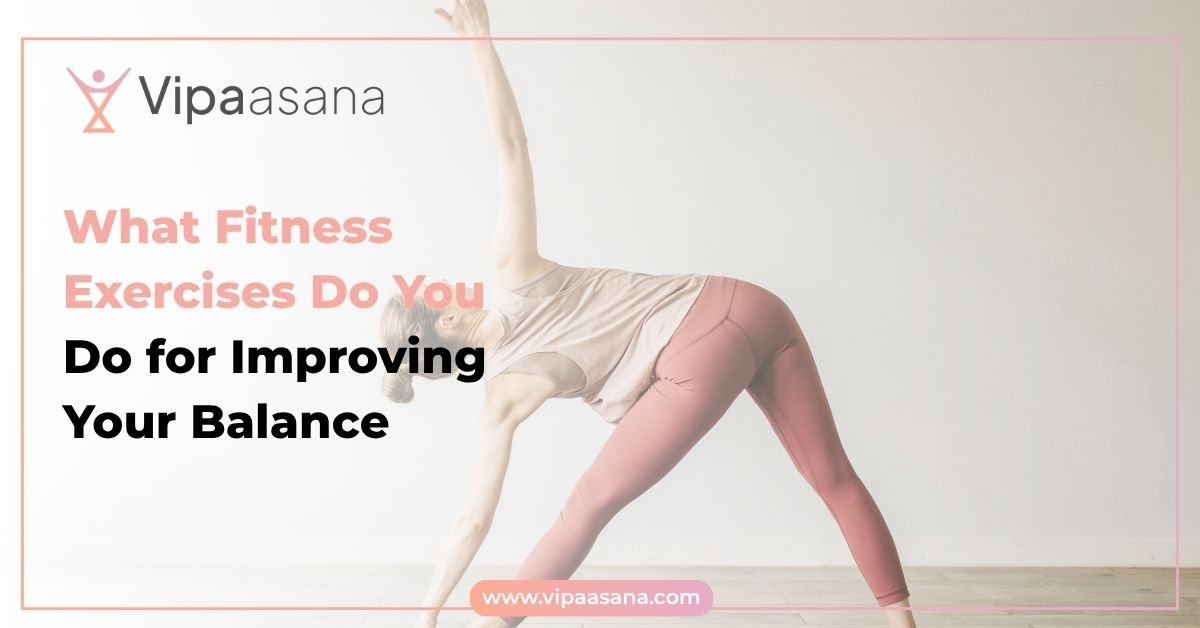
Balance is an important part of everyday fitness. Whether you are walking, climbing stairs, standing on one leg, dancing, or exercising, your body needs balance to maintain stability and coordinate movements. Good balance can help you move confidently, improve body control, and reduce the risk of falls during daily activities.
Many people focus on cardio workouts and strength training but overlook balance exercises. However, balance is a fitness skill that can be developed with consistent practice. You do not necessarily need expensive gym equipment or a complicated workout plan to get started. Simple exercises at home can help improve stability, coordination, and awareness of body movements.
Balance training is useful for beginners, older adults, athletes, dancers, and anyone who wants to improve overall physical fitness. Activities such as single-leg stands, heel-to-toe walking, controlled squats, and selected yoga poses can be included in a regular routine.
For people who prefer guided workouts at home, Yoga Online sessions can provide a convenient way to practise balance-focused poses, controlled movement, flexibility, and breathing exercises. The key is to begin with movements that match your fitness level and gradually increase the challenge as your confidence improves.
Why Is Balance Important for Overall Fitness?
Balance is your body’s ability to maintain its position while standing still or moving. It depends on coordination between the brain, muscles, joints, eyes, and inner ear.
Your body constantly receives information about its position and makes adjustments to keep you stable. When you walk on uneven ground, turn quickly, reach for an object, or stand on one leg, your balance system helps you maintain control.
Improving balance can support several aspects of fitness.
Better movement control: Balance exercises teach you to control your body’s position during different movements.
Improved coordination: Many balance activities require your arms, legs, and core muscles to work together.
Greater confidence: Practising controlled movements can help you feel more confident when performing everyday tasks.
Support for fall prevention: Balance training can improve stability and is an important component of fall-prevention programmes, particularly for older adults.
Better exercise performance: Dancers, runners, and athletes use balance to maintain control while changing direction or performing complex movements.
Balance exercises do not guarantee that falls or injuries will never happen. However, when combined with strength training and other suitable activities, they can be a valuable part of a well-rounded fitness routine.
1. Single-Leg Stand
The single-leg stand is one of the simplest exercises for improving static balance. It challenges your ability to remain stable while standing on one foot.
This exercise can be performed at home without special equipment. Beginners should practise near a sturdy chair, countertop, or wall for support.
How to perform it:
- Stand upright with your feet hip-width apart.
- Keep your shoulders relaxed and look straight ahead.
- Hold a stable surface if you need assistance.
- Slowly lift one foot a few centimetres off the floor.
- Maintain an upright posture while standing on the other leg.
- Hold the position for 10–20 seconds if comfortable.
- Lower your foot carefully and repeat on the opposite side.
Start with two or three repetitions per side, adjusting the duration according to your ability.
Avoid leaning heavily to one side or locking your standing knee. As your balance improves, you may gradually increase the holding time while remaining close to a stable support.
Do not close your eyes or stand on an unstable surface to make the exercise harder unless you are working under appropriate professional supervision.
2. Heel-to-Toe Walking
Heel-to-toe walking, sometimes called tandem walking, helps challenge balance while moving. It requires you to control your body as your feet move along a narrow line.
This exercise can be useful for beginners who want to practise walking stability in a controlled environment.
How to perform it:
- Stand near a wall or sturdy countertop.
- Place one foot directly in front of the other.
- Try to position the heel of your front foot close to the toes of your back foot.
- Take a slow step forward.
- Repeat with the opposite foot.
- Continue for approximately 5–10 steps, then turn carefully if needed.
Keep your eyes open and move at a comfortable pace. You can extend your arms slightly to help maintain stability.
Choose a clear, level walking area without loose rugs, slippery surfaces, or obstacles. If placing your feet directly in line feels too difficult, widen the distance between them and progress gradually.
The goal is controlled movement rather than speed.
3. Chair Squats
Chair squats help develop lower-body strength while allowing you to practise controlled movement and body positioning. Strong leg muscles are important for standing up, sitting down, climbing stairs, and maintaining stability.
How to perform it:
- Place a sturdy chair against a wall.
- Stand in front of it with your feet approximately shoulder-width apart.
- Keep your chest lifted and your back in a comfortable neutral position.
- Bend your hips and knees slowly as though sitting down.
- Lightly touch the chair or sit down under control.
- Push through your feet to return to standing.
Begin with 8–10 repetitions if comfortable. Use your hands for assistance if needed.
Keep your knees aligned with your feet and avoid dropping onto the chair. Choose a chair of suitable height so that the movement does not cause discomfort.
Although chair squats primarily build strength, stronger legs can support better functional stability. Combining this exercise with specific balance drills provides a more complete routine.
4. Standing Marches
Standing marches help develop coordination and controlled weight shifting. They are a beginner-friendly way to practise moving one leg at a time while maintaining an upright posture.
How to perform it:
- Stand upright near a stable support.
- Place your feet comfortably apart.
- Slowly lift one knee toward hip height, or as high as feels comfortable.
- Lower the foot gently.
- Repeat on the opposite side.
- Continue alternating for 20–30 seconds.
Avoid leaning backward or swinging your legs quickly. Focus on a controlled lift and a steady return to the floor.
If lifting your knees high feels difficult, use a smaller movement. You can also hold the back of a sturdy chair for support.
As you improve, try increasing the duration slightly or performing the movement with less hand support, provided you can remain stable.
Standing marches are particularly useful as part of a warm-up before a balance workout.
5. Heel Raises
Heel raises strengthen the calf muscles and help practise control around the ankles. The calf muscles contribute to walking, standing, and pushing off the ground during movement.
How to perform it:
- Stand behind a sturdy chair or near a countertop.
- Place your feet approximately hip-width apart.
- Keep your body upright and your knees relaxed.
- Slowly raise your heels so that you stand on the balls of your feet.
- Pause briefly at the top.
- Lower your heels slowly to the floor.
Try 8–12 repetitions, using support as necessary.
Avoid bouncing or leaning forward excessively. The movement should feel controlled, and you should stop if you experience pain or dizziness.
Once you are comfortable, you may gradually increase the repetitions. More challenging variations, such as single-leg heel raises, should only be attempted when you can perform the basic version safely.
6. Step-Ups on a Low Step
Step-ups develop leg strength and help your body practise controlled transitions between different heights. They can be useful for people who want to build confidence when climbing stairs.
How to perform it:
- Choose a low, stable step with a nonslip surface.
- Stand facing the step near a handrail or sturdy support.
- Place one foot fully on the step.
- Push through that foot to step up carefully.
- Bring the other foot up if comfortable.
- Step down slowly, maintaining control.
- Repeat using the opposite leading leg.
Start with a small number of repetitions on each side.
Do not use a chair, unstable box, or slippery surface as a step. If you have knee pain, difficulty climbing stairs, or significant balance concerns, ask a healthcare professional or physiotherapist whether this exercise is appropriate.
The aim is to maintain control throughout the movement rather than climb as quickly as possible.
7. Bird-Dog Exercise
The bird-dog is a floor-based exercise that challenges core stability and coordination. It involves extending opposite limbs while keeping the trunk relatively steady.
How to perform it:
- Start on your hands and knees on a comfortable exercise mat.
- Place your hands under your shoulders and your knees under your hips.
- Gently engage your abdominal muscles.
- Extend one arm forward while extending the opposite leg backward.
- Keep your hips level and avoid arching your back excessively.
- Hold briefly if comfortable, then return to the starting position.
- Repeat on the opposite side.
Begin with 5–8 repetitions per side, using a smaller range of movement if necessary.
If extending both limbs feels too challenging, practise lifting only one arm or one leg at a time.
The bird-dog helps train trunk control and coordination, both of which contribute to stable movement. Use a padded surface for comfort, and stop if the position causes back, wrist, or knee pain.
8. Side Leg Raises
Side leg raises strengthen muscles around the hips, including muscles that help keep the pelvis stable during walking and standing on one leg.
How to perform it:
- Stand upright beside a sturdy chair or countertop.
- Place one hand on the support.
- Keep your torso upright and your toes pointing forward.
- Slowly move one leg out to the side without leaning your body.
- Pause briefly, then return the leg to the starting position.
- Complete several repetitions before changing sides.
Aim for 8–12 repetitions per leg if comfortable.
Avoid swinging the leg or lifting it higher than you can control. A small, controlled movement is often more useful than a large movement that causes your body to lean.
You can also perform this exercise while lying on your side if standing is uncomfortable, although the floor-based version places a different demand on balance.
9. Yoga Poses for Improving Balance
Yoga combines body positioning, controlled movement, flexibility, and attention to breathing. Selected poses can help develop balance when practised at an appropriate level.
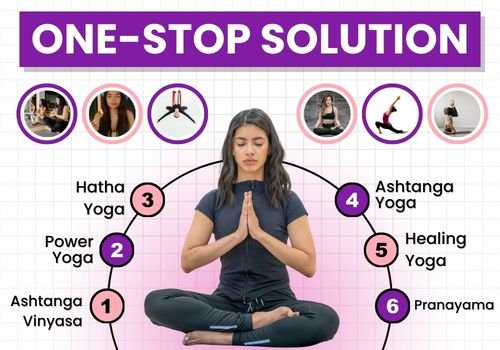
People who prefer exercising at home can use Yoga Online classes to follow guided sessions and learn modifications for different abilities. Beginners should choose classes that prioritise clear instructions, stable positioning, and gradual progression.
Here are three commonly used balance poses.
Tree Pose: Stand upright and shift your weight onto one foot. Place the sole of the opposite foot against your inner calf or thigh, avoiding direct pressure on the knee. Keep one hand on a wall or chair if needed. Hold briefly and switch sides.
Warrior III preparation: Stand near a support, move your torso slightly forward, and extend one leg behind you while keeping your hips as level as possible. You do not need to lift the leg high. Focus on control rather than achieving a perfect pose.
Mountain Pose: Stand with your feet comfortably grounded, your shoulders relaxed, and your spine in a natural upright position. Distribute your weight evenly between both feet and breathe steadily. This simple posture can help you practise body awareness before progressing to more challenging poses.
Yoga is not a replacement for every form of balance training, but it can be a useful addition to a fitness routine. Choose modifications that allow you to remain stable, and never force a pose that causes pain.
10. Core Exercises for Better Stability
Your core includes muscles around your abdomen, back, pelvis, and trunk. These muscles help control your body’s position during everyday movement.
Core exercises can support balance by improving your ability to maintain a steady torso while your arms and legs move.
Beginner-friendly options include:
Dead bug: Lie on your back with your knees bent and arms raised. Slowly lower one arm and the opposite leg while keeping your lower back in a comfortable position, then return to the starting position.
Modified plank: Place your forearms on the floor and keep your knees down. Maintain a straight line from your head to your knees while breathing normally.
Glute bridge: Lie on your back with your knees bent and feet flat. Lift your hips gently, keeping your movement controlled, then lower them slowly.
Start with short holds or 6–10 controlled repetitions, depending on the exercise. These movements mainly build strength and trunk control rather than directly challenging standing balance, so combine them with exercises such as single-leg stands or heel-to-toe walking.
If you have back problems or a medical condition that affects exercise, seek professional guidance before beginning a new programme.
11. How Often Should You Practise Balance Exercises?
Consistency matters more than completing a difficult workout once in a while. Many people can begin with short sessions lasting approximately 10–15 minutes, two or three times per week, and gradually build from there.
Your ideal routine depends on your current fitness, age, health, and balance ability. Some people may benefit from practising simple movements more frequently, while others need additional recovery or professional supervision.
A beginner session might include:
- Standing marches for 30 seconds.
- Single-leg stands with support for 10–15 seconds per side.
- Heel raises for 10 repetitions.
- Chair squats for 8–10 repetitions.
- Heel-to-toe walking for 5–10 steps.
- Gentle stretching at the end.
Repeat movements only as long as you can maintain good control. Rest between exercises whenever necessary.
For older adults or people with an increased risk of falling, a tailored programme that includes balance and strength exercises may be particularly beneficial. A physiotherapist can help select appropriate exercises and progression levels.
12. Common Mistakes to Avoid During Balance Training
Balance exercises should challenge your stability without putting you in an unsafe position. Avoid the following mistakes when beginning a new routine.
Starting with exercises that are too difficult: Attempting advanced single-leg poses before mastering basic movements may increase the risk of losing balance.
Ignoring support: Using a sturdy chair or countertop is a sensible way to practise safely. You can gradually reduce your reliance on support as your ability improves.
Moving too quickly: Fast movements can make it harder to control your posture. Begin slowly and focus on steady transitions.
Looking down constantly: Keeping your head in a comfortable position and looking forward can help you maintain an upright posture during many standing exercises.
Training on slippery surfaces: Choose a clear, level area and wear appropriate footwear. Barefoot practice may suit some exercises, but it should only be done where the floor is safe and comfortable.
Ignoring pain or dizziness: Stop if an exercise causes unusual pain, dizziness, chest discomfort, or shortness of breath beyond what is expected from your activity. Seek medical advice when appropriate.
Never deliberately create an unsafe situation to make balance training more challenging.
13. How to Make Balance Training Part of Your Lifestyle
Balance training can fit into everyday activities without requiring a separate, lengthy workout. The important thing is to choose safe opportunities and remain attentive to your surroundings.
You might practise controlled heel raises while standing at a kitchen counter or perform a few chair squats during a break from sitting. A short walk, regular strength training, and gentle mobility exercises can also support general physical function.
If you enjoy dance workouts, practise basic steps slowly before adding faster movements or changes in direction. Dancers need coordination and balance, and developing these skills gradually can make movement feel more controlled.
At home, guided exercise programmes can help you maintain a routine. Yoga Online sessions may be a convenient option for people who want to practise balance poses, gentle stretching, and mindful movement without travelling to a studio.
Choose instructors who demonstrate modifications and explain how to use support when necessary. Remember that online guidance cannot assess your individual risk of falling, so people with significant mobility limitations should seek professional advice before attempting challenging poses.
Conclusion
Improving balance is an achievable fitness goal that can support everyday movement, coordination, confidence, and physical stability. Exercises such as single-leg stands, heel-to-toe walking, standing marches, heel raises, chair squats, side leg raises, and bird-dog movements can help you develop different aspects of balance and strength.
Yoga poses and core exercises can also complement your routine. With Yoga Online classes, you can follow guided movement sessions at home and choose beginner-friendly modifications that match your ability.
Start with simple movements, use a stable support when needed, and increase the challenge gradually. Combine balance practice with strength training, regular physical activity, and adequate recovery for a more complete fitness routine.
Most importantly, practise safely and consistently. If you experience frequent falls, sudden changes in balance, dizziness, or significant difficulty walking, consult a healthcare professional rather than relying on exercise alone. With an appropriate plan and regular practice, you can work toward better balance and greater confidence in your daily activities.