Hair fall is a common concern for both men and women. Finding loose strands on a pillow, noticing hair in the shower drain, or seeing a thinner ponytail can be frustrating. Many people try different shampoos, oils, and home remedies to improve their hair, but one important factor is often overlooked: scalp health.
The scalp is the skin that supports hair follicles, and its condition can influence how comfortable the scalp feels and how well certain hair-related conditions are managed. A healthy scalp care routine may help reduce breakage caused by irritation or poor hair care practices. However, scalp care alone cannot prevent every type of hair loss because hair fall can also result from genetics, hormonal changes, nutritional deficiencies, medical conditions, and stress.
Understanding the difference between normal shedding, hair breakage, and hair loss is essential before choosing a treatment. By combining gentle scalp care with a balanced diet and healthy lifestyle habits, you can take practical steps toward maintaining stronger, healthier-looking hair.
What Is Scalp Health and Why Does It Matter?
Scalp health refers to the condition of the skin covering your head. Like the skin on other parts of your body, the scalp contains oil glands, hair follicles, and a protective skin barrier. These structures help maintain the environment in which hair grows.
A healthy scalp is generally comfortable and free from persistent itching, excessive inflammation, painful bumps, and severe flaking. Everyone’s scalp is different, so the ideal routine depends on factors such as oil production, hair texture, activity level, and any existing skin conditions.
When the scalp becomes irritated or develops a condition such as dermatitis or infection, the surrounding skin and hair may be affected. Scratching can also damage fragile hair and increase breakage.
Keeping the scalp clean and treating underlying skin problems can improve comfort and reduce avoidable damage. However, a clean scalp does not automatically guarantee faster hair growth. Hair follicles follow natural growth cycles, and many causes of hair loss originate beyond the surface of the scalp.
How Can Scalp Problems Contribute to Hair Fall?
Several scalp-related issues can contribute to shedding, breakage, or changes in hair quality. Identifying the problem helps determine which care routine or treatment may be useful.
Dandruff and seborrheic dermatitis: These conditions can cause flakes, itching, and irritation. Scratching repeatedly may damage the scalp and contribute to hair breakage. Dandruff itself does not usually cause permanent hair loss, but controlling irritation can make the scalp more comfortable.
Scalp inflammation: Certain inflammatory skin conditions can affect the scalp and sometimes interfere with normal hair growth. Persistent redness, tenderness, scaling, or sores should be evaluated by a healthcare professional.
Scalp infections: Some fungal infections can cause scaly patches and broken hairs. They may require prescription treatment rather than ordinary shampoo or oil.
Product irritation: Fragrances, dyes, styling products, and some hair treatments can trigger irritation or allergic reactions. If itching or redness begins after introducing a new product, discontinue it and seek advice if symptoms persist.
Excessive scratching: Scratching may weaken or break hair shafts and injure the skin. Keeping nails away from irritated areas and treating the underlying cause can help prevent further damage.
It is important to remember that hair thinning can occur even when the scalp looks completely normal. Hereditary hair loss and some hormonal or nutritional conditions may not produce visible scalp irritation.
Can a Healthy Scalp Help Hair Grow Better?
Maintaining a healthy scalp can create better conditions for normal hair growth, particularly when a scalp problem is contributing to irritation or hair damage.
For example, treating a scalp infection may help hair recover if the infection is responsible for the problem. Managing dermatitis may reduce itching and scratching, while a suitable cleansing routine can remove excess oil and product buildup.
Gentle hair care can also protect the hair shaft. When hair breaks less frequently, it may retain more length and appear thicker, even if the rate of growth from the follicles has not changed.
However, scalp care should not be confused with a guaranteed hair regrowth treatment. If hair loss results from genetics, thyroid disease, iron deficiency, medication effects, or hormonal changes, treating the scalp alone may not address the cause.
The best approach is to maintain good scalp hygiene while paying attention to other factors that can influence hair health.
Choose the Right Shampoo for Your Scalp Type
Shampoo plays an important role in removing sweat, excess oil, dirt, and styling product residue. The right product depends on your scalp rather than simply the length or appearance of your hair.
If your scalp becomes oily quickly, you may need to wash more frequently. If your hair is dry, curly, or textured, you may prefer less frequent washing and a moisturising conditioner.
Apply shampoo primarily to the scalp and massage gently with your fingertips. Avoid scratching with your nails or rubbing the hair lengths aggressively. Rinse thoroughly to prevent residue from remaining on the skin.
If you experience persistent dandruff, an anti-dandruff shampoo containing an appropriate active ingredient may help. Follow the product instructions, including any recommended contact time. If symptoms do not improve or the scalp becomes painful or inflamed, consult a dermatologist.
Avoid assuming that expensive shampoos or products labelled as natural are automatically better. The most suitable product is one that cleans effectively without causing irritation or excessive dryness.
Regular washing does not generally cause healthy hair follicles to stop growing. Hair that comes out during washing may already have reached the end of its natural growth cycle.
Does Scalp Massage Help Reduce Hair Fall?
Scalp massage is a popular home care practice because it feels relaxing and can be easily included in a daily routine. Using your fingertips, apply gentle circular movements across the scalp for a few minutes.
Some preliminary research has explored the relationship between regular scalp massage and hair thickness, but the evidence is limited. There is not enough strong evidence to conclude that scalp massage reliably prevents hair loss or stimulates substantial new growth.
If you enjoy scalp massage, use gentle pressure and avoid pulling on the hair. People with a painful, inflamed, or infected scalp should avoid vigorous massage and seek appropriate treatment.
You may choose to massage your scalp before washing your hair, but applying oil is not essential. If you use oil, select a product that suits your scalp and wash it out when necessary.
Heavy oils may worsen discomfort or buildup for some people, particularly those prone to oily scalp conditions. Stop using any product that causes itching, redness, or irritation.
Can Natural Oils Improve Scalp Health?
Natural oils are widely used in traditional hair care routines. Some can help condition the hair shaft, reduce friction, and improve the appearance of dry or rough hair.
Coconut oil, for example, has evidence supporting its ability to reduce protein loss from hair under certain conditions. This may help protect the hair from some forms of damage. However, conditioning the hair shaft is different from stimulating hair follicles or treating the underlying causes of hair loss.
Other oils, including olive and almond oil, may make hair feel softer, depending on the hair type. Their effects on actual hair growth are less well established.
Essential oils require particular caution because concentrated products can irritate the skin or cause allergic reactions. Never assume that an ingredient is safe simply because it is natural.
If your scalp is itchy, inflamed, or prone to flaking, introducing multiple oils may make it harder to identify what is causing the problem. Focus on gentle cleansing and appropriate treatment first.
How Nutrition Supports Healthy Hair and Scalp
Healthy hair depends on more than topical products. Hair follicles require sufficient energy, protein, vitamins, and minerals to function normally.
Protein is particularly important because hair is primarily composed of keratin, a structural protein. Include suitable sources such as eggs, dairy products, lentils, beans, chickpeas, tofu, fish, or lean meat in your meals.
Iron is another important nutrient. Iron deficiency can contribute to hair shedding, especially in people with low iron stores. Foods such as lentils, beans, leafy greens, and meat can contribute to iron intake.
A balanced diet should also include vegetables, fruits, whole grains, nuts, and seeds. These foods provide a variety of nutrients that support overall health.
Avoid crash diets and extreme calorie restriction, as rapid weight loss or inadequate food intake can trigger increased shedding. If you suspect a nutritional deficiency, consult a healthcare professional who can recommend appropriate testing.
Do not take high-dose supplements without medical guidance. Excessive amounts of certain nutrients, including vitamin A and selenium, may actually contribute to hair loss.
Can Stress Affect Scalp Health and Hair Fall?
Stress can influence the body in several ways, including sleep quality, eating habits, and general well-being. Significant physical or emotional stress may also trigger a temporary type of hair shedding called telogen effluvium.
This type of shedding often becomes noticeable a few months after the triggering event. Possible causes include severe illness, surgery, childbirth, major emotional stress, and rapid weight loss.
Stress-related shedding is different from scalp irritation. A person may experience substantial hair fall even if the scalp looks healthy and has no visible inflammation.
Managing stress can be a helpful part of a broader hair care plan. Consider activities such as walking, listening to music, practising slow breathing, maintaining a regular sleep schedule, or spending time on enjoyable hobbies.
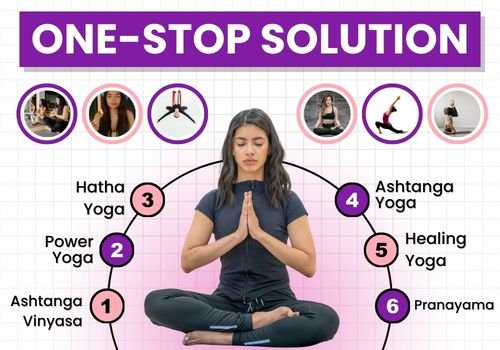
For people who prefer guided exercise at home, Yoga Online sessions can provide a convenient way to practise gentle movement, breathing techniques, and relaxation. These activities may help some people manage stress, although yoga has not been established as a direct treatment for hair loss.
If shedding continues, becomes severe, or occurs alongside other symptoms, seek medical advice rather than assuming stress is the only cause.
The Role of Exercise and Sleep in Hair Health
Regular exercise and adequate sleep support overall health, which can help you maintain consistent self-care habits.
Activities such as walking, dancing, cycling, and strength training can support cardiovascular health, mood, and general fitness. Choose an exercise routine that suits your current ability and avoid combining excessive training with inadequate food intake.
Sleep is also important for recovery and emotional well-being. Most adults benefit from approximately seven to nine hours of sleep per night, although individual needs vary.
Try to maintain a regular sleep schedule, create a relaxing bedtime routine, and reduce habits that interfere with rest.
There is limited evidence that a particular workout or amount of sleep directly accelerates hair growth. These habits should be viewed as part of a healthy lifestyle rather than as substitutes for treating a medical cause of hair loss.
Avoid Hair Care Habits That Damage the Hair
Some hair concerns are caused or worsened by damage to the hair shaft rather than a problem with the follicles themselves. Reducing mechanical and chemical damage can help hair retain its length.
Consider the following habits:
- Limit frequent use of straighteners, curling irons, and high-heat dryers.
- Use a heat-protectant product when heat styling.
- Detangle gently with a suitable comb or brush.
- Avoid brushing aggressively when hair is wet and fragile.
- Reduce repeated bleaching, relaxing, and harsh chemical treatments.
- Avoid tight ponytails, braids, and extensions that pull on the roots.
- Use conditioner to reduce friction and tangling.
- Avoid rubbing wet hair vigorously with a towel.
Repeated tension from tight hairstyles can cause traction alopecia, which may become permanent if the damaging practice continues for too long.
A haircut can remove split ends and improve appearance, but trimming does not change the speed of growth at the roots. The goal is to reduce breakage so that more of the hair’s natural length is retained.
When Should You See a Dermatologist?
Home care is useful for routine maintenance, but some forms of hair loss require professional diagnosis and treatment.
Arrange a medical assessment if you notice sudden or rapid shedding, round bald patches, widening of your part, a steadily receding hairline, or persistent scalp pain, redness, swelling, and scaling.
A dermatologist can examine the scalp and hair pattern, review your medical history, and recommend tests when appropriate. Depending on your symptoms, this may include evaluating iron status, thyroid function, or other possible contributing factors.
Treatment depends on the cause. Scalp infections may require specific medication, nutritional deficiencies may need correction, and hereditary hair thinning may respond to treatments such as topical minoxidil when medically appropriate.
Some inflammatory conditions can cause permanent hair loss if treatment is delayed, so persistent symptoms should not be managed with home remedies alone.
Seek prompt advice if hair loss is accompanied by signs of a significant scalp infection or severe inflammation.
A Simple Daily Routine for Better Scalp Health
A practical routine does not need to involve many products or expensive treatments. Consistency and gentle care are more important than trying every remedy available.
In the morning: Gently style your hair and avoid tight hairstyles that pull on the roots. Eat a balanced breakfast and include a suitable source of protein.
During the day: Stay physically active, eat regular balanced meals, and take breaks when you feel stressed. Avoid repeatedly touching, pulling, or scratching your scalp.
After exercise: Wash your scalp when needed to remove sweat and excess oil. Choose a shampoo suited to your scalp type rather than following a fixed washing schedule that does not suit you.
In the evening: Detangle gently, avoid unnecessary heat styling, and make time for relaxation. Gentle breathing exercises or a short movement session can help you unwind.
Weekly: Check whether your products are causing irritation, review your hair styling habits, and notice any persistent changes in shedding or scalp condition.
If you are trying a new product, introduce it individually rather than changing your entire routine at once. This makes it easier to identify a potential cause of irritation.
How Long Does It Take to Notice Improvements?
Scalp comfort may improve relatively quickly when an irritating product is removed or an appropriate treatment is started. However, changes in hair density generally take longer because hair grows gradually and follows a natural cycle.
Hair on the scalp commonly grows around one centimetre per month on average, although the rate varies from person to person.
If the problem is hair breakage, gentler handling may help reduce further damage over time. If you have excessive shedding, recovery depends on the underlying cause and whether it has been addressed.
Stress-related shedding may take several months to settle after the trigger resolves. Other forms of hair loss may require ongoing treatment.
Track changes using photographs taken under similar lighting conditions every month. Daily checking can make small fluctuations seem more significant than they are.
Avoid products promising instant regrowth or dramatic results within a few days. Healthy scalp care is a gradual process, and results depend on the cause of the problem.
Conclusion
Improving scalp health can help reduce hair fall when irritation, inflammation, scalp conditions, or damaging hair care habits contribute to the problem. Gentle cleansing, suitable products, careful styling, and avoiding excessive scratching can support a healthier scalp and help protect fragile hair.
Nutrition, sleep, physical activity, and stress management also contribute to overall well-being. Practices such as Yoga Online sessions may help some people manage stress and maintain a balanced routine, but they should not be treated as a proven cure for hair loss.
Most importantly, scalp care cannot address every cause of thinning or shedding. Genetics, hormonal changes, nutritional deficiencies, thyroid disorders, and certain medical conditions may require targeted treatment.
Pay attention to persistent symptoms, avoid unverified miracle remedies, and consult a dermatologist when hair loss is sudden, severe, or ongoing. With the right combination of gentle care and appropriate medical guidance, you can take meaningful steps toward maintaining healthier-looking hair.