
Introduction
Stress has become a common part of modern life. Busy work schedules, family responsibilities, financial concerns, lack of sleep, and daily challenges can affect both physical and mental well-being. When the body experiences stress, it releases hormones such as cortisol and adrenaline to prepare for a response. While these hormones are helpful in short-term stressful situations, prolonged stress may negatively affect sleep, mood, energy levels, and overall health.
One effective way to manage everyday stress is through regular physical activity. Exercise helps the body regulate its stress response, improves mood, supports better sleep, and encourages relaxation. Activities such as walking, cycling, strength training, dancing, and yoga can all contribute to a healthier relationship between the body and mind.
People who prefer exercising at home can also explore a Yoga Subscription to access guided sessions, follow structured routines, and maintain a consistent wellness practice. However, the most important factor is choosing an activity that suits individual fitness levels and can be maintained over time.
Understanding how exercise affects stress hormones can help people make better decisions about their daily health routines.
What Are Stress Hormones?
Stress hormones are chemical messengers released by the body in response to perceived threats, challenges, or pressure. They help the body prepare to respond quickly when necessary.
Two important stress hormones are cortisol and adrenaline. Cortisol helps regulate metabolism, blood sugar, inflammation, and the body’s response to stress. Adrenaline increases heart rate, improves alertness, and prepares the body for immediate action.
These responses are part of the body’s natural survival mechanism. For example, when someone faces an urgent deadline or a difficult situation, stress hormones may temporarily increase alertness and energy.
The problem can arise when stress becomes frequent or continues for long periods. Persistent stress may contribute to sleep disturbances, irritability, difficulty concentrating, and changes in appetite. It can also affect the body’s normal hormonal rhythms.
Regular exercise can help support healthy stress regulation, although it does not eliminate stress hormones completely. The goal is to help the body respond to stress appropriately and recover effectively afterward.
How Does Regular Exercise Affect Cortisol Levels?
Cortisol is often called the stress hormone because it plays an important role in the body’s stress response. However, cortisol is not inherently harmful. The body needs it to function normally, and its levels naturally change throughout the day.
Physical activity can temporarily increase cortisol, particularly during intense or prolonged workouts. This is a normal response that helps the body meet increased energy demands.
After exercise, cortisol levels generally move toward their usual patterns as the body recovers. Regular, appropriately balanced physical activity may help improve stress management and support healthy regulation of the body’s stress response.
The effect depends on several factors, including exercise intensity, workout duration, fitness level, recovery time, and sleep quality.
For example, a person who takes a comfortable 30-minute walk may experience relaxation and an improved mood. Someone completing an exhausting workout without sufficient recovery may experience additional physical strain.
Therefore, exercise should be balanced with adequate rest and nutrition. The objective is not to force cortisol levels as low as possible but to support the body’s natural hormonal balance.
Can Exercise Reduce Adrenaline and the Fight-or-Flight Response?
Adrenaline is released when the body perceives a challenge or threat. It increases heart rate, breathing rate, and alertness, preparing the body to act quickly.
Although this response is useful in emergencies, repeated feelings of pressure can leave people feeling tense, restless, or overwhelmed.
Regular physical activity provides a healthy outlet for physical tension and can help improve emotional regulation. Exercise also gives people an opportunity to redirect their attention away from stressful thoughts and toward movement, breathing, and bodily sensations.
Activities such as walking outdoors, swimming, cycling, and gentle yoga can be particularly helpful for people who feel mentally exhausted.
Over time, maintaining a consistent exercise routine may support better coping skills and improve confidence in managing daily challenges. However, exercise does not directly eliminate every adrenaline response, and individual experiences will vary.
Why Is Consistency More Important Than Intensity?
Many people assume that intense exercise is necessary to experience stress-relief benefits. In reality, consistent and manageable activity is often a more sustainable approach.
A short walk, a gentle stretching routine, or a beginner-friendly yoga session can provide an opportunity to relax without placing excessive demands on the body.
Consistency allows people to build a routine that fits into their daily schedules. It also reduces the pressure to complete difficult workouts when energy levels are low.
For example, a working professional might take a 20-minute walk after work, while someone with family responsibilities might practice gentle yoga before starting the day.
A regular routine can support physical fitness, mood, sleep quality, and general well-being. The best exercise plan is one that matches personal abilities and remains enjoyable over time.
What Types of Exercise Help Manage Stress?
Different forms of exercise offer different benefits. Choosing an activity that feels comfortable and enjoyable can make it easier to stay active.
Walking: Walking is accessible, requires little equipment, and can be adapted to different fitness levels. A brisk walk may help improve cardiovascular fitness, release physical tension, and provide a break from demanding tasks.
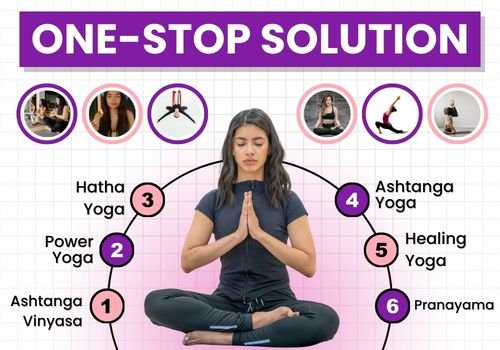
Yoga: Yoga combines physical postures, controlled breathing, and attention to the present moment. It can help people develop body awareness, improve flexibility, and manage perceived stress. Gentle yoga may be especially suitable for those who want a calming activity.
Strength training: Resistance exercises help build muscular strength and support long-term physical health. When performed with appropriate intensity and recovery, strength training can also contribute to improved mood and confidence.
Cycling: Indoor or outdoor cycling offers cardiovascular benefits and can provide a refreshing break from everyday responsibilities. People can adjust the pace according to their abilities.
Dancing: Dancing combines movement, rhythm, and music. It can be an enjoyable way to increase physical activity while supporting mood and social connection.
Swimming: Swimming provides a full-body workout with relatively low impact on the joints. The rhythmic nature of swimming may feel relaxing for some people.
There is no single exercise that works best for everyone. Combining different activities can make a routine more enjoyable and help support overall wellness.
How Does Yoga Help With Stress Management?
Yoga is a popular option for people who want to combine movement with relaxation. Unlike workouts that focus mainly on speed or strength, many yoga practices emphasize controlled breathing, mindful movement, and awareness of physical sensations.
These elements may help people recognize tension earlier and respond to stressful situations more calmly.
Gentle poses, such as Child’s Pose, Cat-Cow, and supported relaxation postures, can encourage comfortable movement and help release feelings of physical tightness. Slow breathing exercises may also support relaxation when practiced safely and without forcing the breath.
Research suggests that yoga may help reduce perceived stress and anxiety for some people. However, results vary, and yoga should not be viewed as a guaranteed way to lower cortisol or treat a medical condition.
Beginners can start with short sessions and gradually increase the duration as they become more comfortable.
A Yoga Subscription may be useful for people who prefer structured online classes, guided instructions, and flexible practice times. Depending on the service, users may be able to select beginner sessions, restorative yoga, breathing exercises, or routines designed around their schedules.
The key is to choose an appropriate program, follow qualified instruction, and avoid pushing the body into uncomfortable positions.
How Much Exercise Is Needed to Reduce Stress?
The amount of exercise needed depends on individual health, fitness levels, and daily responsibilities. However, general physical activity recommendations provide a useful starting point.
Adults are generally encouraged to aim for at least 150 minutes of moderate-intensity aerobic activity per week, or 75 minutes of vigorous-intensity activity, along with muscle-strengthening activities on two or more days per week, according to common public health guidelines.
These targets are intended to support overall health, not to guarantee a particular reduction in stress hormones.
People who are currently inactive do not need to achieve these targets immediately. Starting with 10 to 15 minutes of comfortable movement and gradually increasing activity can be a practical approach.
For example, a beginner might follow this simple weekly routine:
- Monday: 20-minute brisk walk.
- Tuesday: 15 to 20 minutes of gentle yoga.
- Wednesday: 20-minute walk or cycling session.
- Thursday: Light strength training.
- Friday: 20 minutes of yoga or stretching.
- Saturday: An enjoyable activity such as dancing, swimming, or walking.
- Sunday: Rest or gentle movement, depending on energy levels.
This is only an example. The schedule can be adjusted according to personal preferences, health conditions, and available time.
The most important principle is to increase activity gradually and allow sufficient recovery between demanding sessions.
Can Too Much Exercise Increase Stress Hormones?
Although exercise can support stress management, excessive training without adequate recovery may increase physical stress.
Long, intense workouts can temporarily elevate cortisol and other stress-related responses. If a person repeatedly trains beyond their recovery capacity, they may experience persistent fatigue, declining performance, muscle soreness, irritability, or disrupted sleep.
These symptoms do not automatically indicate high cortisol, because they can have many causes. However, they may suggest that the current routine needs adjustment.
People can support recovery by scheduling rest days, eating balanced meals, drinking enough water, and getting sufficient sleep.
It is also important to avoid treating every workout as a competition. Gentle movement may be more appropriate than intense training during periods of poor sleep, illness, or unusual fatigue.
Exercise should contribute to well-being rather than become another source of pressure. A flexible routine that responds to the body’s needs is generally more sustainable than an excessively demanding schedule.
How Does Exercise Improve Sleep and Mood?
Stress and sleep influence each other. Stress may make it difficult to fall asleep or stay asleep, while insufficient sleep can affect emotional regulation and the body’s hormonal rhythms.
Regular physical activity may help improve sleep quality, reduce feelings of tension, and support a more stable daily routine.
Exercise can also stimulate the release of chemicals involved in mood regulation. Many people report feeling calmer, more energetic, or more positive after physical activity.
Outdoor exercise may provide additional benefits by creating opportunities for daylight exposure, fresh air, and a change of environment.
However, individual responses differ. Some people find vigorous exercise late in the evening stimulating, so they may prefer gentler activities closer to bedtime.
A consistent sleep schedule, reduced caffeine intake late in the day, and a relaxing evening routine can complement exercise.
Together, these habits may help support emotional well-being and the body’s natural stress-regulation processes.
Can a Yoga Subscription Help Build a Consistent Routine?
Maintaining a regular exercise schedule can be challenging when work, family, and other responsibilities compete for attention. Online fitness programs can make it easier to exercise without travelling to a gym or studio.
A suitable Yoga Subscription may provide access to guided sessions, different class durations, beginner-friendly routines, and opportunities to practice at convenient times.
For someone managing a busy schedule, a 15-minute yoga session during a break may be easier to maintain than a long workout that requires extensive planning.
When evaluating an online program, consider the following factors:
- Qualified instructors: Look for clear guidance and appropriate modifications for different ability levels.
- Flexible scheduling: Choose classes that fit your daily routine.
- Suitable intensity: Start with beginner or gentle sessions if you are new to yoga.
- Variety: Select a program that includes mobility, relaxation, breathing, and general fitness options.
- Affordability: Compare the subscription price with the classes and features provided.
- Consistency: Choose a program that makes it easy to practice regularly without adding unnecessary pressure.
A subscription is a tool, not a requirement. Free guided sessions, independent walking routines, and other accessible activities can also support an active lifestyle.
The best choice is the one that helps you remain comfortable, motivated, and consistent.
Other Lifestyle Habits That Support Stress Management
Exercise works best as part of a broader approach to health. Other daily habits can support the body’s natural stress response and improve overall quality of life.
Maintain a balanced diet. Eat a variety of vegetables, fruits, whole grains, protein sources, and healthy fats. Regular meals can help support energy levels and general health.
Prioritize sleep. Most adults need around seven to nine hours of sleep each night. Maintaining a regular bedtime and wake-up time may help improve sleep quality.
Practice slow breathing. Comfortable, gentle breathing exercises may help some people feel calmer during stressful moments. Stop if you feel dizzy or uncomfortable.
Take regular breaks. Short breaks from screens, work, and demanding tasks can provide an opportunity to reset attention and reduce mental fatigue.
Maintain social connections. Talking with supportive friends, family members, or trusted colleagues can help people cope with everyday challenges.
Spend time outdoors. Walking in a park or sitting in a peaceful outdoor setting may provide a welcome break from a busy environment.
Set realistic expectations. Trying to change every lifestyle habit at once can create additional pressure. Start with one or two manageable changes and build gradually.
These practices do not guarantee specific cortisol levels, but they can contribute to a healthier foundation for stress management.
When Should You Seek Professional Help for Stress?
Everyday stress is common, but persistent or overwhelming stress may require additional support.
Consider speaking with a qualified healthcare professional if stress regularly interferes with sleep, relationships, work, appetite, or daily activities. Professional guidance is also appropriate if you experience ongoing anxiety, persistent low mood, unexplained physical symptoms, or unusual fatigue.
Do not assume that these symptoms are caused by high cortisol alone. Many physical and psychological conditions can produce similar experiences, and a healthcare professional can help identify possible causes.
People with existing medical conditions, significant injuries, or concerns about exercise safety should seek appropriate advice before beginning a demanding fitness program.
Exercise and yoga can complement professional care, but they are not substitutes for necessary medical treatment or mental health support.
Conclusion
Regular exercise can help people manage stress by supporting mood, improving sleep, releasing physical tension, and helping the body regulate its response to everyday challenges. Activities such as walking, strength training, dancing, cycling, and yoga can all contribute to overall well-being.
However, exercise does not permanently eliminate stress hormones, and cortisol naturally rises and falls according to the body’s needs. Sustainable activity, appropriate recovery, balanced nutrition, and good sleep are more useful goals than trying to force hormone levels as low as possible.
For people who prefer guided home workouts, a Yoga Subscription can provide structure and flexibility, making it easier to develop a regular practice. Whether you choose online yoga, outdoor walking, or another enjoyable activity, start at a comfortable level and increase gradually.
Small, consistent changes can make a meaningful difference over time. By combining regular movement with healthy lifestyle habits and professional support when needed, you can build a more balanced approach to stress management and long-term wellness.