
Modern working women often have to manage several responsibilities at the same time. From professional deadlines and long working hours to household responsibilities and personal commitments, maintaining a healthy lifestyle can sometimes become difficult. In the middle of a busy schedule, exercise and relaxation are often the first things people skip.
Yoga can be a practical way for working women to include physical activity and relaxation in their daily routine. It does not always require a gym, expensive equipment, or a large amount of time. A simple yoga routine can be practiced at home, in the office, or in another comfortable space.
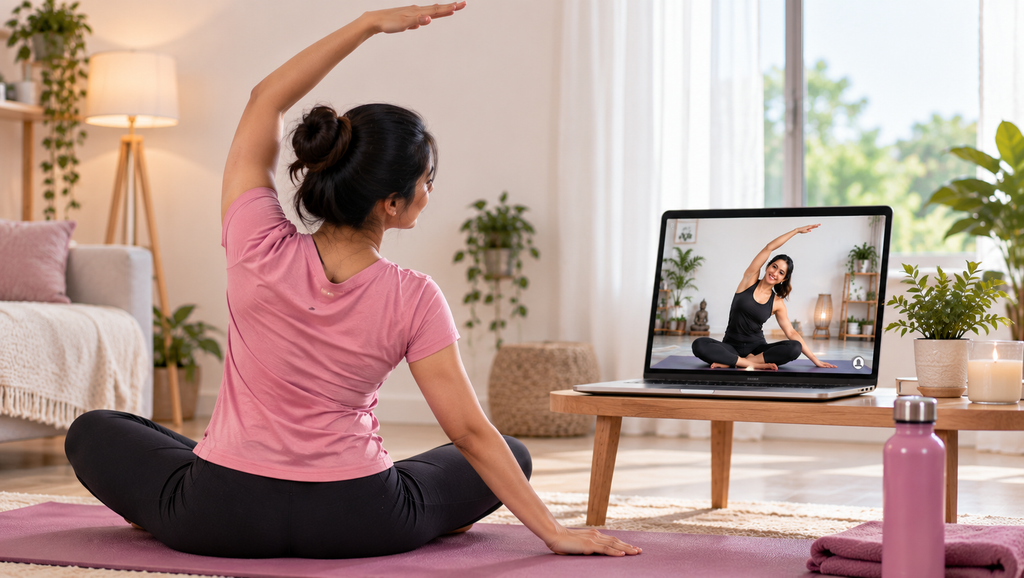
For women with busy schedules, a Virtual Yoga Class can also make yoga more convenient. Instead of traveling to a yoga studio, they can follow an instructor online from the comfort of their home.
What Is Yoga?
Yoga is a practice that combines physical postures, breathing techniques, and relaxation or mindfulness practices. Different forms of yoga can focus on flexibility, strength, balance, relaxation, or a combination of these areas.
For beginners, yoga can be started with simple poses and gentle movements. As the body becomes more comfortable, the practice can gradually become longer or more challenging.
Yoga is not only about flexibility. A regular practice can help people become more aware of their posture, breathing, movement, and overall physical well-being.
Why Is Yoga Useful for Working Women?
Working women may spend several hours sitting at a desk, using a computer, attending meetings, commuting, or performing physically demanding tasks. These activities can make it difficult to maintain good posture and regular movement throughout the day.
Yoga provides an opportunity to take a break and move the body. Simple stretches and yoga poses can be included before work, during a break, or after finishing the workday.
A consistent yoga routine may support flexibility, strength, balance, relaxation, and body awareness. It can also become a useful part of a broader healthy lifestyle that includes nutritious food, sufficient sleep, and regular physical activity.

Benefits of Yoga for Working Women
1. Helps Improve Flexibility
Sitting for long periods can make the body feel stiff. Gentle yoga movements can stretch different muscle groups and help maintain flexibility.
Poses such as Cat-Cow, Child’s Pose, Butterfly Pose, and gentle seated stretches can be included in a beginner-friendly routine.
Regular practice may make everyday movements feel more comfortable while supporting overall mobility.
2. Supports Better Posture
Poor sitting posture is common among people who work at desks for long hours. Spending much of the day in front of a computer can encourage people to round their shoulders or lean forward.
Yoga can help develop awareness of body alignment and posture. Poses that strengthen the back and core may support better posture when combined with proper workplace ergonomics.
However, yoga should not be considered a replacement for appropriate desk setup or professional medical advice when someone has persistent pain.
3. Helps With Relaxation
A busy work schedule can make it difficult to find time to relax. Yoga often includes controlled breathing and relaxation exercises that can help create a calm break from daily activities.
Even five to ten minutes of slow breathing and gentle stretching can provide an opportunity to step away from work and focus on the present moment.
4. Supports Physical Strength
Some yoga poses require you to support your own body weight. Standing poses, balance poses, and certain floor poses can engage different muscle groups.
Working women who spend most of their day sitting can benefit from including movement that activates muscles throughout the body.
5. Encourages Regular Movement
One of the biggest challenges of office work is remaining physically inactive for long periods. A short yoga session can be an easy way to add movement to the day.
You can practice a few simple stretches between work tasks instead of waiting until the end of the day for a long workout.
6. Supports Mindful Breathing
Breathing exercises are commonly included in yoga practice. Paying attention to slow, comfortable breathing can help you take a mental break from work.
Simple breathing practices can be performed while sitting comfortably at home or, when appropriate, during a quiet break at work.
Best Yoga Poses for Working Women
Working women do not need to practice complicated poses. Simple movements can be enough for a beginner routine.
Mountain Pose
Mountain Pose is a simple standing posture that encourages awareness of alignment and balance.
Stand comfortably with your feet grounded, keep your spine upright, relax your shoulders, and breathe naturally. Hold the position for several breaths.
Cat-Cow Pose
Cat-Cow is particularly useful for people who spend a lot of time sitting.
Start on your hands and knees. Slowly alternate between gently lifting the chest and rounding the back. Coordinate the movement with comfortable breathing.
This movement can help gently mobilize the spine.
Child’s Pose
Child’s Pose is a gentle resting position.
Kneel on the mat, sit back toward your heels, and slowly bring your upper body forward. Extend your arms or keep them alongside your body.
Stay in the position for several comfortable breaths.
Downward-Facing Dog
Downward-Facing Dog involves the arms, shoulders, back, and legs.
Start on your hands and knees, then lift your hips upward while keeping your hands firmly on the floor. Keep your knees slightly bent if necessary.
Beginners should avoid forcing their legs straight.
Cobra Pose
Cobra Pose is performed while lying on the stomach.
Place your hands near your shoulders and gently lift your chest while keeping the lower body on the floor. Avoid pushing into a deep backbend.
Tree Pose
Tree Pose is a balance exercise that can also encourage concentration.
Stand on one leg and place the other foot against the inner calf or thigh, avoiding the knee joint. Keep your hands together or extend them upward.
If balance is difficult, practice near a wall.
Seated Forward Bend
Sit with your legs extended and gently lean forward from your hips. Reach toward your legs without forcing yourself to touch your feet.
This can provide a gentle stretch to the back of the legs.
Savasana
Savasana is usually performed at the end of a yoga session.
Lie comfortably on your back, relax your arms and legs, and take slow natural breaths. Remain in this position for a few minutes.
A Simple Yoga Routine for Busy Working Women
A busy schedule does not mean you have to skip yoga completely. You can create a short routine that takes approximately 15–20 minutes.
Here is a simple example:
Step 1: Breathing – 2 minutes
Sit comfortably and take slow, natural breaths.
Step 2: Mountain Pose – 1 minute
Stand comfortably and focus on your posture.
Step 3: Cat-Cow – 2 minutes
Move gently between the two positions.
Step 4: Downward-Facing Dog – 1 minute
Hold the pose comfortably and breathe naturally.
Step 5: Child’s Pose – 2 minutes
Relax and allow your body to rest.
Step 6: Cobra Pose – 1 minute
Practice a gentle version without forcing your back.
Step 7: Tree Pose – 2 minutes
Practice balance on both sides.
Step 8: Seated Stretch – 2 minutes
Perform a gentle seated forward stretch.
Step 9: Savasana – 3–5 minutes
Finish the session by relaxing on your back.
The routine can be adjusted according to your fitness level, schedule, and comfort.
How Can a Virtual Yoga Class Help Working Women?
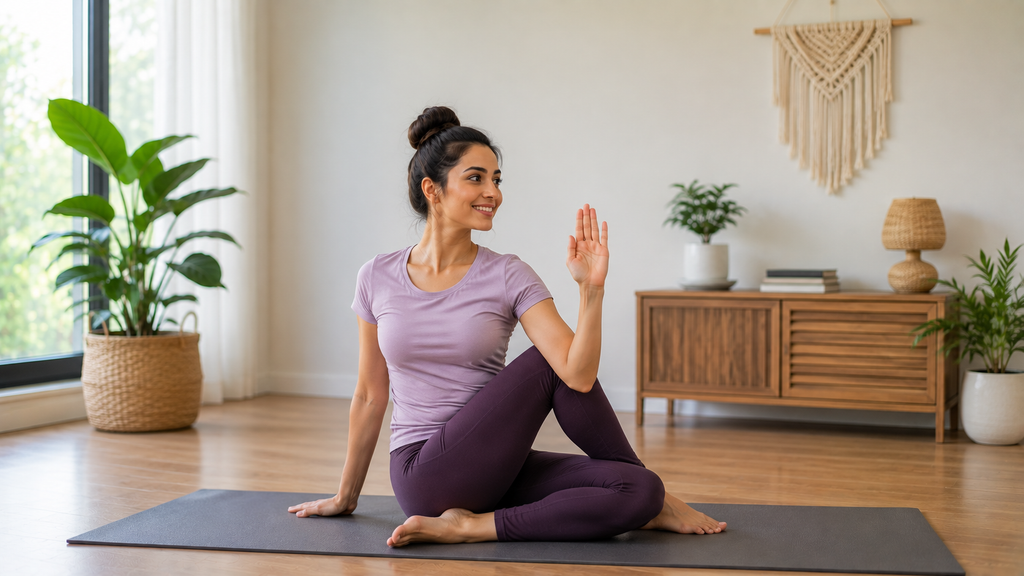
One of the biggest challenges for working women is finding enough time to travel to a yoga studio. A Virtual Yoga Class can remove the need for commuting and allow women to practice yoga from home.
Online classes can be especially convenient for people who have changing work schedules. Depending on the provider, classes may be available at different times or in different formats.
A virtual class can also provide instructor guidance. Beginners can follow along with the teacher instead of trying to remember every movement themselves.
When choosing a Virtual Yoga Class, look for a class that matches your experience level. Beginners should choose classes specifically designed for beginners rather than immediately joining advanced sessions.
Yoga During Office Breaks
You do not always need a full yoga session to move your body. Simple movements can be performed during a suitable work break.
For example, you can:
- Roll your shoulders gently.
- Stretch your arms overhead.
- Move your neck slowly within a comfortable range.
- Stand up and walk for a few minutes.
- Practice gentle seated stretches.
- Take several slow breaths.
These activities should be performed comfortably and should not cause pain.
If your workplace allows it, taking short movement breaks throughout the day can help reduce the amount of uninterrupted sitting.
Morning Yoga for Working Women
Morning can be a convenient time to practice yoga because it allows you to complete your routine before work begins.
A short morning routine can include breathing exercises, gentle stretches, Mountain Pose, Cat-Cow, and a few standing poses.
You do not need to spend an hour practicing yoga. Even a short session can help establish a consistent morning routine.
If mornings are already busy, you can choose another time that works better for your schedule.
Evening Yoga After Work
Some working women may prefer practicing yoga after completing their workday.
An evening session can focus on gentle movements and relaxation rather than intense exercise. Child’s Pose, Butterfly Pose, gentle seated stretches, and Savasana can be suitable options for a relaxing routine.
The goal should be to choose a routine that feels comfortable and fits naturally into your daily schedule.
Tips for Maintaining a Regular Yoga Routine
Set Realistic Goals
Do not start with an unrealistic goal such as practicing for two hours every day. Begin with a manageable amount of time.
Choose a Fixed Time
Practicing at the same time each day can make yoga easier to remember.
Keep Your Yoga Mat Ready
Having your mat in an easily accessible place can reduce the effort required to start your practice.
Use Online Guidance
If you find it difficult to practice independently, a Virtual Yoga Class https://vipaasana.com/can provide structure and instructor guidance.
Start With Beginner-Level Classes
If you are new to yoga, choose classes that match your experience level. You can gradually progress as you become more comfortable.
Do Not Compare Yourself With Others
Flexibility and balance differ from person to person. Focus on your own progress rather than trying to copy someone else’s level.
Common Mistakes to Avoid
Working women who are new to yoga should be careful not to overdo their practice.
One common mistake is trying to perform advanced poses without learning the basics. Another is forcing the body into a position simply because someone else can do it.
Ignoring pain is another mistake. Yoga movements should generally be performed within a comfortable range. If you experience significant pain, stop the activity and consider getting advice from an appropriate healthcare professional.
It is also important not to treat yoga as the only part of a healthy lifestyle. Regular physical activity, balanced nutrition, adequate sleep, and appropriate medical care when needed are all important.
How Long Should Working Women Practice Yoga?
There is no universal amount of time that every working woman needs to practice yoga.
Some people may prefer a 10-minute routine, while others may enjoy 30–45 minutes. The most useful duration is often the one that you can maintain consistently without making your schedule unnecessarily stressful.
If you are new to yoga, starting with short sessions can make it easier to develop the habit.
Yoga and Work-Life Balance
Work-life balance can be challenging when professional and personal responsibilities overlap. Yoga can provide a dedicated period for movement and relaxation.
Instead of thinking about yoga as another task on your to-do list, try to treat it as personal time. Even a short session can create a break between work and other responsibilities.
A Virtual Yoga Class can make this easier because you can join a session without spending additional time traveling.
Safety Tips for Working Women
Before starting yoga, choose a clean and comfortable space where you can move safely.
Warm up with gentle movements before attempting more demanding poses. Avoid forcing stretches and maintain natural breathing.
If you have an existing injury, chronic condition, are pregnant, or have any other health-related concerns, talk to an appropriate healthcare professional about which activities are suitable for you.
Remember that yoga should be adapted to the individual. A pose that feels comfortable for one person may not be appropriate for another.
Conclusion
Yoga can be a practical addition to the busy lifestyle of working women. Simple poses and short routines can help incorporate movement, flexibility, balance, and relaxation into a daily schedule.
You do not need to spend hours practicing yoga or travel to a studio every day. A short routine at home, during an appropriate break, or after work can be enough to begin developing a consistent habit.
For women who have limited time or prefer practicing from home, a Virtual Yoga Class can offer convenient access to guided sessions. The key is to choose a class that matches your experience level and practice at a pace that feels comfortable.
Whether you choose independent practice or online instruction, consistency, proper technique, and listening to your body are important parts of developing a safe and sustainable yoga routine.

