
Modern working women often have to balance professional responsibilities, personal commitments, family time, and their own well-being. With such a busy lifestyle, finding time for regular exercise can sometimes feel difficult. Yoga can be a practical way to include movement, stretching, breathing exercises, and relaxation in a daily routine without requiring a large amount of equipment or space.
Yoga can be practiced at home, in a studio, or through online classes. For working women, online sessions can be particularly convenient because they allow you to choose a workout according to your schedule. Even a short yoga routine can provide an opportunity to step away from work, move the body, and focus on yourself.
Benefits of Yoga for Working Women
One of the biggest advantages of yoga is that it can be adapted to different schedules and fitness levels. Working women do not necessarily need to spend hours exercising. A consistent routine that includes suitable yoga poses and breathing exercises can become a useful part of everyday life.
1. Helps Improve Flexibility
Sitting at a desk for extended periods can make the body feel stiff, particularly around the shoulders, neck, hips, and back. Yoga involves stretching and controlled movements that can help improve flexibility and mobility over time.
Simple poses such as Cat-Cow, Child’s Pose, and seated stretches can be incorporated into a short routine. These movements can be especially useful after spending several hours sitting or working at a computer.

2. Supports Strength and Stability
Yoga is not only about stretching. Many poses require you to support your body weight, which can help develop muscular endurance and stability.
Poses such as Plank, Chair Pose, and Warrior poses can engage different muscle groups. Beginners can start with modified versions and gradually progress as they become more comfortable.
3. Encourages Relaxation
A demanding work schedule can make it difficult to find time to relax. Yoga often combines physical movement with controlled breathing and mindful attention.
Ending a yoga session with a few minutes of slow breathing or relaxation can create a peaceful transition between work and personal time.
4. Supports Better Posture
Working at a desk for long periods may encourage poor sitting habits. Yoga can help you become more aware of your posture and body alignment.
Poses that strengthen the core and upper body, combined with chest and shoulder-opening movements, can complement healthy workplace habits. It is also important to adjust your workstation and take regular movement breaks rather than relying on yoga alone.
5. Can Improve Balance and Body Awareness
Many yoga poses require concentration and controlled movement. Practicing balance poses can help you become more aware of how your body moves and maintains stability.
This can also encourage mindfulness during everyday activities. Over time, you may become more conscious of posture, movement, and physical tension.
Best Yoga Poses for Working Women
Working women can choose poses according to their fitness level, available time, and personal goals. A routine does not need to include dozens of poses. A few simple movements performed consistently can be enough to create a useful daily practice.
Mountain Pose
Mountain Pose is a simple standing posture that can help you focus on alignment and body awareness. Stand upright with your feet comfortably positioned, relax your shoulders, and maintain a steady breathing pattern.
This pose can be used at the beginning of a routine to prepare yourself for movement.
Cat-Cow Pose
Cat-Cow is commonly used as a gentle movement for the spine. Begin on your hands and knees and slowly alternate between the two positions while coordinating the movement with your breathing.
It can be a useful addition to a routine after long periods of sitting.
Child’s Pose
Child’s Pose is a gentle resting posture often used between more active movements. It can help you slow down and focus on comfortable breathing.
Working women can include it toward the end of a short routine or whenever they want a gentle stretch and moment of relaxation.
Downward-Facing Dog
Downward-Facing Dog is a familiar yoga posture that involves the arms, shoulders, legs, and core. Beginners should focus on maintaining a comfortable position rather than trying to force their heels toward the floor.
If the pose feels too demanding, a qualified instructor can provide suitable modifications.
Warrior II
Warrior II is a standing pose that engages the legs and encourages stability. It can be included in a short strength-focused yoga sequence.
Maintain controlled breathing and avoid pushing beyond a comfortable range of motion.
Tree Pose
Tree Pose is a balance posture that can be practiced near a wall or other stable support if needed. Place one foot firmly on the floor and position the other foot at a comfortable level on the standing leg.
Beginners can keep their hands on their hips or use a wall for additional support.
Seated Forward Fold
A seated forward fold can provide a gentle stretch for the back and legs. Avoid forcing yourself to reach your feet. The movement should remain comfortable and controlled.
If you experience discomfort, reduce the range of motion or choose another suitable stretch.
Creating a Daily Yoga Routine
The biggest challenge for many working women is not learning yoga poses but finding a realistic time to practice. A routine should fit naturally into your lifestyle rather than becoming another source of pressure.
You can practice yoga in the morning before work, during a break, or in the evening after completing your responsibilities.
A short routine might begin with two or three minutes of gentle movement and breathing. You can then move through several standing and floor-based poses before finishing with relaxation.
For example, a 20-minute routine could include:
- 2–3 minutes of gentle breathing
- 2 minutes of Cat-Cow
- 3 minutes of standing poses
- 4 minutes of Warrior poses
- 3 minutes of Downward-Facing Dog and gentle stretching
- 3 minutes of Child’s Pose
- 3 minutes of relaxation
This is simply an example. Your routine can be shorter or longer depending on your experience and schedule.
Yoga During the Workday
Yoga does not always have to be a complete workout. Short movement breaks during the workday can also be useful.
If you work at a desk, consider standing up periodically, walking for a few minutes, or performing gentle neck and shoulder movements. Simple seated stretches may also help break up long periods of sitting.
A short breathing exercise can be useful when you want to pause and refocus. The goal is to create regular opportunities for movement rather than remaining in the same position for several hours.
How Online Yoga Can Help Busy Women
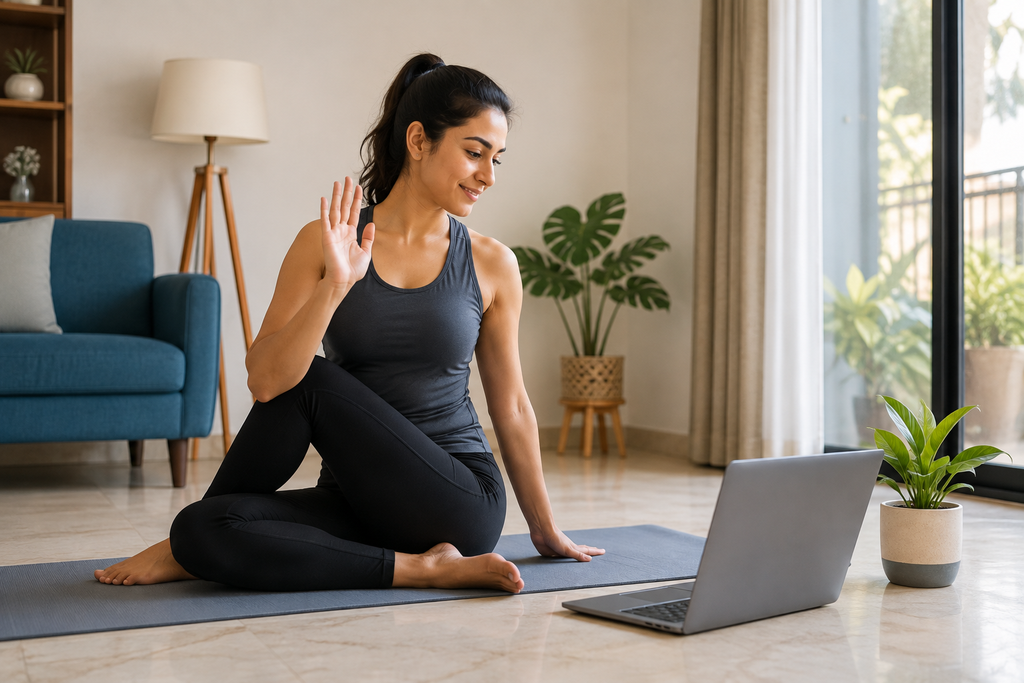
Online yoga can make it easier to fit exercise around a demanding schedule. Instead of travelling to a studio, you can join a class from home or another suitable location.
Women who prefer structured instruction can explore the Best Online Yoga Subscription options available to them and choose classes according to their schedule, experience, and preferred yoga style.
Before subscribing, consider factors such as instructor qualifications, class duration, workout variety, beginner options, live or recorded sessions, pricing, and cancellation terms.
An online class can also provide variety. You may choose a gentle stretching session on a busy day and a longer yoga practice when you have more time.
Nutrition and Hydration for an Active Lifestyle
Yoga is only one part of a healthy lifestyle. Working women should also pay attention to balanced nutrition and hydration.
A balanced eating pattern can include vegetables, fruits, whole grains, protein-rich foods, and healthy sources of fat. Drinking enough water throughout the day is also important.
There is no need to follow an extremely restrictive diet simply because you are practicing yoga. Your nutritional requirements depend on factors such as activity level, age, individual health needs, and lifestyle.
If you have specific dietary requirements or a medical condition, consider speaking with a qualified healthcare or nutrition professional.
How to Stay Consistent With Yoga
Consistency does not necessarily mean practicing for a long time every day. A realistic routine that you can maintain is often easier to follow.
Start with manageable goals. For example, you could practice for 15–20 minutes several times per week. Once the routine becomes familiar, you can adjust the duration or frequency.
You can also connect yoga with an existing habit. For example, practice after your morning tea, after finishing work, or before your evening relaxation routine.
Keeping your yoga mat ready in a convenient location can also reduce the effort required to begin.
Choosing an Online Yoga Program
When selecting an online program, look for instructors who explain movements clearly and provide modifications for different experience levels.
Beginners may benefit from programs that offer basic yoga classes, gentle sessions, and clear instructions. More experienced practitioners may prefer programs with a wider variety of styles and longer sessions.
If you have an injury or medical concern, make sure the program offers suitable modifications and consider professional advice before starting.
The Best Online Yoga Subscription for one person may not be the same for another. Focus on the program’s suitability for your goals, schedule, experience level, and budget rather than choosing solely based on popularity.
Safety Tips for Working Women
Yoga should be practiced comfortably and without forcing the body into positions that cause pain. Beginners should learn movements gradually and pay attention to how their body responds.
Make sure you have enough space to practice safely. Keep the floor clear of objects that could cause you to slip or trip.
If you experience sharp pain, dizziness, or unusual symptoms during a session, stop and seek appropriate guidance. People with existing injuries, medical conditions, or other health concerns should consider consulting a qualified healthcare professional before starting a new exercise routine.
Final Thoughts
Yoga can be a practical addition to a working woman’s lifestyle because it combines movement, stretching, balance, breathing, and relaxation. It can be practiced in short sessions and adapted to different fitness levels and schedules.
The key is to create a routine that feels realistic. You do not need to practice for an hour every day to make yoga part of your lifestyle. Even a short session can provide an opportunity to step away from work and focus on your physical and mental well-being.
Whether you choose to practice independently, attend a studio, or follow online classes, consistency and appropriate instruction are important. Start with simple poses, listen to your body, and gradually build your practice as you become more comfortable.
For busy working women, yoga can become more than just another workout. It can be a convenient way to create regular time for movement, relaxation, and self-care while managing the demands of everyday life.

