
Women often balance multiple responsibilities, including work, family, personal commitments, social activities, and self-care. With such busy routines, finding time for physical activity and relaxation can sometimes become difficult. Yoga offers a practical way to include movement, mindfulness, flexibility, and relaxation in everyday life.
Yoga is suitable for women at different stages of life and with different fitness levels. Whether you are a beginner, a working professional, a homemaker, an active fitness enthusiast, or someone looking for a gentle form of exercise, yoga can be adapted to your needs.
A regular yoga practice can support flexibility, strength, balance, mobility, posture, and body awareness. It can also provide a dedicated opportunity to slow down, focus on breathing, and take a break from everyday stress.
This guide explores the benefits of yoga for women, beginner-friendly yoga poses, wellness tips, ways to build a consistent routine, and practical considerations for making yoga part of a healthy lifestyle.
Why Yoga Is Beneficial for Women
Yoga combines physical movement with breathing and mindfulness. Unlike workouts that focus primarily on intensity, yoga can be practiced at different levels, from gentle and restorative sessions to more active and physically challenging routines.
For women with busy schedules, this flexibility can make yoga easier to incorporate into everyday life.
Some potential benefits of regular yoga practice include:
- Improved flexibility
- Better balance and coordination
- Increased muscular strength
- Improved body awareness
- Support for healthy posture
- Gentle mobility work
- Relaxation and stress management
- A more mindful approach to movement
- Support for an active lifestyle
The results of yoga can vary from person to person, and consistency, practice style, intensity, and individual needs all influence the experience.
Yoga and Women’s Physical Wellness
Women’s bodies go through different physical changes throughout life. Fitness goals can also change over time.
A young adult may want to improve strength and flexibility, while a working professional may be more interested in managing stiffness from long hours of sitting. During later stages of life, maintaining mobility, balance, strength, and overall physical activity may become increasingly important.
Yoga can be modified to suit these different needs.
Instead of following the same routine throughout life, women can adjust their yoga practice according to their current fitness level, schedule, comfort, and goals.

Benefits of Yoga for Women’s Flexibility
Flexibility is one of the most noticeable areas where regular yoga practice can make a difference.
Daily activities, desk work, long periods of sitting, and limited physical movement can contribute to stiffness. Yoga uses controlled stretches and movements to gradually work through different ranges of motion.
Poses involving the hips, hamstrings, shoulders, spine, and legs can be incorporated into a balanced routine.
However, flexibility should not be forced. Beginners should move gradually and avoid comparing their range of motion with someone else’s.
The objective is to become more comfortable with movement over time rather than achieving a particular pose immediately.
Yoga for Strength and Stability
Yoga can also support muscular strength.
Several yoga poses require you to hold your body weight against gravity. Standing postures can engage the legs, while Plank variations and other weight-bearing poses can challenge the arms, shoulders, and core.
Building strength through yoga can also improve stability and body control.
A well-rounded yoga routine may include both stretching and strengthening poses so that the body receives different types of movement.
Yoga and Better Posture
Many women spend significant amounts of time working at desks, using laptops, driving, or looking at mobile devices.
Long periods of sitting can contribute to stiffness and poor posture habits.
Yoga encourages awareness of spinal alignment, shoulder position, hip placement, and overall body posture.
Simple movements such as Cat-Cow, Mountain Pose, gentle chest-opening exercises, and strengthening postures can be incorporated into a routine focused on posture and mobility.
Rather than trying to maintain a rigid posture throughout the day, yoga encourages greater awareness and more comfortable movement.
Yoga and Stress Management
Women’s daily responsibilities can sometimes leave little time for relaxation.
Yoga provides an opportunity to pause and focus on breathing and movement.
Slow yoga sequences, breathing exercises, meditation, and relaxation poses can create a calming experience. While yoga should not be considered a treatment for mental health conditions, it can be one component of a healthy lifestyle that includes relaxation and stress-management habits.
Even a short session can provide a structured break from work, screens, and daily responsibilities.
Best Yoga Poses for Women
There is no single list of poses that is perfect for every woman. The right poses depend on experience, mobility, physical condition, and individual goals.
However, several beginner-friendly poses can form the foundation of a balanced yoga routine.
1. Mountain Pose
Mountain Pose is a simple standing posture that encourages awareness of alignment and balance.
Stand with your feet comfortably grounded and keep your spine naturally tall. Relax your shoulders and breathe steadily.
This pose can be used at the beginning of a session to establish focus.
2. Cat-Cow Pose
Cat-Cow is a gentle movement performed on the hands and knees.
Move slowly between rounding and extending the spine while coordinating the movement with your breathing.
It can be included in a warm-up to encourage gentle spinal mobility.
3. Child’s Pose
Child’s Pose is commonly used as a resting posture during yoga practice.
It can provide a comfortable pause between more active movements.
Beginners can use a cushion or folded blanket for additional comfort if needed.
4. Downward-Facing Dog
Downward-Facing Dog is a well-known yoga posture that involves the arms, shoulders, legs, and back.
Beginners should not worry about completely straightening the legs or placing the heels on the floor.
Focus on maintaining a comfortable position and steady breathing.
5. Warrior II
Warrior II is a standing posture that challenges the legs while encouraging balance and concentration.
It can be included in strength-oriented yoga routines and modified according to your comfort.
6. Bridge Pose
Bridge Pose can engage the muscles around the hips and legs while encouraging controlled spinal movement.
Lie on your back with your knees bent and feet placed comfortably on the floor. Lift the hips gradually while maintaining control.
Avoid forcing the movement or arching the back excessively.
7. Tree Pose
Tree Pose is a simple balance exercise.
Stand on one leg and place the other foot in a comfortable position on the supporting leg. Beginners can keep one hand near a wall for support.
Balance may take time to develop, so wobbling is completely normal.
8. Seated Forward Fold
This seated posture provides a gentle stretch for the back of the body.
Sit with your legs extended and slowly lean forward from the hips. Do not force yourself to reach your toes.
Keeping the knees slightly bent can make the position more comfortable for beginners.
9. Legs-Up-the-Wall Pose
This gentle posture involves resting the legs against a wall while lying comfortably on your back.
It can be included in a relaxation-focused routine and may provide a restful end to a yoga session.
Yoga for Different Stages of Women’s Lives
Yoga can be modified throughout different stages of life.
Yoga for Young Women
Young women may use yoga to complement other physical activities and develop flexibility, strength, balance, and body awareness.
A combination of active yoga sessions and recovery-focused practices can create a balanced routine.
Yoga for Working Women
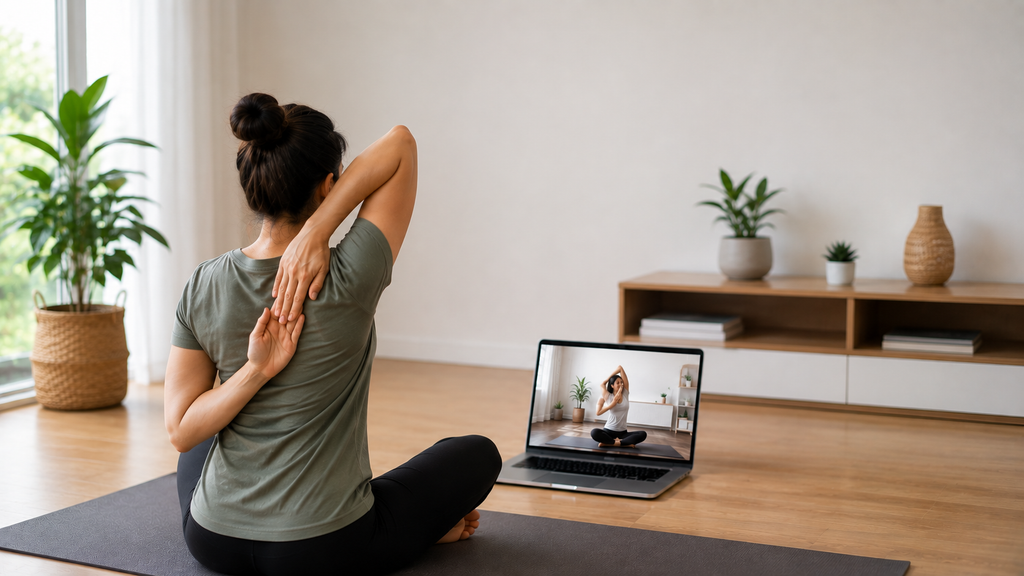
For women who spend several hours working at a desk, yoga can provide useful movement breaks.
Short routines focusing on the neck, shoulders, spine, hips, and legs can be incorporated into the day.
Even a 10–20 minute session may be easier to maintain than a longer workout when schedules are busy.
Yoga During Pregnancy
Pregnancy requires additional care and individualized guidance.
Prenatal yoga may be suitable for some women, but not every yoga pose or practice is appropriate during pregnancy.
Women should consult their healthcare provider and work with an appropriately qualified prenatal yoga instructor before beginning or modifying a routine during pregnancy.
Yoga During Menopause and Later Life
During menopause and later adulthood, maintaining physical activity, strength, balance, flexibility, and mobility can remain important aspects of overall wellness.
Gentle yoga, balance exercises, mobility work, and appropriate strengthening poses can be incorporated according to individual ability.
Women with specific health concerns should seek appropriate professional guidance before beginning a new exercise routine.
How to Build a Yoga Routine
Creating a realistic routine is more important than creating a complicated one.
A beginner-friendly weekly routine could include a combination of different types of yoga.
For example:
Monday: 20–30 minutes of beginner yoga
Tuesday: Gentle stretching or walking
Wednesday: Strength-focused yoga
Thursday: Rest or light mobility
Friday: Flexibility-focused yoga
Saturday: Longer yoga session
Sunday: Gentle recovery or relaxation
This schedule is only an example. Your routine should be adjusted according to your lifestyle, fitness level, and recovery needs.
Yoga at Home for Busy Women
One of the biggest advantages of yoga is that it can be practiced almost anywhere.
You do not necessarily need a large workout area or complicated equipment. A yoga mat and comfortable clothing may be enough for many basic sessions.
Practicing at home can also remove common barriers such as travel time and fixed gym schedules.
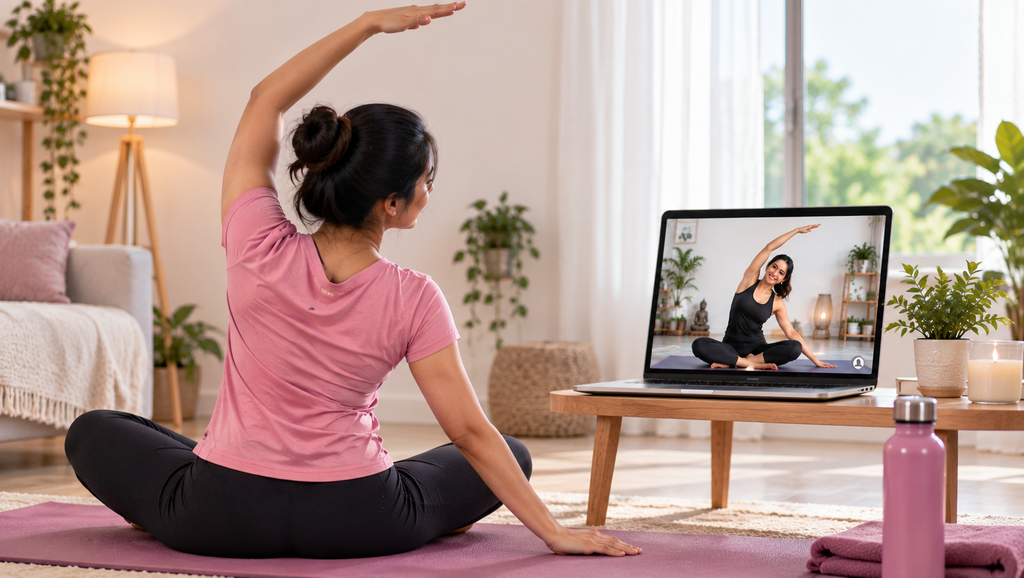
Online guided sessions can make home practice more structured. An online fitness class can be a convenient option for women who want instructor-led workouts while maintaining flexibility around their personal schedules.
When selecting an online program, consider the instructor’s qualifications, class level, session duration, teaching approach, available modifications, and whether the program matches your fitness goals.
Wellness Tips to Make Yoga More Effective
Yoga works best when combined with other healthy lifestyle habits.
Stay Hydrated
Drink enough fluids throughout the day according to your individual needs and activity level.
Eat a Balanced Diet
A nutritious diet provides the energy and nutrients needed to support an active lifestyle.
Prioritize Sleep
Adequate sleep supports physical recovery and overall well-being.
Take Movement Breaks
If you sit for long periods, stand up and move regularly instead of remaining in the same position for hours.
Practice Mindful Breathing
Do not focus only on the physical poses. Pay attention to your breathing and how your body feels.
Allow Time for Recovery
Your body needs rest. Alternate more demanding sessions with gentler movement when appropriate.
Common Yoga Mistakes Women Should Avoid
Beginners sometimes make the mistake of treating yoga like a competition.
Here are some habits to avoid:
Comparing Your Body With Others
Everyone has different levels of flexibility, strength, mobility, and experience.
Forcing Difficult Poses
A deeper stretch is not necessarily a better stretch. Move within a comfortable range.
Ignoring Pain
Mild muscular effort can be normal, but sharp or unusual pain should not be ignored.
Skipping Warm-Ups
Prepare your body before moving into more demanding poses.
Practicing Without Proper Guidance
If you are new to yoga or have specific physical limitations, professional instruction can help you learn appropriate modifications.
Expecting Immediate Results
Flexibility, strength, balance, and movement confidence develop gradually.
How Often Should Women Practice Yoga?
The ideal frequency depends on your goals and schedule.
Some women may prefer short daily sessions, while others may practice three to five times per week.
Beginners can start with shorter sessions and gradually increase duration and intensity.
Consistency is usually more sustainable than trying to complete long sessions occasionally.
If your schedule is busy, even a short practice can help you maintain the habit.
Combining Yoga With Other Exercise
Yoga does not have to be your only form of exercise.
It can complement walking, strength training, dancing, cycling, swimming, or other suitable activities.
For example, strength training can focus on progressive resistance, while yoga can provide mobility, balance, flexibility, and mindful movement.
A combination of different forms of exercise can help create a more complete fitness routine.
How to Stay Consistent With Yoga
Building a long-term habit requires realistic expectations.
Choose a time that works for your daily schedule. Keep your yoga mat ready and create a comfortable space for practice.
You can also set small goals.
Instead of saying, “I will practice for one hour every day,” begin with a goal such as practicing for 15–20 minutes three times a week.
As the habit becomes easier, you can gradually increase your practice.
Tracking your sessions can also help you recognize progress.
Your progress may appear as better balance, easier movement, increased flexibility, improved strength, or simply greater consistency.
Safety Considerations
Yoga is generally adaptable, but it should still be practiced with awareness.
Warm up before more active sessions and learn proper alignment for unfamiliar poses.
If you have an injury, persistent pain, are pregnant, have recently undergone surgery, or have a medical condition that could affect exercise, consult an appropriate healthcare professional before starting a new yoga routine.
A qualified instructor can also help you modify poses according to your individual needs.
Final Thoughts
Yoga can be a valuable part of women’s wellness at different stages of life. It can support flexibility, strength, balance, mobility, posture, body awareness, and relaxation while offering a practical way to stay active.
The most important thing is to find a routine that fits your lifestyle and current ability.
You do not need to be flexible before starting yoga. You do not need advanced equipment or hours of free time. Start with simple poses, practice consistently, listen to your body, and gradually build your confidence.
Whether you choose home practice, studio sessions, or guided online workouts, make your routine realistic and enjoyable. With patience and consistency, yoga can become more than an exercise session—it can become a sustainable part of your overall wellness routine.
Most importantly, remember that wellness is personal. The best yoga practice is one that supports your individual needs, respects your body’s limits, and encourages you to keep moving toward a healthier and more balanced lifestyle.

