Polycystic Ovary Syndrome (PCOS) is a common hormonal condition that can affect menstrual cycles, skin health, metabolism, fertility, and emotional well-being. Many women experience irregular periods, acne, unwanted facial hair, weight changes, fatigue, or difficulty managing stress. Although PCOS can feel overwhelming, developing a sustainable lifestyle routine can help support overall health and improve quality of life.
Yoga is one approach that combines gentle physical movement, controlled breathing, relaxation, and mindfulness. Practising suitable poses at home can help beginners improve flexibility, maintain physical activity, and manage everyday stress. However, yoga is not a guaranteed cure for PCOS, and its effects can differ from person to person.
This guide explores how yoga may support women with PCOS, which gentle poses beginners can try, and how to create a practical home routine without putting unnecessary pressure on the body.
Understanding PCOS and Its Common Symptoms
Polycystic Ovary Syndrome is a complex hormonal and metabolic condition that affects women during their reproductive years. It may involve irregular ovulation, higher levels of androgens, and changes in the way the body manages insulin. Despite its name, having PCOS does not necessarily mean that a woman has ovarian cysts.
Symptoms vary considerably. Some women experience irregular or missed periods, while others notice acne, increased facial hair, thinning scalp hair, or weight changes. PCOS may also be associated with insulin resistance, which can affect how the body processes glucose.
Emotional health deserves attention, too. Concerns about appearance, fertility, menstrual irregularities, or long-term health can contribute to anxiety and reduced confidence. Managing PCOS therefore involves more than focusing on weight or individual symptoms.
A personalised approach may include medical guidance, balanced nutrition, regular physical activity, adequate sleep, and stress management. Yoga can form one part of this broader approach, alongside any treatment recommended by a qualified healthcare professional.
How Yoga May Support Women With PCOS
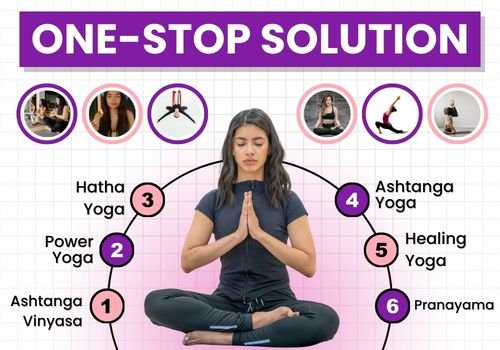
Yoga combines physical postures, breathing techniques, and relaxation exercises. These elements may support several aspects of health that are relevant to PCOS, particularly stress management, physical activity, flexibility, and general well-being.
Research into Yoga for PCOS has reported promising findings in some areas, including psychological well-being and certain metabolic and menstrual outcomes. However, the available studies are limited in number and vary in their methods. More high-quality research is needed before specific yoga poses can be recommended as a proven treatment for hormonal imbalance.
Regular yoga practice may help women establish a consistent movement routine without immediately starting high-intensity workouts. Gentle stretching can reduce feelings of stiffness, while mindful breathing and relaxation may help calm the body after a stressful day.
Yoga can also encourage a healthier relationship with exercise. Instead of viewing movement only as a way to lose weight, beginners can focus on building strength, improving mobility, and feeling more comfortable in their bodies.
The most useful routine is one that suits an individual’s fitness level, preferences, and health needs. Consistency and comfort matter more than performing advanced poses.
Benefits of Gentle Yoga for Stress Management
Stress can affect sleep, mood, appetite, and everyday energy levels. Women managing PCOS may experience additional emotional pressure because symptoms can be unpredictable or difficult to discuss.
Gentle yoga provides an opportunity to slow down and pay attention to breathing and physical sensations. Practising slowly, without competing against others or forcing difficult movements, may help some women feel calmer and more relaxed.
Breathing exercises can be particularly useful when incorporated into a daily routine. Sitting comfortably and breathing gently through the nose may help create a short pause between work, household responsibilities, and personal commitments.
Yoga does not eliminate every source of stress, nor does it replace professional mental health support when needed. However, combining gentle movement with relaxation can become a useful part of a wider self-care plan.
Gentle Yoga Poses Beginners Can Practise at Home
Women new to yoga do not need to start with complicated postures or long sessions. A few accessible poses, performed with proper technique and comfortable breathing, can provide a practical starting point.
The following poses are suitable options for many beginners. Individual needs differ, so anyone with injuries, significant pain, pregnancy-related concerns, or other medical limitations should seek appropriate guidance before starting.
1. Baddha Konasana (Butterfly Pose)
Butterfly Pose is a seated posture that gently stretches the inner thighs and groin. It is often included in beginner yoga routines because it can be adapted to different flexibility levels.
To practise, sit on a yoga mat with your legs extended in front of you. Bend your knees and bring the soles of your feet together. Allow your knees to move outward naturally, keeping your spine comfortably upright.
Hold your feet or ankles without pulling forcefully. Relax your shoulders and breathe slowly for 30–60 seconds. You can place cushions under your knees if they feel uncomfortable.
This posture may help improve hip mobility and encourage relaxation. Although it is commonly associated with reproductive wellness, there is not enough evidence to claim that it directly stimulates the ovaries or corrects hormonal imbalances.
Avoid pressing your knees down or forcing your body into a deeper stretch. The aim is gentle movement, not maximum flexibility.
2. Balasana (Child’s Pose)
Child’s Pose is a restorative posture that allows the body to relax while gently stretching the back and hips. It can be a helpful option after a more active movement or whenever you need a comfortable pause.
Begin on your hands and knees. Slowly move your hips towards your heels and extend your arms forward, resting your forehead on the mat if comfortable. You may keep your knees apart to create more room for your torso.
Breathe naturally and remain in the pose for 30–60 seconds. If your knees or ankles feel strained, place a folded blanket beneath them or use cushions for support.
Child’s Pose encourages slower breathing and can help reduce the feeling of physical tension. It is not a treatment for PCOS itself, but it may make a home yoga session more relaxing and accessible.
If you experience knee pain, dizziness, or discomfort around the abdomen, adjust the posture or choose another resting position.
3. Marjaryasana-Bitilasana (Cat-Cow Pose)
Cat-Cow is a gentle movement sequence that encourages spinal mobility and coordination between breathing and movement. It is generally easy to learn and does not require advanced flexibility.
Start on your hands and knees, placing your wrists approximately beneath your shoulders and your knees beneath your hips. As you inhale, gently lift your chest and tailbone while allowing your abdomen to relax. As you exhale, round your back comfortably and bring your chin slightly towards your chest.
Repeat slowly for six to ten cycles, moving only within a comfortable range.
This sequence can help reduce stiffness associated with prolonged sitting and encourage body awareness. It may be particularly convenient for women who work at desks or spend much of the day sitting.
Avoid pushing your back into an extreme arch or rounding it forcefully. Keep the movement smooth, and stop if you experience sharp pain.
4. Setu Bandhasana (Bridge Pose)
Bridge Pose is a beginner-friendly posture that engages the gluteal muscles and encourages controlled movement through the hips. It can add a gentle strengthening element to a home yoga routine.
Lie on your back with your knees bent and your feet flat on the floor, approximately hip-width apart. Keep your arms beside your body and your neck relaxed.
As you exhale, press through your feet and slowly lift your hips to a comfortable height. Keep your knees pointing forward and avoid allowing them to fall outward. Hold briefly while breathing normally, then lower your hips slowly.
Repeat five to eight times if comfortable.
Bridge Pose can contribute to general muscle strength and movement control. However, claims that this posture directly balances reproductive hormones or treats PCOS should not be considered established medical facts.
Avoid turning your head while holding the pose. If you have neck or back problems, ask a qualified professional whether this posture is suitable for you.
5. Sukhasana (Easy Pose) With Mindful Breathing
Easy Pose is a comfortable seated position that can be used for breathing exercises and meditation. It is especially useful for beginners who want to finish a session with a few quiet minutes.
Sit cross-legged on a mat or cushion, keeping your spine naturally upright. If sitting on the floor is uncomfortable, sit on a stable chair with both feet resting on the ground.
Relax your shoulders and jaw. Breathe gently through your nose without deliberately forcing deep inhalations. Pay attention to the natural rhythm of your breath for two to five minutes.
Whenever your mind wanders, bring your attention back to breathing without criticising yourself.
This practice may support relaxation and help some people manage stress or anxiety. If concentrating on breathing makes you uncomfortable, return to normal breathing or keep your eyes open.
6. Viparita Karani (Legs-Up-the-Wall Pose)
Legs-Up-the-Wall is a restorative posture that allows you to rest while your legs are supported. It can be a relaxing addition to a gentle evening routine.
Sit sideways next to a wall, then carefully lie back and bring your legs upward against the wall. Adjust your distance from the wall until the position feels comfortable. A folded blanket beneath your head may provide additional support.
Remain in the position for two to five minutes while breathing naturally. To come out, bend your knees, roll gently onto your side, and sit up slowly.
This pose may help you unwind after a long day. It should not be presented as a method of increasing fertility, improving ovarian function, or correcting hormone levels.
Avoid this posture if it causes pressure, pain, dizziness, or other symptoms. Seek medical advice if you have a condition that makes inverted or elevated-leg positions unsuitable.
7. Shavasana (Corpse Pose)
Shavasana is a resting posture commonly used at the end of a yoga session. It provides an opportunity to relax without maintaining a demanding physical position.
Lie comfortably on your back with your arms resting beside your body and your legs relaxed. Use a cushion beneath your knees if that helps your lower back feel more comfortable.
Close your eyes if you wish, and allow your breathing to remain natural. Spend three to five minutes noticing areas of tension and letting your muscles soften without forcing relaxation.
Shavasana can help bring a sense of closure to your practice and make it easier to transition back into daily activities.
If lying flat feels uncomfortable, rest on your side or sit in a supportive chair instead.
Creating a Beginner-Friendly Home Routine
A structured routine can make it easier to turn yoga into a regular habit. You do not need an elaborate setup or a long workout to begin. A quiet space, a comfortable mat, and clothing that allows you to move freely are usually sufficient.
If you are new to exercise, start with a short session and increase the duration gradually as your comfort and stamina improve. The following routine takes approximately 20 minutes and combines gentle mobility, stretching, breathing, and relaxation.
Minutes 1–3: Comfortable breathing
Sit on a cushion or chair. Relax your shoulders and take natural, unforced breaths. Allow yourself to settle before starting the movements.
Minutes 4–6: Cat-Cow Pose
Move slowly between the two positions, coordinating each movement with your breathing. Keep your range of motion comfortable.
Minutes 7–9: Butterfly Pose
Sit upright with the soles of your feet together. Relax your hips and avoid forcing your knees towards the floor.
Minutes 10–12: Child’s Pose
Rest in a supported position and breathe naturally. Use cushions if needed to reduce pressure on your knees or hips.
Minutes 13–15: Bridge Pose
Perform five to eight controlled repetitions, resting between repetitions if necessary. Skip this pose if it causes discomfort.
Minutes 16–18: Legs-Up-the-Wall or comfortable seated rest
Choose the position that feels best for your body. Focus on relaxing rather than achieving a particular stretch.
Minutes 19–20: Shavasana
Finish by resting quietly and allowing your breathing to return to its normal rhythm.
This sequence is a starting point rather than a fixed prescription. You can shorten it on busy days or replace any uncomfortable pose with gentle seated movement.
Women looking for more structured guidance may explore Online Yoga Classes that offer beginner-level instruction, pose modifications, and opportunities to ask questions. Choose a class that prioritises safe technique and individual comfort rather than promising a cure for PCOS.
How Often Should Beginners Practise Yoga for PCOS?
For many beginners, practising for 10–20 minutes on several days each week can be a manageable starting point. The frequency can increase gradually depending on your schedule, energy levels, and physical comfort.
The purpose is to build a sustainable movement habit, not to complete the longest session possible. A shorter routine that you can maintain is often more practical than an intense programme that leaves you exhausted.
As your confidence improves, you can gradually add other forms of activity, such as walking, swimming, cycling, or strength training. General physical activity guidelines encourage adults to work towards 150–300 minutes of moderate-intensity aerobic activity each week, alongside muscle-strengthening activities on at least two days. Start at a level appropriate for your health and fitness, and build up gradually.
Yoga can contribute to an active lifestyle, but gentle stretching alone may not provide all the cardiovascular and muscle-strengthening activity you need.
Pcos and Yoga: Building a Balanced Lifestyle
The relationship between pcos and yoga is best understood as one part of a broader lifestyle approach. Yoga may help support relaxation, mobility, and consistency with physical activity, but it should not be expected to resolve every symptom.
Nutrition, sleep, stress management, and appropriate medical care also matter. A balanced eating pattern that includes vegetables, fruits, whole grains, protein sources, and healthy fats can support general health. There is no single diet that works best for every woman with PCOS, so individual preferences and medical needs should guide food choices.
Sleep deserves similar attention. Maintaining a regular sleep schedule and creating a relaxing bedtime routine may improve energy and help with daily functioning. Women who experience persistent fatigue or symptoms of sleep apnoea should discuss them with a healthcare professional.
Medical treatment should be tailored to individual symptoms and goals. Depending on the situation, a clinician may recommend treatment for irregular periods, acne, excess hair growth, insulin resistance, or fertility concerns.
A balanced lifestyle does not mean following every routine perfectly. It means identifying manageable habits that can be maintained over time without unnecessary guilt or pressure.
Pcod Ke Liye Exercise: Choosing Movement That Feels Sustainable
When considering pcod ke liye exercise, it is helpful to look beyond individual poses and focus on an overall routine that includes different types of movement.
Yoga may be a comfortable starting point for women who are new to exercise or prefer lower-impact activities. Walking can provide accessible aerobic movement, while appropriate resistance exercises help maintain muscle strength.
There is no single exercise that is best for every woman with PCOS. The ideal choice depends on fitness level, personal preferences, available time, injuries, and health conditions.
For example, someone who spends most of the day sitting might begin with a 10-minute walk and a short yoga session. Another person who already exercises regularly might combine yoga with brisk walking and two weekly strength-training sessions.
Exercise should not be used as punishment for weight gain or as a requirement to earn food. The goal is to support long-term health, physical capacity, and well-being.
If exercise causes unusual breathlessness, chest pain, faintness, or severe discomfort, stop and seek appropriate medical assessment.
Common Mistakes to Avoid During Home Yoga Practice
Beginners sometimes assume that a yoga pose is effective only when it looks advanced or creates a strong stretch. In reality, forcing the body into a difficult position can increase the risk of injury and make the routine harder to maintain.
Avoid comparing your flexibility, body shape, or progress with online videos. Different bodies have different ranges of motion, and a pose that looks simple for one person may require modifications for another.
Do not hold your breath while stretching or strengthening. Keep breathing naturally and move slowly, especially when learning a new posture.
Another common mistake is expecting immediate changes in periods, weight, skin, or hormone levels. PCOS symptoms can fluctuate, and improvements cannot be guaranteed through yoga alone.
It is also important not to stop prescribed medication or delay medical care because a yoga routine appears to be helping. Complementary practices work best when they fit safely alongside appropriate healthcare.
Finally, avoid exercising through sharp pain. Rest, modify the pose, or seek professional advice if a movement repeatedly causes discomfort.
How Online Guidance Can Help Beginners
Learning yoga at home can be convenient, particularly for women balancing work, family responsibilities, and personal health goals. However, online videos differ in quality, teaching style, and suitability for beginners.
Look for sessions that explain the purpose of each pose, demonstrate safe alignment, offer easier variations, and remind participants to stop if they feel pain. A qualified instructor should encourage gradual progress rather than promise specific hormonal results.
Online Yoga Classes may also provide a regular schedule that helps you stay consistent. Live sessions can offer opportunities to ask questions and receive guidance, while recorded classes allow you to practise at a convenient time.
Before enrolling, check whether the programme is appropriate for your experience level and whether the instructor provides modifications for common physical limitations. If you have significant symptoms or additional health concerns, seek advice from your healthcare professional before beginning.
When Should You Consult a Healthcare Professional?
Yoga can support general well-being, but it cannot diagnose PCOS or replace medical assessment. If you experience persistent irregular periods, prolonged gaps between periods, new or worsening facial hair, significant acne, or unexplained changes in weight, arrange an appointment with a qualified healthcare professional.
A clinician can assess your symptoms, consider other possible causes, and recommend suitable investigations or treatment. PCOS management should reflect your individual symptoms, reproductive goals, metabolic health, and preferences.
Women with PCOS who are trying to conceive should seek appropriate fertility advice rather than relying on particular yoga poses. Similarly, anyone experiencing severe pelvic pain, unusually heavy bleeding, fainting, or sudden severe symptoms should seek prompt medical attention.
If you have an existing injury, are pregnant, or have a medical condition that limits physical activity, ask a qualified professional which movements are suitable. Yoga should feel manageable and supportive, not painful or overwhelming.
Conclusion: Start Your PCOS Wellness Journey Gently
A beginner-friendly yoga routine can be a practical way to introduce more movement, relaxation, and mindful breathing into everyday life. Gentle poses such as Butterfly Pose, Child’s Pose, Cat-Cow, Bridge Pose, and Shavasana offer accessible options for many beginners.
The potential benefits of yoga for women with PCOS include improved flexibility, greater awareness of breathing, support for stress management, and an opportunity to develop a consistent exercise habit. Research is encouraging in some areas, but evidence remains limited, and yoga should not be considered a cure for hormonal or menstrual problems.
Start with a routine that suits your current ability, make modifications when needed, and increase activity gradually. Combine yoga with balanced nutrition, adequate sleep, other appropriate forms of exercise, and medical care tailored to your needs.
Most importantly, give yourself time to develop a routine that feels sustainable. Progress is not measured by how advanced your poses look, but by how comfortably and consistently you can care for your overall health.