
We live in an age of unprecedented distraction. Smartphones ping constantly with notifications, social media algorithms compete ruthlessly for our attention, streaming services offer endless entertainment, and the always-on work culture demands our mental presence around the clock. The average person now checks their phone over 100 times daily, switches between tasks every few minutes, and experiences what researchers call “continuous partial attention”—a state of perpetual distraction where we’re never fully present for anything.
This fragmented attention isn’t just annoying; it’s rewiring our brains, diminishing our capacity for deep work, meaningful connection, and sustained focus. The consequences ripple through every aspect of life—reduced productivity, shallow relationships, increased anxiety, creative stagnation, and a pervasive sense of being overwhelmed yet somehow accomplishing nothing meaningful.
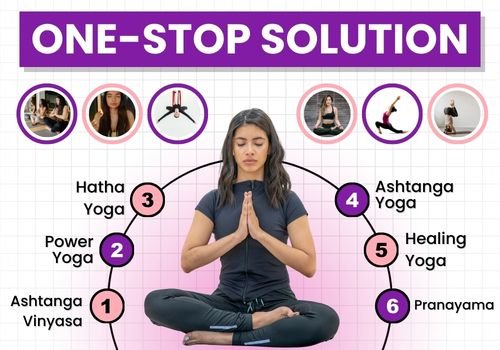
In this context, yoga emerges not as an escape from digital life but as an essential practice for reclaiming our attention, rebuilding our capacity for focus, and developing the mental discipline required to thrive in a distracted world. Accessible yoga courses online provide structured pathways for cultivating this increasingly rare and valuable skill.
Understanding the Attention Crisis
Before exploring yoga’s solutions, it’s important to understand what’s happening to our brains. Digital technology exploits fundamental aspects of human psychology. Variable rewards (like unpredictable social media notifications) trigger dopamine release, creating addictive patterns. The constant stream of novel information activates our evolutionary bias toward new stimuli, making sustained focus on single tasks feel increasingly difficult. Multitasking—which is actually rapid task-switching—creates cognitive costs that reduce both efficiency and depth of understanding.
Neuroscience research reveals disturbing trends. Our average attention span has decreased dramatically over recent decades. Brain imaging shows that heavy digital media users demonstrate reduced grey matter in regions responsible for cognitive control. The capacity for sustained, undivided attention—what psychologist Mihaly Csikszentmihalyi calls “flow”—is becoming increasingly rare despite being essential for meaningful work, learning, and creativity.
Yoga offers a powerful counterbalance. Unlike willpower-based approaches that inevitably fail, yoga systematically trains the neurological, physiological, and psychological foundations of attention through physical practice, breathing techniques, and meditation.
How Yoga Rebuilds Your Capacity for Focus
Yoga enhances focus through multiple complementary mechanisms that address different aspects of attention.
Neuroplasticity and Brain Structure: Research using MRI technology shows that consistent yoga practice increases grey matter density in the hippocampus (memory and learning), prefrontal cortex (executive function and decision-making), and posterior cingulate cortex (mind-wandering regulation). These structural changes directly enhance your capacity to sustain attention and resist distraction.
Nervous System Regulation: Digital overload keeps your sympathetic nervous system activated—the “fight or flight” response that makes calm focus impossible. Yoga activates the parasympathetic nervous system, creating the physiological state where sustained attention becomes effortless rather than exhausting.
Present Moment Training: Every yoga pose requires attention to multiple simultaneous factors—alignment, breath, sensation, balance. This multi-dimensional awareness trains exactly the attentional muscles that digital distraction atrophies. Comprehensive yoga courses online provide progressive practices that systematically develop this capacity.
Breath-Attention Connection: Yogic breathing techniques directly influence mental states. Slow, controlled breathing activates brain regions associated with attention and emotion regulation while quieting areas responsible for mind-wandering and distraction.
Essential Yoga Practices for Digital-Age Focus
Balance Poses: Forced Presence
Balance poses like Tree Pose, Eagle Pose, and Warrior III demand complete present-moment attention. Your mind cannot wander to your email inbox or tomorrow’s deadline—even a moment of mental distraction causes immediate physical wobbling. This forced presence provides powerful training for sustaining attention despite internal distractions.
Begin with basic Tree Pose: stand on one leg, place the opposite foot on your inner thigh or calf, bring your hands to a prayer position at your chest, and fix your gaze on a single point. Hold for 30-60 seconds per side, noticing when your mind wanders and gently redirecting attention to your breath and balance. Gradually progress to more challenging variations as your focus strengthens.
Quality yoga courses online offer progressive balance sequences that systematically build your capacity for sustained attention through increasingly challenging poses.
Flowing Sequences: Training Attentional Flexibility
While balance poses develop sustained focus, flowing sequences like Sun Salutations train attentional flexibility—the ability to smoothly shift focus between different objects without distraction or mental residue. Each position in the sequence requires brief, complete attention before transitioning to the next.
Practice 5-10 Sun Salutations with complete mental presence, coordinating each movement with breath. Notice the quality of your attention—when it drifts to planning, worrying, or judging, simply return to the sensations of movement and breath. This practice of noticing distraction and returning attention mirrors exactly what’s required for focused work in a distraction-rich environment.
Breathwork: Direct Attention Training
Pranayama (yogic breathing) provides the most direct attention training. Techniques like counting breaths, alternate nostril breathing, or breath retention require sustained focus on subtle internal sensations—training that directly transfers to maintaining attention on challenging mental work.
Box Breathing for Focus: Inhale for four counts, hold for four counts, exhale for four counts, hold for four counts. Repeat for 2-5 minutes. This technique, used by Navy SEALs for maintaining focus under extreme stress, calms the nervous system while training sustained attention. The moment your mind wanders, and you lose count, you’ve received immediate feedback about attentional lapses—unlike most activities where distraction goes unnoticed.
Alternate Nostril Breathing: This balancing technique harmonises the brain’s hemispheres while demanding sustained attention to the breathing pattern. Close the right nostril, inhale through the left; close the left nostril, exhale through the right; inhale through the right; close the right, exhale through the left. Continue for 3-5 minutes. Many practitioners report that this single practice dramatically improves their capacity for focused work.
Meditation: The Ultimate Focus Training
Meditation is essentially attention training disguised as spiritual practice. The instruction “focus on your breath, notice when your mind wanders, return your attention” directly develops the exact skill required for maintaining focus amid digital distraction.
Start with just five minutes daily. Sit comfortably, close your eyes, and focus on the sensation of breathing. When you notice your mind has wandered (to planning, remembering, worrying, or any thought), simply return attention to breath without judgment. The wandering isn’t failure—the moment you notice distraction and return attention is the “rep” that strengthens your focus muscles.
Research shows that just eight weeks of daily meditation practice produces measurable improvements in sustained attention, working memory, and the ability to filter distractions. Structured programs available through yoga courses online provide guided meditations with progressive difficulty, ensuring you develop skills systematically rather than becoming frustrated and quitting.
Creating a Focus-Building Practice Routine
For maximum impact on your attention capacity, establish a consistent routine combining different elements:
Morning Foundation (15-20 minutes): Begin your day with 3-5 Sun Salutations to wake your body and focus your mind. Practice 5 minutes of pranayama (box breathing or alternate nostril breathing) to establish calm alertness. Complete with 5-10 minutes of breath-focused meditation to set attentional intention for your day.
This morning sequence establishes a focused baseline that influences your entire day. You’re less susceptible to distraction, more capable of deep work, and better able to notice and resist the pull of digital interruptions.
Midday Reset (5-10 minutes): Use your lunch break or a mid-afternoon slump for a brief practice. Hold a balance pose like Tree or Warrior III for 1-2 minutes per side. Practice 5 minutes of box breathing or another pranayama technique. This midday reset prevents the gradual deterioration of focus that typically occurs as the day progresses.
Evening Integration (20-30 minutes): After work, practice a more comprehensive sequence including strength-building poses, hip openers, forward folds, and longer meditation. This session processes the day’s mental accumulation while reinforcing your developing capacity for sustained attention.
Weekend Deep Practice: Dedicate 60-90 minutes on weekend mornings to longer, more challenging practices that push your attentional boundaries. This might include extended meditation sessions, challenging balance sequences, or complex breathing practices.
Addressing Digital Habits Alongside Yoga Practice
Yoga builds attentional capacity, but you must also reduce unnecessary drains on that capacity. Complement your practice with strategic digital habits:
Device-Free Zones: Keep your bedroom, dining area, and yoga space completely free of screens. These physical boundaries support the mental boundaries you’re building through practice.
Notification Management: Disable all non-essential notifications. Check email and messages at scheduled times rather than responding to constant interruptions. This single change can double your effective focus time.
Single-Tasking Commitment: Use the sustained attention you’re developing through yoga to work on one task at a time, giving it complete focus for defined periods (try 25-minute intervals using the Pomodoro Technique).
Technology Sabbaths: Designate regular periods—perhaps Sunday mornings or one evening weekly—as completely technology-free time for reading, nature walks, conversation, or extended yoga practice.
Measuring Your Progress
Unlike physical flexibility, attention improvements can be subtle. Track your development through:
Balance Progress: How long can you hold challenging balance poses without wobbling? Increased balance time directly reflects improved sustained attention.
Meditation Duration: How long can you sit in meditation before restlessness becomes overwhelming? Gradual increases indicate growing attentional stamina.
Distraction Awareness: Are you noticing distractions more quickly? Increased awareness of mind-wandering paradoxically indicates progress—you’re becoming more sensitive to attentional lapses.
Work Quality: Are you completing deep work more quickly? Can you maintain focus on challenging tasks for longer periods? These real-world improvements are the ultimate measure of success.
The Paradox of Yoga Courses
There’s an apparent contradiction in using digital technology—yoga courses online—to develop focus and reduce digital distraction. However, this represents skilful use of technology rather than passive consumption. You’re using digital tools intentionally, for defined periods, toward meaningful goals rather than being used by algorithms designed to maximise your engagement regardless of your wellbeing.
Quality online courses provide structure, expert guidance, and progressive development that make consistent practice realistic for people with demanding modern lives. The key is approaching these resources mindfully—scheduling specific practice times, using devices exclusively for practice during those periods, and then intentionally disconnecting afterward.
Long-Term Transformation
The focus you develop through consistent yoga practice extends far beyond your mat. Practitioners consistently report enhanced productivity and work quality, improved reading comprehension and learning capacity, deeper engagement in conversations and relationships, greater enjoyment of simple experiences, reduced anxiety and mental clutter, and increased creative output and problem-solving ability.
These aren’t minor quality-of-life improvements—they’re fundamental transformations in how you experience and engage with the world. In a society where attention has become our scarcest and most valuable resource, the capacity for sustained, undivided focus becomes a profound competitive advantage and path to meaningful life.
Conclusion
Digital distraction isn’t a character flaw requiring more willpower—it’s a systemic challenge requiring systematic solutions. Yoga provides exactly that: a comprehensive, time-tested practice for developing the attentional capacity that technology erodes. Through balance poses that demand presence, flowing sequences that train flexible attention, breathing practices that calm and focus the mind, and meditation that directly strengthens attentional muscles, yoga systematically rebuilds your capacity for deep focus.
In our distracted digital world, this capacity for sustained attention isn’t a luxury—it’s essential for meaningful work, genuine relationships, creative contribution, and personal wellbeing. The structured guidance available through yoga courses online makes this transformative practice accessible regardless of your schedule, location, or experience level. Your attention is the foundation of your life. Reclaim it through yoga, and discover what becomes possible when you can finally focus deeply on what truly matters.