
Starting something new can often feel challenging, especially when you are not sure where to begin. Yoga is one such practice that may look complicated when you see advanced poses, flexible practitioners, or difficult-looking movements online. However, yoga is not about touching your toes, performing complicated poses, or being extremely flexible. It is about connecting your body, breath, and mind while gradually improving your overall well-being.
For beginners, yoga can be a simple and enjoyable way to become more active, improve flexibility, develop strength, reduce everyday stress, and create a healthier lifestyle. Whether you want to practice yoga for fitness, relaxation, better posture, or mental wellness, you can start from the comfort of your home with a few basic guidelines.
This complete guide will help you understand what yoga is, how to begin, which poses are suitable for beginners, how often you should practice, and how to build a sustainable yoga routine.
What Is Yoga?
Yoga is an ancient practice that combines physical postures, breathing techniques, mindfulness, and relaxation. While many people initially discover yoga through physical poses, the practice goes beyond exercise.
A regular yoga routine can encourage better body awareness and mindful movement. It teaches you to pay attention to your breathing, posture, balance, and how your body feels during different movements.
For beginners, the most important thing is not to focus on performing every pose perfectly. Instead, focus on learning the basic movements, breathing comfortably, and understanding your body’s limitations.
Yoga can be adapted for people with different fitness levels. You can practice gentle yoga, beginner yoga, mobility-focused routines, or more active styles depending on your comfort and goals.

Why Should Beginners Start Yoga?
Yoga can be a valuable addition to your daily routine because it combines movement and mindfulness in one practice. You do not need a gym membership or expensive equipment to get started.
Some potential benefits of maintaining a regular yoga practice include:
1. Improves Flexibility
Many beginners start yoga because they feel stiff or have limited flexibility. Gentle stretching and regular movement can gradually improve your range of motion.
You do not need to be flexible before starting yoga. Flexibility develops through consistent and comfortable practice.
2. Builds Strength
Yoga is not only about stretching. Several yoga poses require you to support your body weight, which can help develop functional strength.
Poses such as Plank, Chair Pose, and Warrior variations can engage the arms, legs, shoulders, abdomen, and back.
3. Supports Better Posture
Spending long hours sitting at a desk can affect your posture and create stiffness in the neck, shoulders, and back.
Yoga encourages body awareness and includes movements that strengthen and stretch different muscle groups involved in maintaining good posture.
4. Helps You Relax
One of the reasons yoga has become popular among busy professionals is its combination of movement and conscious breathing.
Slow breathing and relaxation practices can help you create a calm transition between a busy day and a more relaxed state.
5. Encourages Mindfulness
Yoga encourages you to stay present rather than constantly thinking about past or future events.
During practice, you focus on your breathing, body position, and movement. This can make your yoga session feel like a break from everyday distractions.
6. Supports an Active Lifestyle
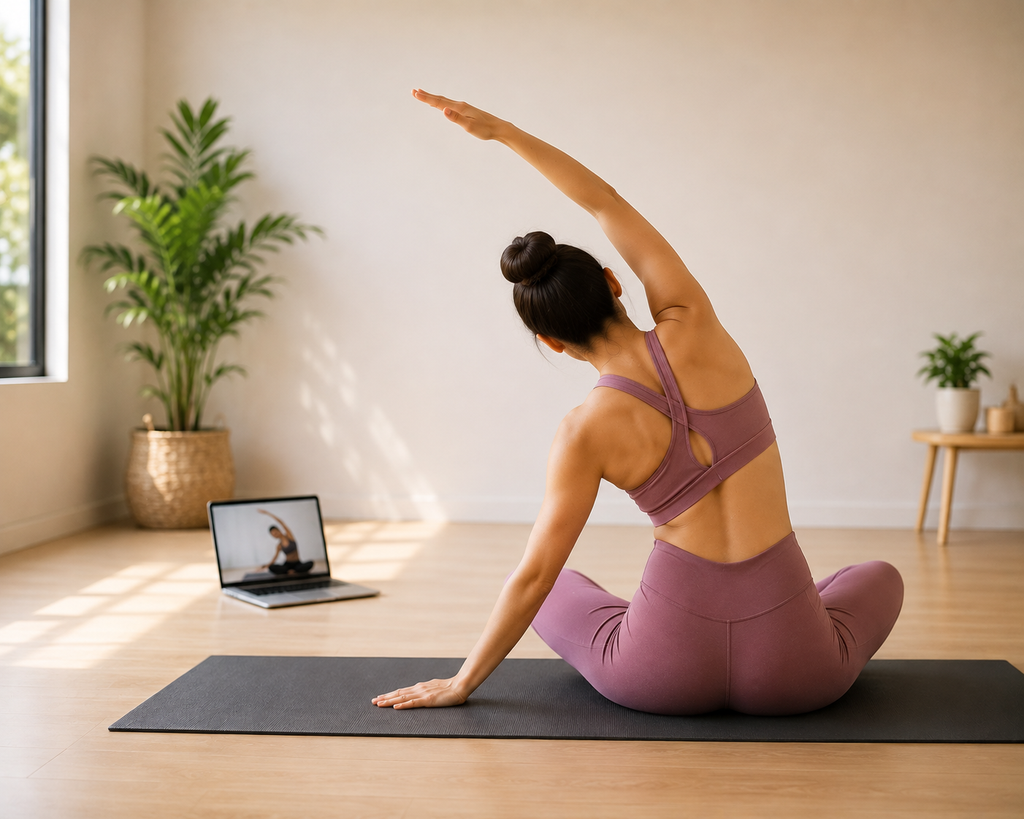
Yoga can complement other forms of exercise such as walking, strength training, dancing, or cardiovascular workouts.
Even a short yoga session can encourage you to move your body regularly instead of remaining inactive throughout the day.
How to Start Yoga as a Beginner
You do not need to completely change your lifestyle to start practicing yoga. Begin with simple steps and gradually create a routine that works for you.
Step 1: Choose a Comfortable Space
Find a quiet and comfortable area where you have enough room to place your yoga mat and move your arms and legs freely.
Your practice space does not need to be large. A clean corner of your bedroom, living room, balcony, or home workout area can be enough.
Try to choose a location where you can practice without frequent interruptions.
Step 2: Get Basic Equipment
The good thing about yoga is that you do not need a lot of equipment.
A basic beginner setup can include:
- Yoga mat
- Comfortable clothing
- Water bottle
- Yoga blocks, if required
- Yoga strap, if required
- Small cushion or folded blanket for comfort
A yoga mat provides grip and cushioning, but beginners should focus more on comfort and safety than purchasing expensive accessories.
Step 3: Start With Short Sessions
You do not need to practice for an hour from your first day.
If you are completely new, begin with 15–20 minutes. Once your body becomes comfortable with the movements, you can gradually increase your practice time.
Consistency is generally more useful for building a habit than trying to complete a long session occasionally.
Step 4: Learn Basic Breathing
Breathing is an important part of yoga.
As a beginner, simply start by noticing your natural breathing pattern. Try to breathe slowly and comfortably rather than holding your breath while performing a pose.
Coordinating movement with breathing can make your practice more mindful and controlled.
Step 5: Listen to Your Body
Yoga should not be treated as a competition.
Every person’s flexibility, strength, mobility, and physical condition are different. If a movement causes sharp or unusual pain, stop and reassess rather than forcing yourself into the pose.
A beginner’s goal should be gradual progress, not perfection.
Best Yoga Poses for Beginners
There are many yoga poses, but beginners can start with simple movements that develop basic flexibility, balance, strength, and body awareness.
Mountain Pose
Mountain Pose is a simple standing posture that helps beginners understand alignment and body awareness.
Stand comfortably with your feet grounded. Keep your spine tall, relax your shoulders, and breathe naturally.
Although the pose looks simple, it teaches you how to stand with awareness.
Child’s Pose
Child’s Pose is commonly used as a gentle resting posture.
Kneel on the mat and gradually lower your upper body forward while keeping yourself comfortable. You can modify the position with a cushion or folded blanket if needed.
It can be useful during a beginner routine when you need a gentle break between movements.
Cat-Cow Pose
Cat-Cow is a gentle movement that takes the spine through flexion and extension.
Start on your hands and knees. Move slowly between the two positions while coordinating the movement with your breathing.
This is a useful beginner exercise for learning controlled spinal movement.
Downward-Facing Dog
Downward-Facing Dog is one of the most recognizable yoga poses.
From a hands-and-knees position, lift your hips upward and gradually straighten your legs as much as feels comfortable. Beginners do not need to force their heels toward the floor.
Focus on creating a comfortable position rather than trying to copy an advanced practitioner.
Warrior II
Warrior II is a standing posture that engages the legs while encouraging stability and concentration.
Step one foot forward, turn the back foot outward, bend the front knee comfortably, and extend your arms in opposite directions.
Maintain steady breathing throughout the pose.
Tree Pose
Tree Pose introduces balance to a beginner’s practice.
Stand on one leg while placing the other foot on a comfortable part of the supporting leg. Beginners can keep one hand on a wall for additional stability.
Balance may take time to develop, so it is completely normal to wobble.
Seated Forward Fold
This seated posture can provide a gentle stretch to the back of the body.
Sit with your legs extended and slowly lean forward from your hips without forcing yourself to reach your feet.
Your range of motion may be limited initially, and that is perfectly normal.
Creating a Simple Beginner Yoga Routine
A beginner-friendly yoga routine can be simple and still effective.
Here is an example of a 20-minute structure:
2–3 minutes: Breathing and relaxation
Begin by sitting or lying comfortably. Take slow, natural breaths and bring your attention to your body.
3–5 minutes: Gentle warm-up
Try movements such as shoulder rolls, gentle neck movements, Cat-Cow, and easy spinal mobility.
8–10 minutes: Basic yoga poses
Include beginner-friendly poses such as Mountain Pose, Downward-Facing Dog, Warrior II, Child’s Pose, and a simple balance posture.
2–3 minutes: Relaxation
Finish your session by lying comfortably or sitting quietly. Allow your breathing to return to its natural rhythm.
This routine can be modified according to your fitness level and comfort.
How Often Should Beginners Practice Yoga?
There is no universal number of days that every beginner must follow.
A practical starting point is around three to five sessions per week, depending on your schedule and physical condition. Even short sessions can help you establish consistency.
For busy people, a 15–20 minute session may be easier to maintain than an ambitious one-hour routine that becomes difficult to follow.
Once yoga becomes part of your lifestyle, you can experiment with longer sessions or different styles.
Should You Practice Yoga at Home?
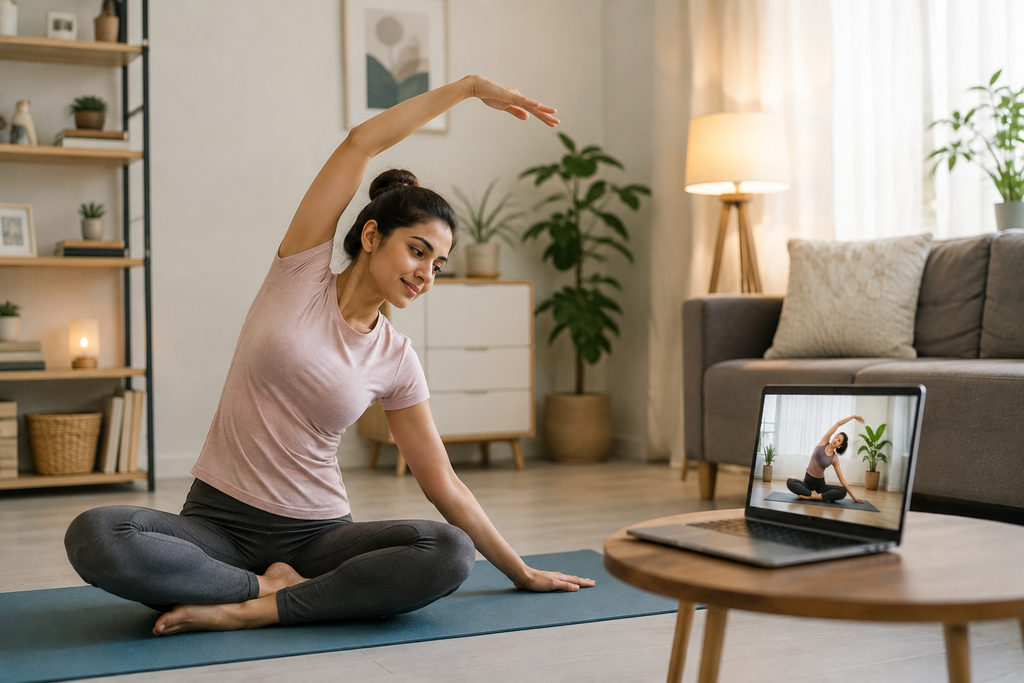
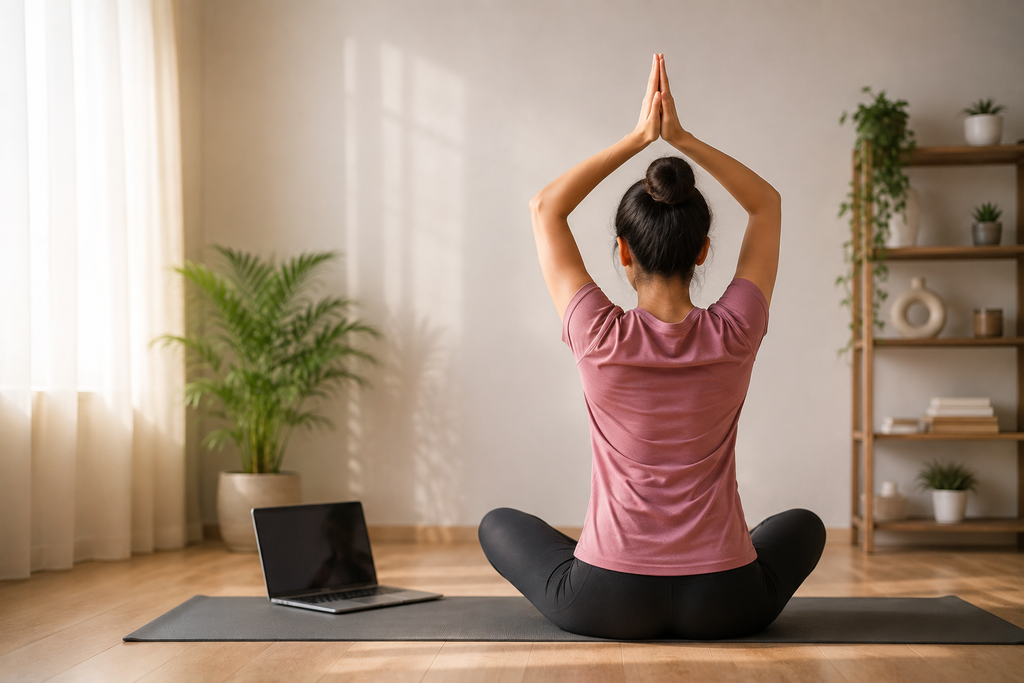
Yes, beginners can practice yoga at home, provided they have a safe environment and appropriate guidance.
Home practice offers several advantages. You can choose a convenient time, avoid travel, and create a routine around your personal schedule.
Online classes can also make it easier to follow structured sessions. If you are looking for guided instruction, choosing the Best Online Yoga program for your needs can help you learn poses, breathing techniques, and sequences in a more organized way.
However, beginners should pay attention to instructor qualifications, teaching style, class structure, and whether modifications are provided.
Common Mistakes Beginners Should Avoid
Starting yoga with the right mindset can make your experience more enjoyable. Avoid these common mistakes:
Trying to Be Perfect
You may see advanced practitioners performing difficult poses online. Do not compare your first week with someone else’s years of practice.
Yoga is a personal journey.
Holding Your Breath
Beginners sometimes unconsciously hold their breath while concentrating on a difficult pose. Try to maintain comfortable breathing throughout your practice.
Forcing a Stretch
More stretching does not always mean better results. Avoid pushing your body beyond a comfortable range.
Practicing Without Understanding the Pose
Instead of quickly moving through several poses, learn the basic alignment and purpose of each movement.
Ignoring Rest
Rest is an important part of yoga. Include comfortable recovery positions and relaxation at the end of your session.
Practicing Inconsistently
Doing an intense session once every few weeks is less useful for building a sustainable habit than creating a manageable routine that you can follow regularly.
How to Stay Consistent With Yoga
One of the biggest challenges beginners face is maintaining consistency.
Here are some simple ways to make yoga a regular habit:
Choose a fixed time: Practicing at the same time each day can make your routine easier to remember.
Start small: A 15-minute session is better than skipping practice because you do not have an hour available.
Track your progress: Keep a simple record of your sessions and note improvements in flexibility, balance, strength, or relaxation.
Keep your mat ready: Having your yoga equipment prepared can remove one small barrier to starting.
Make it enjoyable: Explore different beginner-friendly yoga styles and find routines that you genuinely enjoy.
Avoid comparison: Your progress should be measured against your own starting point.
Choosing the Right Yoga Style for Beginners
There are different styles of yoga, and not all of them feel the same.
Beginners may explore:
- Gentle Yoga
- Hatha Yoga
- Restorative Yoga
- Yin Yoga
- Beginner Vinyasa
- Mobility-focused yoga
If you prefer slow and relaxed sessions, gentle or restorative practices may be suitable. If you want more movement and a physical challenge, beginner Vinyasa may be interesting.
The most important factor is finding a practice that matches your comfort level and goals.
Yoga and a Healthy Lifestyle
Yoga works best as part of a balanced lifestyle rather than as a standalone solution for every health or fitness goal.
Combine your yoga practice with regular physical activity, nutritious meals, sufficient sleep, hydration, and healthy daily habits.
If your goal is weight management, strength development, improved fitness, or general wellness, yoga can complement other appropriate forms of exercise.
Remember that progress takes time. Your body needs time to adapt to new movements and develop strength and mobility.
When Should Beginners Practice Yoga?
You can practice yoga at different times of the day depending on your schedule.
Morning: Morning yoga can help you begin your day with movement and mindfulness.
Afternoon: A short session can provide a movement break if you have been sitting for several hours.
Evening: Gentle yoga and relaxation exercises can help create a calmer transition toward the end of your day.
There is no single perfect time. The best time is the one you can follow consistently.
When to Seek Professional Guidance
Although many basic yoga practices can be learned at home, professional guidance can be particularly useful if you are completely new, have difficulty understanding alignment, or want a program designed around specific goals.
A qualified instructor can demonstrate modifications, help you understand proper technique, and create a progressive routine.
If you have an injury, significant pain, or a medical condition, speak with an appropriate healthcare professional before beginning or changing an exercise routine, and inform your yoga instructor about relevant limitations.
Start Your Yoga Journey Today
Yoga does not require you to be flexible, athletic, or experienced. You simply need the willingness to begin.
Start with basic poses, learn to breathe comfortably, practice for a manageable amount of time, and gradually build consistency. Over time, you may notice improvements in flexibility, balance, strength, body awareness, and your ability to slow down and focus.
The most important part of a yoga journey is not how advanced your poses look. It is the habit you build and the relationship you develop with your body and mind.
For beginners who prefer structured guidance, online yoga classes can provide convenient access to instructors and guided routines from home. When selecting an online program, look for qualified instructors, beginner-friendly sessions, clear instructions, appropriate modifications, and a schedule that fits your lifestyle. The right Best Online Yoga experience should make yoga easier to understand, accessible, and sustainable.
Your yoga journey can begin with just a mat, a few minutes, and a commitment to yourself. Start slowly, stay consistent, respect your body’s limits, and allow your practice to grow naturally.

