
Meta Boxes
Use up and down arrow keys to resize the meta box pane.
In today’s busy lifestyle, maintaining physical and mental well-being can sometimes become challenging. Long working hours, digital screen use, irregular routines, limited physical activity, and everyday responsibilities can affect how we feel throughout the day. This is why many people are looking for simple and sustainable ways to take better care of their overall wellness.
Meta Boxes
Use up and down arrow keys to resize the meta box pane.
Show or hide panelInsert Header Code here:
Yoga and meditation are two practices that can complement each other as part of a balanced lifestyle. Yoga focuses on physical postures, movement, flexibility, balance, breathing, and body awareness, while meditation generally focuses on attention, awareness, and mental relaxation. When practiced together, they can create a routine that supports both physical activity and mindful relaxation.
You do not need to be highly flexible or experienced to begin. Yoga and meditation can be adapted to different ages, experience levels, and schedules. The most important part is to start gradually and develop a consistent practice that feels comfortable and realistic.
What Is Yoga?
Yoga is a broad practice that includes physical postures, breathing techniques, concentration, relaxation, and other traditional practices. Modern yoga classes can vary considerably in style and intensity.
Some classes focus mainly on physical postures and movement, while others include breathing exercises, meditation, and relaxation. Styles such as Hatha, Vinyasa, restorative, and gentle yoga may offer different experiences.
Yoga can help people become more aware of their bodies and movement patterns. Regular physical activity through yoga may also support flexibility, strength, balance, and mobility.
The benefits of yoga can vary between individuals. It should be viewed as one part of a healthy lifestyle rather than a replacement for medical treatment or professional healthcare.
What Is Meditation?
Meditation is a practice that involves intentionally directing attention and developing awareness. Depending on the technique, meditation may involve focusing on the breath, observing thoughts, repeating a phrase, practicing mindfulness, or using guided visualization.
Meditation does not necessarily mean completely stopping your thoughts. Instead, many practices involve noticing thoughts without becoming overly focused on them and gently returning attention to the chosen focus.
Beginners can start with just a few minutes of meditation. Over time, they may gradually increase the duration if they find the practice comfortable and useful.

How Yoga and Meditation Work Together
Yoga and meditation can complement each other because they address different aspects of wellness.
Yoga involves physical movement and body awareness, while meditation provides an opportunity to slow down and focus attention. A yoga session can be followed by a short meditation when the body is relaxed and still.
For example, you could begin with gentle stretching, continue with a few yoga postures, practice controlled breathing, and finish with five minutes of meditation.
This type of routine does not have to be lengthy. Even a short session can create a dedicated period for movement and mindfulness within a busy day.
Physical Benefits of Yoga
Yoga can contribute to physical wellness by incorporating movement, stretching, balance, and bodyweight exercises.
Regular practice may help support:
- Flexibility
- Mobility
- Balance
- Muscular strength
- Body awareness
- Movement control
- Postural awareness
Different yoga styles place different demands on the body. Some practices are gentle and relaxing, while others can be physically demanding.
Beginners should choose a class that matches their current ability rather than immediately attempting advanced postures.
Mental Wellness and Yoga
Yoga is also commonly used as a way to create a mindful break from daily activities. Focusing on movement and breathing can encourage people to pay attention to the present moment rather than continuously thinking about work, responsibilities, or digital notifications.
A slow yoga practice can be particularly useful when someone wants to include relaxation in their routine.
However, yoga should not be considered a treatment for mental health conditions. People experiencing persistent or severe emotional difficulties should seek appropriate professional support.
Benefits of Meditation
Meditation can be incorporated into a wellness routine for several reasons. Mindfulness-based practices encourage people to observe their thoughts, feelings, and surroundings with greater awareness.
Regular meditation may help some people develop greater awareness of their attention and reactions. It can also provide a dedicated period of quiet during a busy day.
Some people prefer guided meditation, while others practice independently by focusing on their breathing.
The goal does not have to be achieving a completely empty mind. Beginners can simply practice noticing when their attention wanders and gently bringing it back.
Yoga and Stress Management
Everyday stress can come from many sources, including work, family responsibilities, financial concerns, commuting, and constant digital communication.
Yoga and meditation can provide a structured opportunity to pause and relax. Gentle movement followed by slow breathing and meditation may help create a transition between work and personal time.
For example, a working professional could spend 20 minutes practicing yoga after work and then complete a five-minute breathing or meditation exercise.
This does not eliminate the causes of stress, but it can become part of a broader self-care routine.
Yoga for Flexibility and Mobility
Many yoga postures involve stretching and controlled movement. Practicing these movements regularly can support flexibility and mobility.
Beginners should avoid comparing their flexibility with other practitioners. Bodies differ naturally, and flexibility develops at different rates.
Instead of forcing a stretch, focus on controlled movement and comfortable range of motion. Props such as blocks or straps may also be useful for some practitioners.
Consistency is generally more important than trying to achieve deep stretches quickly.
Yoga for Strength and Balance
Yoga can also involve strength and stability. Standing postures, balancing poses, and weight-bearing positions can challenge different muscle groups.
Poses such as Warrior II, Chair Pose, Plank variations, and Tree Pose can be included in different types of yoga routines.
Balance-focused postures can also encourage concentration and body awareness.
Beginners can use a wall or other appropriate support when learning balance poses. As confidence develops, they can gradually reduce their reliance on support.
The Role of Breathing in Yoga and Meditation
Breathing is an important element of many yoga and meditation practices.
During yoga, practitioners are often encouraged to coordinate breathing with movement. In meditation, attention may be placed on the natural rhythm of breathing.
Simple breath awareness can be a good starting point for beginners. Sit or lie comfortably and notice the natural movement of the breath without trying to force it.
More advanced breathing techniques should be learned from a qualified instructor, particularly if they involve prolonged breath retention or forceful breathing.
A Simple Yoga and Meditation Routine
A beginner-friendly routine can be short and simple.
Start with two or three minutes of comfortable breathing and body awareness. Follow this with gentle movements to warm up the body.
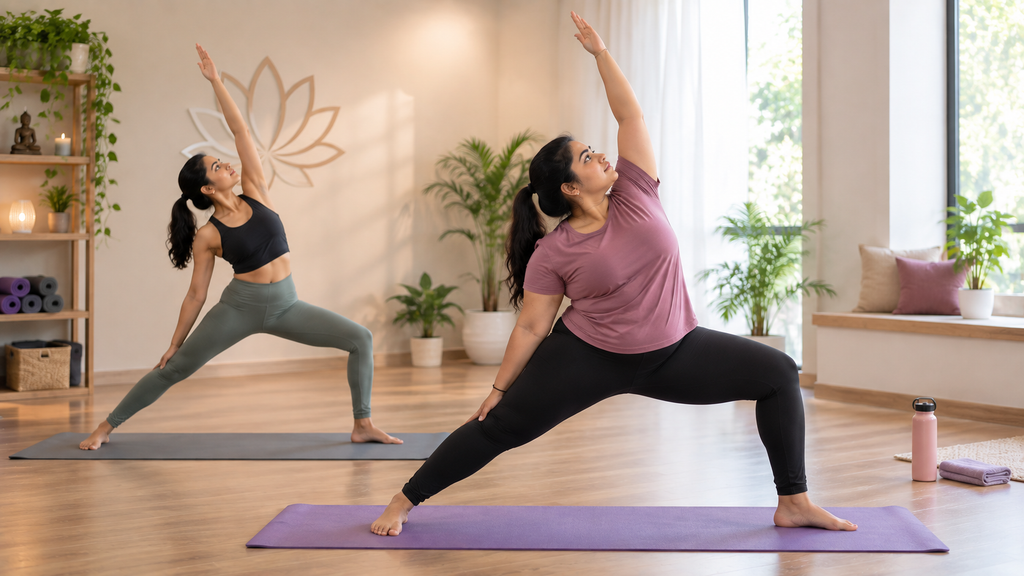
Next, practice a few basic postures such as Mountain Pose, Cat-Cow, Child’s Pose, Warrior II, and a comfortable seated stretch.
After the physical practice, sit comfortably and meditate for five minutes. Focus on your natural breathing and gently return your attention whenever your mind wanders.
Finish by taking a few slow breaths before returning to your daily activities.
The routine can be adjusted according to your available time and experience.
Morning Yoga and Meditation
Morning can be a convenient time for yoga and meditation because it allows you to begin the day with movement and a period of focused attention.
A 15–20 minute routine might include gentle stretching, a few standing postures, breathing awareness, and a short meditation.
You do not need to perform an intense practice first thing in the morning. Gentle movements can be enough to establish a consistent routine.
Evening Yoga and Meditation
Evening practice can provide an opportunity to slow down after work or other daily responsibilities.
A gentle evening routine may include seated stretches, relaxed yoga postures, breathing exercises, and meditation.
If your goal is relaxation, choose slower movements rather than a highly energetic class close to bedtime.
Creating a regular evening routine can also provide a clear transition between busy activities and personal time.
Practicing Yoga Online
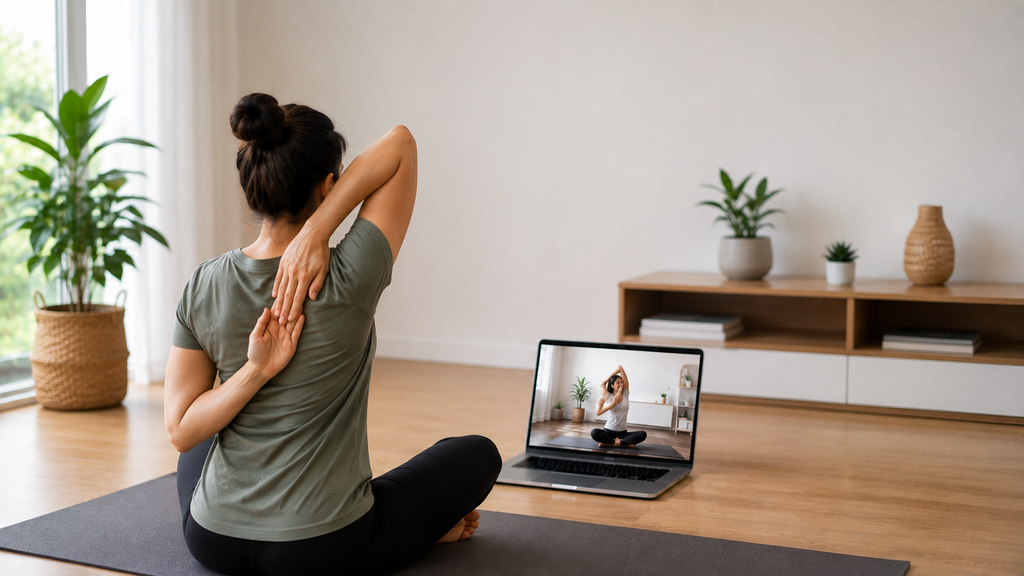
For people with busy schedules, Online Yoga Classes can provide a convenient way to practice from home. Online sessions may include beginner classes, live instructor-led sessions, recorded videos, gentle yoga, and different styles of practice.
One advantage of online learning is flexibility. You can choose a class according to your available time and experience level without travelling to a studio.
However, beginners should select instructors carefully and choose classes that clearly explain posture, alignment, breathing, and modifications.
How to Learn Meditation Online
Meditation can also be learned through online guided sessions. Beginners can start with short practices that focus on breathing, body awareness, or mindfulness.
A guided meditation can be useful because the instructor provides instructions throughout the session.
When choosing an online meditation resource, consider the instructor’s experience and the type of technique being taught. Start with simple practices before exploring more advanced methods.
Creating a Consistent Wellness Routine
The biggest challenge is often not learning yoga or meditation but maintaining a regular practice.
Start with a realistic schedule. Practicing for 10–20 minutes several times a week may be easier to maintain than planning a long session every day and frequently skipping it.
Choose a convenient time and prepare your practice space beforehand.
You can also connect your yoga and meditation routine with an existing habit. For example, practice after waking up, after finishing work, or before your evening routine.
Common Mistakes Beginners Should Avoid
Beginners sometimes expect immediate results from yoga and meditation. Both practices require patience and consistency.
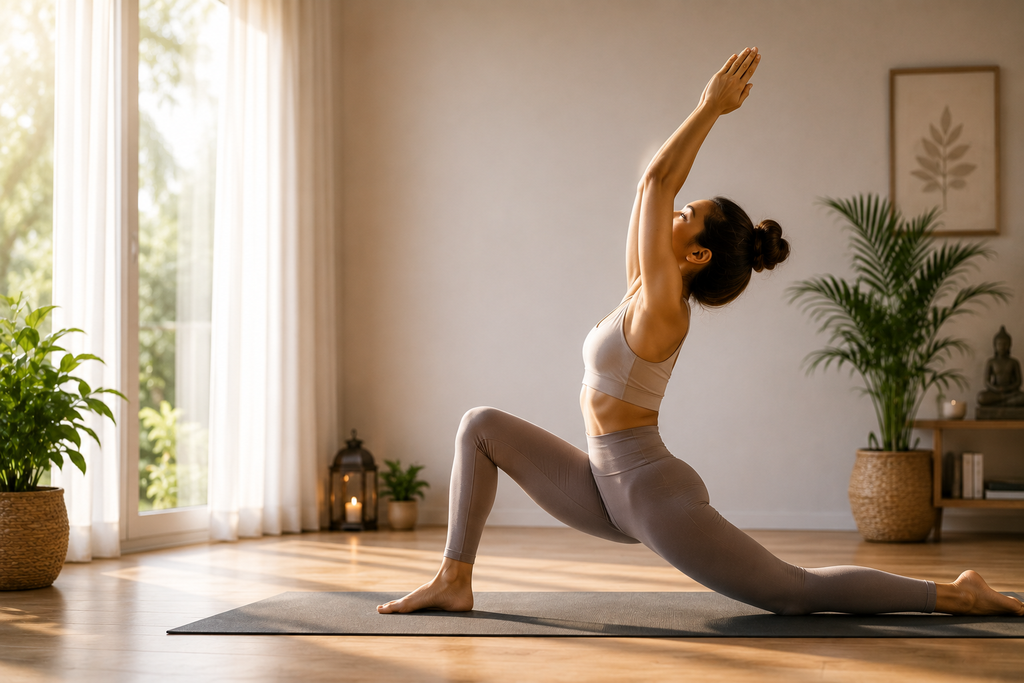
Avoid forcing yoga poses simply because you want to become flexible quickly. Do not hold your breath unnecessarily or attempt advanced breathing techniques without appropriate instruction.
During meditation, do not become frustrated because your mind wanders. Wandering attention is common. Simply notice it and gently return your focus.
Another common mistake is comparing your progress with other people. Your practice should be based on your own experience and abilities.
Safety Tips for Yoga Practice
Yoga is generally adaptable, but it is still a physical activity. Start with movements appropriate for your current level.
Use a stable surface and enough space to move safely. Follow instructions carefully and avoid forcing your body into uncomfortable positions.
If you experience sharp pain, dizziness, unusual shortness of breath, or significant discomfort, stop the practice.
People with injuries, medical conditions, or specific physical concerns should consider seeking appropriate professional advice before starting a new exercise routine.
How Long Should You Practice Yoga and Meditation?
There is no universal duration that everyone needs to follow.
Beginners can start with 10–15 minutes of yoga and a few minutes of meditation. As the routine becomes comfortable, the duration can gradually increase.
Some people may prefer a 30-minute combined session, while others may divide their practice into shorter periods throughout the day.
The important thing is to create a routine that fits your lifestyle.
Combining Yoga With Other Healthy Habits
Yoga and meditation work best as part of a broader wellness routine.
Regular physical activity, balanced nutrition, adequate hydration, quality sleep, and social connection are also important aspects of overall well-being.
If you spend long hours sitting, take regular movement breaks throughout the day. If you work at a computer, pay attention to your workstation setup and change positions regularly.
Yoga and meditation can complement these habits rather than replacing them.
Making Yoga and Meditation a Lifestyle
Yoga and meditation do not need to be treated as activities that you perform only when you have free time. They can gradually become part of your everyday routine.
You can practice a few yoga poses after waking up, take mindful breathing breaks during the workday, or meditate for a few minutes before bed.
On busy days, reduce the duration instead of abandoning the routine completely. On days when you have more time, you can enjoy a longer practice.
This flexible approach can make the habits easier to maintain over the long term.
Final Thoughts
Yoga and meditation can complement each other as part of a balanced approach to wellness. Yoga provides opportunities for movement, stretching, strength, balance, breathing, and body awareness, while meditation encourages attention, mindfulness, and relaxation.
You do not need advanced skills or a large amount of free time to begin. Start with simple yoga postures, comfortable breathing, and short meditation sessions. Gradually build your practice according to your abilities and schedule.
For people who prefer practicing at home, Online Yoga Classes can provide flexible access to guided sessions and different styles of yoga.
The most sustainable approach is to focus on consistency, patience, safe practice, and realistic expectations. When combined with healthy daily habits, yoga and meditation can become valuable tools for supporting a more balanced and mindful lifestyle.

