
Fitness has changed significantly in recent years. People no longer need to visit a gym or attend a physical class to connect with instructors, participate in workouts, and find motivation. Online fitness communities have made it easier for people to exercise from home, share their progress, ask questions, and connect with others who have similar health and wellness goals.
From live workout sessions and
to social media fitness groups and online challenges, digital communities are changing how people approach exercise. They offer opportunities to learn, stay accountable, discover new routines, and build relationships with people who share an interest in healthy living.
But why are online fitness communities becoming more popular? The answer involves convenience, flexibility, accessibility, social connection, and the growing availability of digital fitness resources.
Understanding these benefits can help you decide whether joining an online fitness community could make your own fitness journey more enjoyable and sustainable.
1. Convenience Makes Fitness Easier to Access
One of the biggest reasons online fitness communities are becoming popular is convenience.
Traditional fitness routines may require traveling to a gym, arranging transportation, and adjusting your day around class schedules. These requirements can make exercise difficult for people with busy lifestyles.
Online communities allow members to access workout sessions, discussions, and fitness resources from home or another suitable location.
For example, someone working long hours may prefer a short workout in the morning, while another person may have more time in the evening. Online platforms can make it easier to find sessions that fit different schedules.
Members can also participate in discussions, ask questions, and share experiences without traveling anywhere.
This convenience can remove some common barriers to exercise and help people incorporate physical activity into their everyday lives.
2. Flexible Schedules Suit Different Lifestyles
People have different responsibilities, routines, and availability. Students may have changing class schedules, professionals may work long hours, and parents may need to organize exercise around family commitments.
Online fitness communities can offer greater scheduling flexibility through recorded classes, live sessions at different times, and short workout programs.
Members may choose a routine that fits their availability instead of depending entirely on a fixed class timetable.
For example, a person with only 20 minutes available may choose a short dance workout, while someone with more time can join a longer strength-training or yoga session.
This flexibility can make fitness feel more manageable.
However, flexibility does not automatically guarantee consistency. Setting realistic goals and creating a regular exercise schedule can help members get the most out of their online fitness experience.
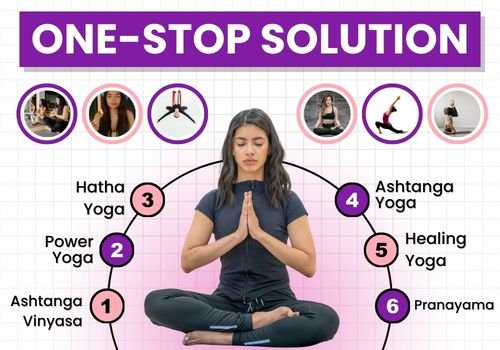
3. Social Connection Creates a Sense of Belonging
Exercise can sometimes feel lonely, especially when people work out at home without a partner or instructor.
Online fitness communities provide opportunities to interact with others who share similar interests. Members can exchange tips, celebrate achievements, discuss challenges, and encourage one another.
These interactions can create a sense of belonging.
For example, someone participating in a 30-day workout challenge may feel encouraged by seeing other members complete their sessions and share their experiences.
People can also learn from different perspectives and discover new approaches to staying active.
Although online relationships may not replace in-person interaction for everyone, they can provide valuable social support and make exercise feel like a shared activity rather than an individual responsibility.
4. Motivation and Accountability Help People Stay Consistent
Starting a fitness routine is often easier than maintaining it.
Many people feel motivated during the first few days but struggle to continue when work becomes busy, progress feels slow, or exercise becomes repetitive.
Online fitness communities can help members stay accountable through group challenges, progress updates, workout reminders, and shared goals.
When members commit to a routine and discuss their progress with others, they may feel more encouraged to follow through.
For example, a weekly activity challenge could motivate participants to complete a certain number of workouts or spend more time walking.
However, accountability should remain supportive rather than competitive or stressful. Everyone has different abilities, responsibilities, and fitness levels.
A healthy online community encourages consistency while allowing members to progress at their own pace.
5. Access to Different Types of Workouts
Another reason for the growing popularity of online fitness communities is the wide variety of activities available.
Members can explore different workouts without committing to a single exercise style.
Popular options include:
- Dance fitness and Zumba
- Yoga and stretching
- Strength training
- Cardio workouts
- Pilates
- Mobility exercises
- Meditation and breathing practices
- Beginner-friendly home workouts
This variety helps people discover activities that match their interests and goals.
Someone who enjoys music may prefer dance fitness, while another person may choose yoga for flexibility and relaxation. People interested in building strength may look for resistance-training sessions.
Trying different activities can also reduce boredom and make a fitness routine more enjoyable.
It is important to choose workouts appropriate for your experience and physical abilities rather than attempting every challenging routine you encounter online.
6. Online Communities Can Be More Budget-Friendly
Cost is another factor influencing the popularity of digital fitness communities.
Traditional fitness options may involve gym memberships, transportation expenses, or individual class fees. Online platforms can provide alternatives through free workout videos, community discussions, introductory classes, and affordable subscription programs.
Some communities offer free resources, while others charge for live instruction, personalized coaching, or specialized training plans.
This variety allows people to compare options according to their budgets.
However, inexpensive does not always mean suitable, and expensive does not automatically mean high quality.
Before paying for a program, check the instructor’s qualifications, class structure, cancellation policies, and the services included in the price.
Be cautious of programs that promise guaranteed rapid weight loss or unrealistic physical transformations.
7. Beginner-Friendly Support Reduces Intimidation
Starting a fitness routine can feel uncomfortable for beginners.
Some people worry about performing exercises incorrectly, keeping up with others, or being judged because of their fitness level.
Online fitness communities can provide a less intimidating environment, particularly when they welcome questions and offer beginner-friendly guidance.
Members may be able to learn basic movements at home, review recorded demonstrations, and practice before joining more challenging sessions.
Supportive instructors can also explain modifications and help participants understand how to progress safely.
A welcoming community should encourage people to ask questions without embarrassment and recognize that progress looks different for everyone.
Beginners should still prioritize proper technique and choose instructors who explain movements clearly. If a workout causes pain or feels inappropriate for their abilities, they should stop and seek suitable guidance.
8. Personalization Makes Fitness More Relevant
Many online fitness platforms allow members to select classes based on their goals, experience, available time, and preferred activity.
For example, a person interested in improving flexibility can explore yoga sessions, while someone who wants to increase cardiovascular activity may choose dance workouts or cardio routines.
Some paid programs also offer individual coaching, progress reviews, and structured training plans.
This ability to choose relevant content can make exercise feel more personal and practical.
However, online programs vary in how much individual support they provide. Recorded videos usually cannot observe your movements or respond to your specific needs in real time.
If you need personalized guidance because of an injury, medical condition, or other limitation, consider consulting a qualified professional before beginning a new program.
9. Technology Makes Participation More Interactive
Digital technology has made online fitness communities more engaging.
Live video sessions allow instructors to demonstrate exercises and interact with participants. Group chats and discussion boards provide spaces for questions and encouragement.
Some platforms also include workout calendars, activity trackers, progress logs, and virtual challenges.
These tools can help members organize their routines and monitor their participation.
For example, a workout calendar can make it easier to see how consistently you have exercised over several weeks.
Technology can also help people connect with communities outside their immediate geographic area.
Nevertheless, digital tools should support healthy habits rather than create pressure to exercise excessively or compare progress with other members.
10. Online Fitness Supports Different Life Stages
Fitness needs change throughout life. A student, working professional, older adult, and new parent may have very different requirements.
Online communities can provide access to activities designed for different ages, experiences, and lifestyle needs.
For example, beginners may choose gentle movement sessions, while experienced participants may prefer more challenging workouts.
People who are pregnant may also explore specialized prenatal exercise resources. Online Pregnancy Yoga can provide convenient access to guided sessions intended for pregnancy, depending on the instructor’s qualifications and the program’s suitability.
Pregnancy involves individual health considerations, so it is important to consult a healthcare professional before beginning or changing an exercise routine. Choose a qualified prenatal instructor who understands pregnancy-specific modifications.
The same principle applies to other life stages: the best community is one that respects individual needs and encourages safe, appropriate participation.
11. Progress Tracking Makes Goals Easier to Understand
Online fitness communities often encourage members to record their activities and review their progress.
Tracking can include the number of workouts completed, time spent exercising, improvements in stamina, or consistency over several weeks.
These measurements can help people recognize achievements that might otherwise go unnoticed.
For example, a beginner may initially manage only a short workout but gradually become comfortable with longer sessions.
Tracking can also help members identify patterns. If evening workouts are regularly missed because of work, they might experiment with morning sessions instead.
It is important to choose realistic measures of progress.
Body weight, appearance, and calorie estimates do not tell the entire story of fitness. Energy levels, mobility, strength, confidence, and regular participation can also be meaningful indicators.
12. Online Communities Offer Educational Resources
Fitness is not only about performing exercises. People also need reliable information about movement, recovery, nutrition, and healthy habits.
Online communities can provide educational videos, expert discussions, articles, demonstrations, and opportunities to ask instructors questions.
Members can learn about warm-ups, exercise modifications, rest days, and the importance of gradually increasing workout intensity.
However, not all information shared online is accurate.
Before following fitness or nutrition advice, consider the source and check whether the person providing it has appropriate qualifications.
Be particularly careful with claims involving medical conditions, supplements, extreme diets, or guaranteed results.
A responsible community distinguishes general fitness education from medical advice and encourages members to seek professional support when needed.
13. Fitness Challenges Make Exercise More Enjoyable
Challenges are a common feature of online fitness communities.
Examples include completing a set number of workouts in a month, practicing yoga regularly, walking more frequently, or trying a new fitness activity each week.
These challenges can create a shared goal and provide a clear structure for participation.
They may also help members discover new exercises and develop a routine.
However, challenges should be designed around achievable goals rather than extreme demands.
A challenge that requires daily high-intensity exercise may be unsuitable for beginners or people who need additional recovery time.
A better approach is to choose a challenge that allows different ability levels, includes rest when appropriate, and focuses on sustainable habits.
14. How to Choose the Right Online Fitness Community
Not every online fitness group will match your goals and preferences.
Before joining, consider the following factors.
Qualified instructors: Look for appropriate training, relevant experience, and clear teaching methods.
Supportive environment: Choose a group that respects beginners and avoids body-shaming or excessive competition.
Suitable workouts: Make sure sessions match your experience, abilities, and goals.
Flexible access: Check whether live sessions, recorded classes, and schedules fit your routine.
Reliable information: Prefer communities that share evidence-informed fitness guidance.
Transparent costs: Understand subscription fees, renewal terms, and cancellation policies before paying.
Privacy and safety: Review how the platform handles personal information and be cautious about sharing sensitive details publicly.
A good community should make you feel supported, informed, and comfortable developing your fitness at your own pace.
15. Are Online Fitness Communities Better Than Traditional Gyms?
Online fitness communities and traditional gyms both offer advantages. The better choice depends on your lifestyle, preferences, budget, and need for personal instruction.
Online communities offer convenience, flexible scheduling, and access to people and instructors from different locations.
Traditional gyms can provide exercise equipment, face-to-face interaction, and opportunities for in-person coaching. Some people also find that leaving home helps them focus on their workout.
You do not necessarily have to choose only one option.
You could attend a gym for strength training and participate in online yoga or dance classes at home. Alternatively, you might prefer online workouts during busy weeks and in-person sessions when time permits.
The most suitable approach is one that helps you exercise safely and consistently.
Conclusion
Online fitness communities are becoming more popular because they combine convenience, flexibility, social support, and access to a wide variety of workouts. They help people connect with others, discover new activities, develop healthy habits, and fit exercise into their everyday lives.
Features such as live classes, virtual challenges, progress tracking, and beginner-friendly guidance can make fitness more accessible and engaging.
However, joining a community alone does not guarantee results. Success depends on choosing suitable activities, following reliable guidance, maintaining realistic expectations, and allowing your body enough time to recover.
Whether you prefer Zumba, yoga, strength training, or general home workouts, an online fitness community can provide useful structure and encouragement.
Choose a supportive group, set achievable goals, and focus on building habits that fit your lifestyle. With consistency and the right guidance, online fitness communities can become a valuable part of a healthier and more active life.