Introduction
Yoga has become an important part of many people’s lives because it encourages physical movement, mindfulness, breathing awareness, and overall well-being. As interest in yoga continues to grow, many practitioners are considering professional training to deepen their knowledge and learn how to teach others. A 200-hour yoga teacher training course is a popular starting point for people who want to explore this path.
However, choosing the best 200-hour yoga certificate training course can be challenging. Different schools offer different yoga styles, teaching methods, schedules, fees, and certification options. Some programmes are residential, while others provide online or hybrid learning formats. The right choice depends on your experience, goals, budget, preferred learning style, and future plans.
Before enrolling, it is important to understand what a 200-hour course includes, how to assess a training provider, and what a certificate actually allows you to do. This guide explains the essential factors to consider so you can make an informed decision and choose a programme that supports your learning journey.
What Is a 200-Hour Yoga Teacher Training Course?
A 200-hour yoga teacher training course is a foundational programme designed to teach students the essential principles of yoga practice and instruction. It typically combines practical sessions with theoretical learning to help participants understand yoga beyond individual postures.
The course is often suitable for aspiring instructors and dedicated practitioners who want to deepen their personal practice. Some schools welcome beginners, while others recommend previous yoga experience.
A typical curriculum may cover:
- Yoga postures, alignment, and modifications.
- Anatomy and physiology relevant to yoga.
- Breathing techniques and pranayama.
- Meditation and relaxation practices.
- Yoga philosophy, history, and ethics.
- Teaching methodology and class sequencing.
- Practical teaching sessions and feedback.
The precise curriculum varies by provider. Before enrolling, review the syllabus to ensure it covers the subjects you want to study and provides enough opportunities to practise teaching.
What Makes a 200-Hour Yoga Training Course the Best?
There is no single course that is best for every student. A programme that works well for someone planning to teach Hatha yoga may not be the ideal choice for someone interested in Vinyasa or restorative yoga.
The best programme for you should combine a well-structured curriculum, knowledgeable instructors, safe teaching practices, suitable practical experience, and transparent certification details.
Consider the following factors when comparing courses.
1. Recognised certification pathway
Check which organisation, if any, recognises the programme. Some yoga schools offer training aligned with Yoga Alliance standards, while others follow different educational frameworks.
For example, Yoga Alliance offers the Registered Yoga School (RYS) credential for eligible schools and the Registered Yoga Teacher (RYT) designation for eligible teachers who meet its requirements. Completing a course does not automatically guarantee registration; applicants must satisfy the relevant requirements.
Registration with a private yoga organisation is not the same as a government-issued professional licence. Confirm which credentials matter for your intended teaching role and location.
2. Experienced instructors
Research the instructors’ qualifications, teaching experience, and areas of specialisation. Look for educators who can explain concepts clearly, provide constructive feedback, and adapt instruction to different learning needs.
3. Comprehensive curriculum
A strong foundational course should cover practical yoga, anatomy, philosophy, breathing, meditation, and teaching methodology. It should also address class safety, appropriate modifications, and the ethical responsibilities of a yoga instructor.
4. Practical teaching opportunities
Teaching yoga involves more than memorising postures. You need to learn how to communicate instructions, organise sequences, observe students, and respond appropriately when a student struggles with a movement.
Look for a programme that includes supervised practice teaching and useful feedback.
Popular Types of 200-Hour Yoga Teacher Training
Understanding the available course formats can help you choose a programme that fits your learning preferences and schedule.
Traditional or residential training
Residential programmes allow students to study yoga in an immersive environment. Participants may attend daily classes, practise meditation, study philosophy, and interact closely with instructors and fellow students.
This format can be beneficial if you prefer a structured routine and fewer daily distractions. However, travel, accommodation, meals, and time away from work may increase the overall cost.
Non-residential in-person training
These programmes allow you to attend classes at a yoga school or studio without staying on campus. They may offer weekend, evening, or part-time schedules.
This option can be convenient if you live near a suitable training provider and want face-to-face instruction while maintaining some of your regular responsibilities.
Online yoga teacher training
Online programmes may include recorded lessons, live sessions, reading materials, assignments, and instructor feedback. They can be useful for people who need flexible schedules or do not have access to a nearby training school.
However, online programmes differ in how they deliver practical teaching and assess students. Confirm that the course meets your learning needs and any certification or registration requirements relevant to your goals.
Hybrid training
Hybrid courses combine online theory with in-person practical sessions. Depending on the programme, this format may offer scheduling flexibility while retaining opportunities for direct feedback and supervised practice.
Before choosing a hybrid course, ask how much in-person attendance is required and whether travel expenses are included in the advertised fee.
How to Choose the Right Yoga Style
The yoga style taught during training can influence your future teaching approach. Consider your interests and the type of students you would eventually like to teach.
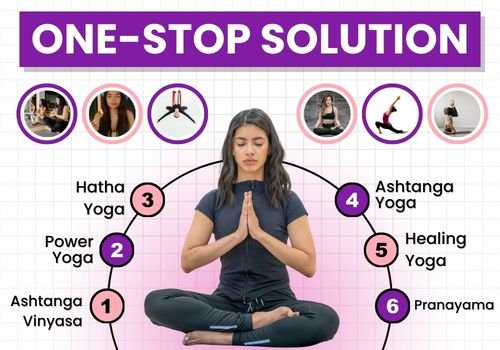
Hatha yoga: Often focuses on foundational postures, alignment, breathing, and a measured pace. It may appeal to students who want to develop a strong understanding of basic yoga practice.
Vinyasa yoga: Links movement with breathing and often involves flowing sequences. Students should look for training that explains safe transitions, appropriate sequencing, and modifications.
Ashtanga-inspired training: Typically follows a more structured sequence and emphasises consistent practice. Consider whether the physical demands and teaching approach suit your interests.
Restorative yoga: Emphasises supported positions and relaxation. If you are interested in this style, check whether the course includes sufficient relevant training or whether additional study is recommended.
Some 200-hour programmes introduce more than one style, while others focus on a particular approach. Read the curriculum carefully rather than choosing a course based on its title alone.
What Should You Check Before Enrolling?
Making an informed decision requires more than comparing advertisements. Ask the school for detailed information about its programme and student expectations.
Admission requirements
Confirm whether previous yoga experience is required or recommended. Some schools accept complete beginners, while others expect regular practice before enrolment.
Course duration and schedule
Find out whether the programme is intensive or part-time. Check the total number of training hours, attendance requirements, assessment dates, and the amount of independent study involved.
Teaching and assessment methods
Ask how students are assessed. A useful programme may include written work, practical demonstrations, teaching assignments, and feedback from instructors.
Class size and individual support
Smaller groups may offer more opportunities for individual feedback, although teaching quality depends on more than group size alone. Ask how instructors support students who need additional practice.
Course policies
Read the cancellation, refund, rescheduling, and attendance policies before paying. Understand what happens if you miss classes or cannot complete the programme within the planned period.
Graduate experiences
Look for detailed reviews from former students. Consider comments about teaching quality, organisation, practical experience, student support, and whether the programme matched its advertised description.
Understanding Course Fees and Value
The cost of a 200-hour yoga teacher training course varies according to location, format, instructors, facilities, and included services. Residential programmes may cost more because they can include accommodation, meals, and additional activities.
Rather than choosing the cheapest course automatically, compare what each fee includes.
Check whether the following items are included:
- Tuition and learning materials.
- Examinations or assessments.
- Certification fees.
- Accommodation and meals, if applicable.
- Yoga equipment or books.
- Additional workshops or practical sessions.
- Registration fees charged separately by an external organisation.
Ask for a written breakdown of the total cost. A programme with a higher fee may offer more individual support or practical instruction, but price alone does not establish quality.
A clear comparison of curriculum, instructor expertise, student support, and certification options will help you judge whether a course offers appropriate value for your needs.
Are Online Yoga Classes Useful Before Teacher Training?
Trying Online Yoga Classes before enrolling in teacher training can help you become familiar with basic postures, breathing awareness, and the structure of a guided session.
Regular beginner-friendly practice may also help you understand which yoga styles interest you. You can observe how instructors explain movements, offer modifications, and guide transitions between poses.
However, attending regular yoga classes is not the same as completing professional teacher training. If your goal is to become an instructor, you will need a structured programme that teaches anatomy, philosophy, teaching methodology, safety, and supervised teaching practice.
If you prefer online learning, review the course’s practical requirements and confirm how instructors assess your teaching skills. Make sure the certificate is appropriate for the professional goals you have in mind.
Career Opportunities After a 200-Hour Course
Completing a foundational yoga teacher training course may help you begin exploring teaching opportunities, depending on your skills, certification, and the requirements of potential employers or clients.
Possible pathways include:
- Teaching suitable beginner yoga classes.
- Assisting an experienced yoga instructor.
- Leading small community or group sessions.
- Offering private sessions within your competence.
- Teaching through online platforms.
- Continuing your education in specialised yoga areas.
Career opportunities vary by location and employer. Some studios may require additional qualifications, registration, insurance, or relevant teaching experience.
You should also understand the limits of your training. A foundational certificate does not automatically qualify you to provide medical treatment, rehabilitation, or specialised instruction that requires additional expertise.
Building a professional teaching career takes continued practice, responsible instruction, communication skills, and ongoing learning.
Common Mistakes to Avoid When Choosing a Course
Choosing a training programme too quickly can lead to disappointment. Keep these common mistakes in mind.
Choosing based only on price: A low fee may appear attractive, but you should still review the curriculum, instructor experience, and practical training.
Assuming every certificate is equivalent: Different providers and organisations have different requirements. Verify exactly what the qualification represents.
Ignoring teaching practice: A course that focuses mainly on personal practice may not provide enough preparation for teaching others. Review the supervised teaching component.
Overlooking safety education: Anatomy, modifications, contraindications, and appropriate student communication are important parts of responsible instruction.
Not checking course policies: Understand the attendance, assessment, refund, and completion rules before making a financial commitment.
Expecting immediate career success: Completing a course is an important learning milestone, but developing confidence and professional teaching skills takes time.
Questions to Ask a Yoga Training Provider
Before paying a deposit or enrolling, ask the school a few direct questions:
- Is the programme suitable for beginners, or is prior yoga experience required?
- What subjects and yoga styles are included in the curriculum?
- Who teaches the course, and what are their qualifications?
- How much supervised teaching practice is provided?
- What certificate will I receive upon completion?
- Is the school recognised by a particular yoga organisation?
- Are there additional certification or registration fees?
- What support is available if I struggle with the course?
- What are the attendance, assessment, and refund policies?
- Will this programme meet the requirements of the studios or organisations where I hope to teach?
Clear answers can help you compare schools objectively and avoid misunderstandings.
Frequently Asked Questions
1. Can beginners join a 200-hour yoga teacher training course?
Yes, some programmes welcome beginners, while others recommend regular yoga practice before enrolment. Check the specific admission requirements of each school.
2. How long does a 200-hour yoga teacher training course take?
The duration varies. Intensive courses may run over several weeks, while part-time programmes can take several months. Check the schedule and attendance requirements before enrolling.
3. Is online yoga teacher training a good option?
It may be suitable if you need flexibility, but the quality and format vary. Review the practical teaching component, instructor support, assessment process, and certification requirements carefully.
4. Does a 200-hour certificate guarantee a job as a yoga teacher?
No. A certificate can provide foundational training, but employment depends on your teaching ability, experience, local requirements, and the expectations of potential employers or clients.
5. Do I need to be flexible to join yoga teacher training?
Exceptional flexibility is not usually necessary. You should be willing to learn safe movement, understand modifications, and develop your practice gradually.
Conclusion
The best 200-hour yoga certificate training course is one that matches your goals, learning preferences, budget, and future teaching plans. Look for a well-structured curriculum, experienced instructors, practical teaching opportunities, clear safety guidance, and transparent certification information.
Compare residential, in-person, online, and hybrid formats before making a decision. Verify any claims about recognition or registration directly with the relevant organisation, and ask the training provider to explain exactly what you will receive upon completion.
Most importantly, choose a programme that values responsible teaching, individual progress, and continued learning. With the right preparation and a commitment to developing your skills, a 200-hour course can be a meaningful first step towards a deeper yoga practice and a potential teaching career.