
In today’s busy lifestyle, finding an exercise routine that supports both physical and mental well-being can be challenging. Long working hours, prolonged sitting, stress, lack of movement, and irregular routines can gradually affect flexibility, strength, posture, energy levels, and overall health. Yoga offers a simple and adaptable way to bring more movement and mindfulness into everyday life.
Yoga is much more than a series of stretching exercises. A regular yoga practice combines physical postures, controlled breathing, balance, concentration, and relaxation. Depending on the style and intensity, yoga can help improve flexibility, develop functional strength, support better posture, encourage mobility, and promote a greater sense of relaxation.
Whether you are a beginner, a working professional, a homemaker, or someone looking for a gentle form of exercise, yoga can be adapted to your individual needs. You do not have to be extremely flexible or physically fit to begin. With consistent practice and proper guidance, your body can gradually become stronger and more mobile.
What Makes Yoga Different From Other Forms of Exercise?
Many traditional workouts focus primarily on cardiovascular fitness, strength, or calorie expenditure. Yoga can combine several aspects of physical fitness with mindfulness and breathing.
During a yoga session, you may move through standing poses, seated stretches, balancing postures, strengthening positions, and relaxation exercises. Some practices are slow and gentle, while others can be physically demanding.
This variety makes yoga suitable for people with different goals.
For example, someone who spends most of the day sitting may benefit from mobility-focused movements, while someone looking to develop strength may include poses that require them to support their body weight.
The key is to choose a style and routine that matches your current fitness level.

How Yoga Improves Flexibility
Flexibility refers to the ability of your joints and muscles to move through an appropriate range of motion. Limited flexibility can make everyday movements feel uncomfortable or restricted.
Yoga regularly takes the body through controlled movements and stretches. With consistent practice, these movements can help you become more comfortable with different ranges of motion.
Gentle and Consistent Stretching
Yoga encourages gradual stretching rather than forcing the body into a position.
Poses such as Seated Forward Fold, Child’s Pose, Low Lunge, and various seated or standing stretches can target different areas of the body.
The goal is not to reach the deepest possible position. Instead, focus on controlled movement and comfortable breathing.
Improves Joint Mobility
Yoga involves movements through different planes of motion. Regular practice can encourage you to move your joints more frequently and consciously.
This can be particularly useful for people who spend many hours sitting or following repetitive daily routines.
Flexibility Develops Gradually
One of the biggest misconceptions about yoga is that you need to be flexible before starting.
In reality, flexibility is something you can work on over time.
You may notice that a particular pose feels difficult during your first few sessions. With regular practice, your range of motion and comfort may gradually improve.
Avoid comparing your flexibility with another person’s. Your body has its own starting point.
How Yoga Builds Strength
Yoga may look gentle, but many yoga poses require significant muscular engagement.
When you hold a posture, transition between poses, or support your body weight, different muscle groups work together to maintain stability.
Bodyweight Strength
Many yoga poses use your body weight as resistance.
For example, Plank Pose can engage the core, shoulders, arms, and legs. Chair Pose can challenge the lower body, while Warrior poses require stability and strength in the legs.
These movements can contribute to functional strength that supports everyday activities.
Core Strength
A strong core is important for stability and controlled movement.
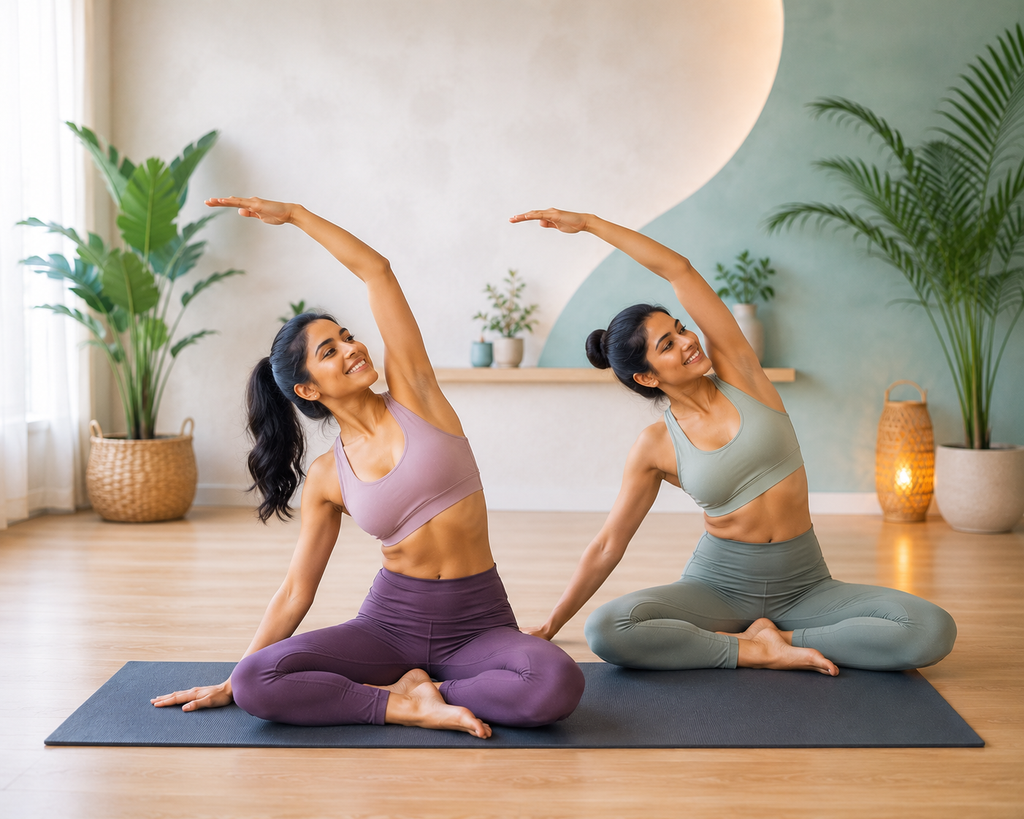
Yoga includes numerous postures that require the abdominal and surrounding muscles to remain engaged. Poses such as Plank, Boat Pose, and controlled transitions can challenge the core.
A stronger core can also support better body control during other physical activities.
Leg Strength
Standing yoga poses can engage the thighs, hips, calves, and surrounding muscles.
Warrior I, Warrior II, Chair Pose, and similar postures require the legs to work while the body maintains balance and alignment.
Beginners can modify these poses according to their comfort and gradually increase the challenge.
Upper-Body Strength
Yoga can also involve the arms, shoulders, chest, and upper back.
Plank variations, Downward-Facing Dog, and other weight-bearing postures require the upper body to support and stabilize the body.
The amount of strength development depends on the yoga style, practice frequency, duration, and intensity.
Yoga and Better Posture
Poor posture is increasingly common, particularly among people who spend several hours working at a desk or using digital devices.
Sitting for long periods can encourage rounded shoulders, stiffness, and reduced awareness of body alignment.
Yoga encourages you to pay attention to how your spine, shoulders, hips, and head are positioned.
Strengthening Postural Muscles
Several yoga poses require the body to maintain an upright and stable position.
Standing postures can encourage awareness of alignment, while strengthening movements can engage muscles that support the torso.
Stretching Tight Areas
Yoga also incorporates stretches that can help address stiffness caused by prolonged inactivity.
Gentle chest-opening movements, shoulder mobility exercises, hip stretches, and spinal movements can be included in a balanced routine.
Good posture is not about holding your body rigidly all day. It is about developing awareness, strength, mobility, and the ability to change positions comfortably.
Yoga Can Support Balance and Coordination
Balance is an important part of physical fitness, and yoga provides many opportunities to practice it.
Tree Pose, Warrior III, and other balancing postures challenge your ability to stabilize the body.
Beginners can start by standing near a wall or using support when needed.
Balance practice can also encourage concentration because you need to remain aware of your body position while maintaining the posture.
With regular practice, you can gradually become more comfortable with controlled movements and transitions.
Yoga and Overall Physical Health
Yoga can contribute to an active lifestyle by encouraging regular movement.
A consistent practice may help you become more aware of areas of stiffness, weakness, or limited mobility. It can also encourage you to spend less time being completely inactive.
However, yoga should not necessarily replace every other type of exercise.
A well-rounded fitness routine can include yoga alongside walking, strength training, cardiovascular exercise, recreational activities, or other suitable forms of movement.
Different types of exercise provide different benefits, so combining activities can create a more balanced approach to fitness.
Yoga and Stress Management
Physical health and mental well-being are closely connected.
Modern lifestyles can involve constant notifications, work pressure, responsibilities, and limited opportunities to slow down. Yoga creates a dedicated period where you can focus on movement and breathing.
Slow, controlled breathing and relaxation practices may help create a calmer experience during and after your session.
Many people enjoy yoga because it provides a break from screens and daily distractions.
Instead of focusing only on physical performance, yoga encourages you to pay attention to how you feel.
The Role of Breathing in Yoga
Breathing is one of the features that distinguishes yoga from many conventional exercise routines.
During physical practice, you are encouraged to coordinate movement with comfortable breathing.
For beginners, the simplest approach is to avoid holding your breath and focus on steady, natural breathing.
As you become more experienced, you can learn specific breathing techniques from a qualified instructor.
Conscious breathing can make your practice more focused and help you develop greater awareness of your body.
Yoga for Beginners: Where Should You Start?
If you are new to yoga, do not feel pressured to perform advanced poses.
Start with simple movements and gradually build your foundation.
A beginner routine may include:
- Gentle warm-up movements
- Cat-Cow stretches
- Child’s Pose
- Mountain Pose
- Downward-Facing Dog
- Warrior I
- Warrior II
- Simple seated stretches
- Basic balance exercises
- Relaxation
Start with around 15–20 minutes and increase the duration as you become more comfortable.
The quality of movement is more important than trying to complete a long or complicated routine.
How Often Should You Practice Yoga?
Consistency is one of the most important factors in developing a long-term yoga habit.
Beginners may start with three sessions per week and gradually increase the frequency depending on their schedule and physical condition.
Some people prefer short daily sessions, while others may practice longer sessions several times a week.
There is no need to make your routine unnecessarily complicated.
If you have only 20 minutes available, use those 20 minutes. A realistic routine that you can maintain is often more practical than an ambitious routine that becomes difficult to follow.
Practicing Yoga at Home
One of the advantages of yoga is that it can be practiced in a relatively small space.
You can create a simple yoga area at home using a comfortable mat and enough room to move safely.
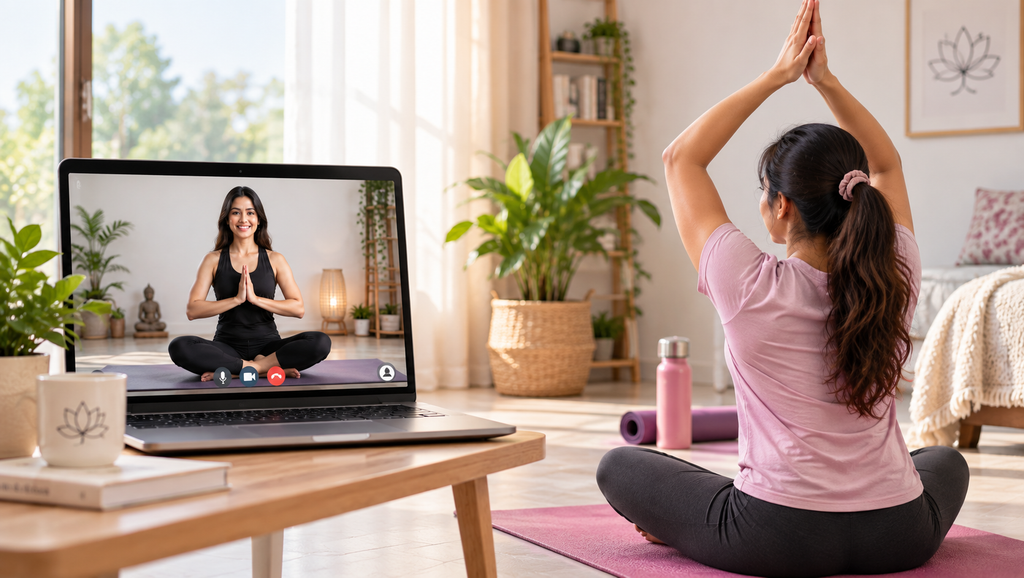
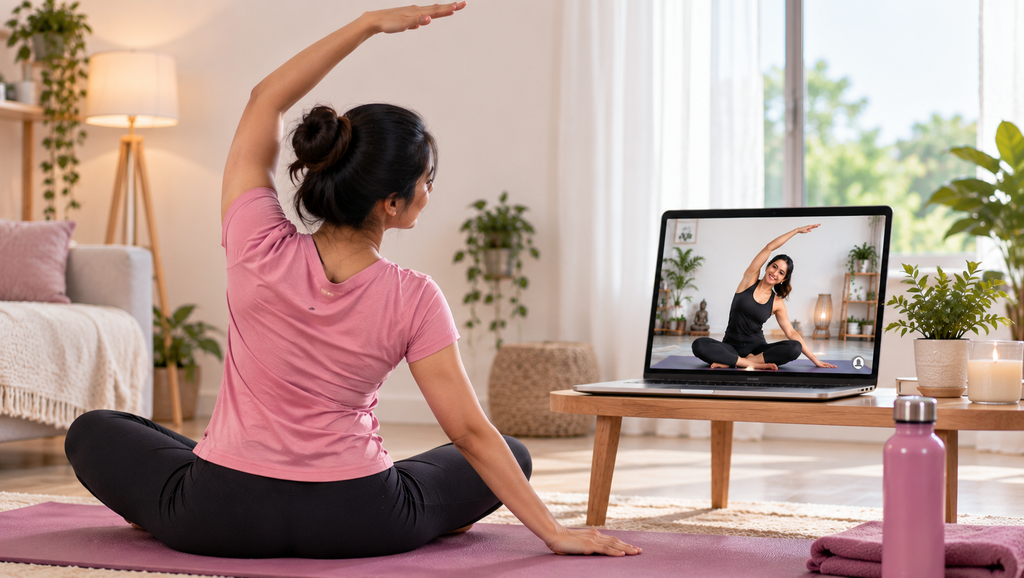
Online classes can make home practice easier by providing structured sessions and instructor guidance.
When choosing an online yoga program, consider factors such as instructor experience, class difficulty, session duration, variety of classes, modifications, and whether the program matches your goals. Choosing the Best Online Yoga program for your lifestyle can help you stay consistent while learning proper techniques from home.
A structured online routine can be especially useful for people who have busy schedules or prefer exercising at home.
Yoga for Different Fitness Goals
Yoga can be adapted according to your individual goals.
For Flexibility
Focus on gentle stretching, mobility, and controlled movements.
For Strength
Include stronger standing poses, core exercises, Plank variations, and challenging transitions.
For Balance
Add standing balance poses and practice them regularly with appropriate support.
For Relaxation
Choose gentle yoga, restorative poses, breathing exercises, and relaxation techniques.
For General Wellness
Combine different types of yoga throughout the week rather than repeating the same routine every day.
Your practice can change as your goals change.
Common Mistakes to Avoid
Although yoga is adaptable, beginners should approach the practice thoughtfully.
Forcing Your Body
Never assume that a deeper stretch automatically means a better stretch. Move within a comfortable range and progress gradually.
Comparing Yourself With Others
Yoga is not a competition. Someone else may have practiced for years, while you may be on your first week.
Ignoring Alignment
Learn the basic technique of each pose rather than simply trying to copy its appearance.
Holding Your Breath
Maintain comfortable breathing and avoid unconsciously holding your breath during challenging movements.
Doing Too Much Too Soon
Starting with an extremely demanding routine can make you tired or discouraged. Build gradually.
Skipping Recovery
Relaxation and rest are important parts of a balanced practice.
How to Make Yoga a Long-Term Habit
Creating a sustainable routine is easier when yoga fits naturally into your lifestyle.
Choose a convenient time and keep your yoga mat easily accessible. Set realistic goals rather than expecting dramatic changes immediately.
You can also create variety in your practice.
For example, you could follow a flexibility-focused routine one day, a strength-oriented session another day, and a gentle relaxation session later in the week.
Tracking your practice can also help you recognize gradual improvements.
Instead of focusing only on how far you can stretch, pay attention to other signs of progress, such as improved balance, better body awareness, easier movement, increased strength, or greater consistency.
Safety Tips for Yoga Practice
Yoga should be practiced with awareness and appropriate modifications.
Always begin with a warm-up, especially before a more active session. Move slowly into unfamiliar positions and avoid sudden movements.
If you experience sharp pain, stop the movement rather than pushing through it.
People with existing injuries, significant pain, or specific medical concerns should seek appropriate professional advice before starting or changing an exercise program.
Working with a qualified yoga instructor can also help you understand modifications and proper alignment.
Combining Yoga With a Healthy Lifestyle
Yoga can be one part of a broader approach to health.
Along with regular movement, pay attention to nutritious food choices, adequate sleep, hydration, stress management, and recovery.
No single exercise can provide every aspect of fitness. A balanced lifestyle combines different healthy habits according to your individual needs.
Yoga can complement other activities and provide an opportunity to slow down, move consciously, and reconnect with your body.
How to Measure Your Yoga Progress
Progress in yoga is not always visible.
You may not notice changes every day, but small improvements can accumulate over time.
You can track progress by observing:
- Increased flexibility
- Improved balance
- Better posture awareness
- Greater muscular endurance
- Easier movement
- Improved body awareness
- Better consistency
- Greater comfort during relaxation
Instead of focusing only on advanced poses, celebrate these practical improvements.
Final Thoughts
Yoga can be a powerful addition to a healthy lifestyle because it brings together flexibility, strength, balance, mobility, breathing, and mindfulness.
You do not need to be flexible before beginning. You do not need expensive equipment. You do not need to perform advanced poses.
Start where you are.
Choose simple movements, practice consistently, listen to your body, and gradually increase the challenge as your confidence and ability develop.
For people who prefer guided practice, online classes can provide convenient access to structured yoga sessions from home. A suitable program can help you learn the fundamentals, explore different styles, and maintain a routine that fits your lifestyle. With the right Best Online Yoga classes, beginners can make their practice more organized, accessible, and enjoyable.
Ultimately, yoga is not about achieving a perfect pose. It is about developing a stronger connection with your body, moving with greater awareness, and making healthy movement a regular part of your life.
Start with a few minutes today, remain patient with your progress, and let your yoga practice grow naturally over time.

