Depression has become one of the most prevalent mental health challenges of our time, affecting millions of people worldwide regardless of age, gender, or socioeconomic status. While pharmaceutical interventions and psychotherapy remain important treatment options, an increasing number of individuals are discovering the profound healing potential of natural approaches—particularly yoga. This ancient practice, originating in India thousands of years ago, offers a holistic pathway to alleviating depression by simultaneously addressing the mind, body, and spirit.
Understanding Depression Beyond the Mind
Depression is far more than simply feeling sad or experiencing a temporary low mood. It’s a complex condition that manifests physically, emotionally, and mentally. Individuals suffering from depression often experience persistent fatigue, disrupted sleep patterns, changes in appetite, difficulty concentrating, loss of interest in previously enjoyable activities, and sometimes physical pain without a clear medical cause. Understanding depression as a whole-body experience is crucial because it reveals why yoga—a whole-body practice—can be remarkably effective as a natural treatment approach.
Traditional treatments for depression typically focus primarily on brain chemistry through medications or cognitive patterns through talk therapy. While these approaches help many people, they sometimes overlook the profound connection between physical body states and mental wellbeing. Yoga bridges this gap by working simultaneously with breath, movement, and mindfulness to create shifts in both physiological and psychological functioning.
The Science Behind Yoga’s Antidepressant Effects
Recent scientific research has begun validating what yoga practitioners have known for centuries: regular practice creates measurable changes in brain chemistry and nervous system function that directly counteract depressive symptoms. When we practice yoga, several biological mechanisms are activated that naturally elevate mood and reduce depression.
First, yoga increases production of gamma-aminobutyric acid (GABA), a neurotransmitter that promotes calmness and reduces anxiety. Studies have shown that a single yoga session can increase GABA levels by up to 27%, and regular practice can sustain this elevation. Low GABA levels are consistently found in people experiencing depression and anxiety, making yoga’s ability to boost this neurotransmitter particularly significant.
Second, yoga practice reduces cortisol—the stress hormone that, when chronically elevated, contributes significantly to depression. The combination of physical movement, controlled breathing, and meditative awareness signals the nervous system to shift from sympathetic (fight-or-flight) activation to parasympathetic (rest-and-digest) dominance. This shift reduces cortisol production while simultaneously increasing serotonin and dopamine—neurotransmitters crucial for mood regulation and feelings of wellbeing.
Third, yoga increases heart rate variability (HRV), a measure of the nervous system’s flexibility and resilience. Higher HRV is associated with better emotional regulation and reduced depression symptoms. The breathing practices integral to yoga—particularly slow, deep breathing—directly enhance HRV, thereby increasing the capacity to navigate emotional challenges.
Physical Movement as Emotional Release
One of yoga’s most powerful mechanisms for addressing depression is how physical movement facilitates emotional processing and release. Depression often involves emotional suppression—feelings that haven’t been fully experienced or expressed become stored in the body as tension, constriction, and energetic blockages. Yoga’s combination of stretching, strengthening, and conscious movement helps release these stored emotions.
Certain yoga poses target areas where emotional tension commonly accumulates. Hip-opening poses, for example, can release stored stress and trauma, sometimes triggering unexpected emotional responses during practice. Backbends open the chest and heart area, counteracting the collapsed, protective posture often adopted by people experiencing depression. Forward folds encourage introspection and can create feelings of safety and comfort.
The physical accomplishment of progressing in yoga practice also combats the feelings of helplessness and inadequacy that characterize depression. Successfully holding a challenging pose or noticing increased flexibility over time provides tangible evidence of capability and growth—powerful antidotes to depression’s narrative of worthlessness and stagnation.
Breathwork: The Bridge Between Body and Mind
Pranayama, or yogic breathing techniques, represents one of yoga’s most direct pathways to alleviating depression. The breath serves as a bridge between conscious and unconscious processes, between voluntary and involuntary nervous system functions. By consciously manipulating breath patterns, we can directly influence mental and emotional states.
Depression often manifests in shallow, restricted breathing patterns that perpetuate low energy and negative mood. Yogic breathing practices restore full, deep breathing that oxygenates the body completely, energizes the system, and signals safety to the nervous system. Techniques like alternate nostril breathing balance the left and right hemispheres of the brain, promoting mental clarity and emotional equilibrium.
Breath retention practices build internal energy and focus, counteracting the scattered, depleted feeling common in depression. Even simple practices like extending the exhale longer than the inhale activate the parasympathetic nervous system, creating immediate calming effects that reduce anxiety often accompanying depression.
Mindfulness and Present-Moment Awareness
Depression frequently involves rumination about the past or anxiety about the future. Yoga cultivates present-moment awareness that interrupts these destructive thought patterns. During practice, attention is repeatedly directed to immediate physical sensations, breath movements, and body positioning—anchoring awareness in the here and now.
This trained capacity for present-moment focus extends beyond the yoga mat into daily life. People who practice yoga regularly report increased ability to notice when depressive thought patterns begin and consciously redirect attention to present reality rather than getting lost in rumination. This metacognitive awareness—the ability to observe thoughts without being consumed by them—is a crucial skill for managing depression.
The non-judgmental awareness cultivated in yoga also counteracts the harsh self-criticism characteristic of depression. Yoga teaches practitioners to observe their current capabilities without comparison or judgment, creating a foundation of self-compassion that can gradually replace the negative self-talk that fuels depressive episodes.
Community and Connection
Depression often involves profound isolation and disconnection—from others, from oneself, and from any sense of meaning or purpose. Attending yoga classes, whether in person or through a yoga subscription service, provides regular opportunities for connection and community that combat this isolation.
Many people find that committing to a yoga subscription creates beneficial structure and routine—elements often lacking during depressive episodes. Having scheduled classes motivates me to get out of bed, engage with practice, and maintain consistency even when motivation is low. The accountability of a yoga subscription, combined with the community connection it facilitates, can be remarkably helpful for individuals struggling with depression’s tendency toward withdrawal and isolation.
Modern yoga subscription platforms offer tremendous flexibility, allowing individuals to practice at home when leaving the house feels overwhelming, while still providing guidance and connection through skilled instructors. This accessibility makes yoga practice sustainable even during difficult periods when attending in-person classes might feel impossible.
The Spiritual Dimension
Beyond its physical and psychological benefits, yoga offers a spiritual framework that can provide meaning and perspective during depression’s darkest moments. The yogic philosophy recognizes suffering as part of the human experience while offering practices and perspectives for working skillfully with that suffering rather than being consumed by it.
Yoga teaches that our essential nature is whole and complete, regardless of current circumstances or mental states. Depression often creates identification with negative thoughts and feelings—believing “I am depressed” rather than “I am experiencing depression.” Yoga’s meditative practices help create space between awareness and experience, allowing recognition that depression is a temporary state rather than a fixed identity.
Creating a Personal Practice
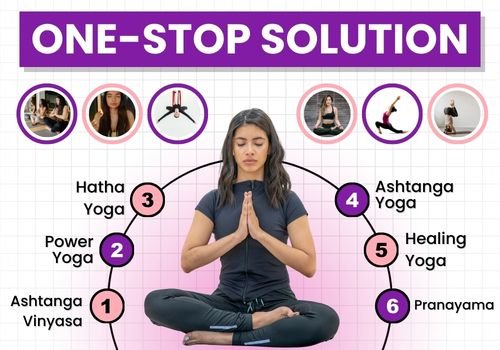
While any yoga practice offers benefits for depression, certain approaches may be particularly helpful. Gentle, restorative practices can be ideal during acute depressive episodes when energy is low. These slower practices emphasize relaxation, breathing, and stress reduction without demanding physical exertion that might feel overwhelming.
As energy increases, more dynamic practices, such as vinyasa or power yoga, can be introduced. These styles build physical strength and stamina while providing the satisfying challenge that combats feelings of stagnation. The key is approaching practice with self-compassion, adjusting intensity based on current capacity rather than forcing adherence to external standards.
Consistency matters more than intensity. Even 10-15 minutes of daily practice yields cumulative benefits that surpass those of occasional longer sessions. A yoga subscription can facilitate this consistency by providing varied class lengths and styles suited to different energy levels and time constraints.
Conclusion
Yoga offers a comprehensive, natural approach to depression that addresses the condition’s multiple dimensions—physical, mental, emotional, and spiritual. Through its effects on brain chemistry, nervous system regulation, physical movement, breathwork, and mindfulness cultivation, yoga creates measurable improvements in depressive symptoms while also supporting overall wellbeing and resilience.
While yoga should not replace professional mental health treatment for clinical depression, it serves as a powerful complementary approach that enhances other interventions and provides tools for long-term mental health maintenance. The accessibility of modern These services makes this ancient healing practice available to anyone seeking natural pathways toward greater mental clarity, emotional balance, and genuine wellbeing. In a world where depression affects increasing numbers of people, yoga stands as a time-tested, scientifically supported, and deeply compassionate response to one of humanity’s most challenging experiences.