
Yoga is a simple and effective way to include physical activity, stretching, breathing exercises, and relaxation in your daily routine. You do not always need to visit a studio or gym to begin practicing yoga. With a small amount of space, comfortable clothing, and a yoga mat, you can start practicing many basic yoga exercises at home.
For beginners, starting yoga at home can feel easy and convenient because you can choose your own time and practice at your own pace. You can also explore different Classes Yoga programs, online sessions, and beginner-friendly videos to learn proper techniques and build a regular routine.
Whether your goal is to improve flexibility, develop better balance, reduce everyday stress, or simply become more physically active, yoga can be adapted to different fitness levels.
What Is Yoga?
Yoga is a mind-body practice that combines physical postures, breathing techniques, and relaxation or meditation. Different yoga styles have different approaches and levels of intensity.
Some forms of yoga focus mainly on gentle stretching and relaxation, while others involve flowing movements and more physically demanding poses.
For beginners, it is usually helpful to start with simple movements and gradually learn more advanced postures as your comfort and ability improve.
Yoga does not require you to be extremely flexible. Flexibility can develop gradually through regular and safe practice.
Why Start Yoga at Home?
Practicing yoga at home has several advantages. One of the biggest benefits is convenience. You do not have to travel to a yoga studio or wait for a scheduled class if you are using recorded sessions.
You can choose a time that fits your daily routine. Even a short session can be a useful way to add movement to your day.
Some people also feel more comfortable learning new poses privately before joining a group class.
With online Classes Yoga programs, beginners can also find lessons designed specifically for their experience level.

What Do You Need to Start Yoga at Home?
You do not need expensive equipment to begin yoga. A few basic items are enough.
1. Yoga Mat
A yoga mat can provide cushioning and help prevent your hands and feet from slipping during certain poses. Choose a mat that feels comfortable and provides adequate grip.
2. Comfortable Clothing
Wear clothing that allows you to move freely. Your clothes should not be so tight that they restrict movement or so loose that they interfere with your practice.
3. Enough Space
You need enough space to stretch your arms and legs without hitting furniture or other objects. A quiet and uncluttered area can also make it easier to concentrate.
4. Water
Keep water nearby, especially if you are practicing a more active style of yoga.
5. Optional Yoga Props
Beginners can use props such as blocks, straps, cushions, or a folded blanket. These can make certain poses more comfortable and can help with support and alignment.
You do not need to buy all these items immediately. Start with what you already have and add equipment when you find it useful.
How to Start Yoga at Home Step by Step
Starting with a simple routine can make yoga less intimidating. Follow these basic steps.
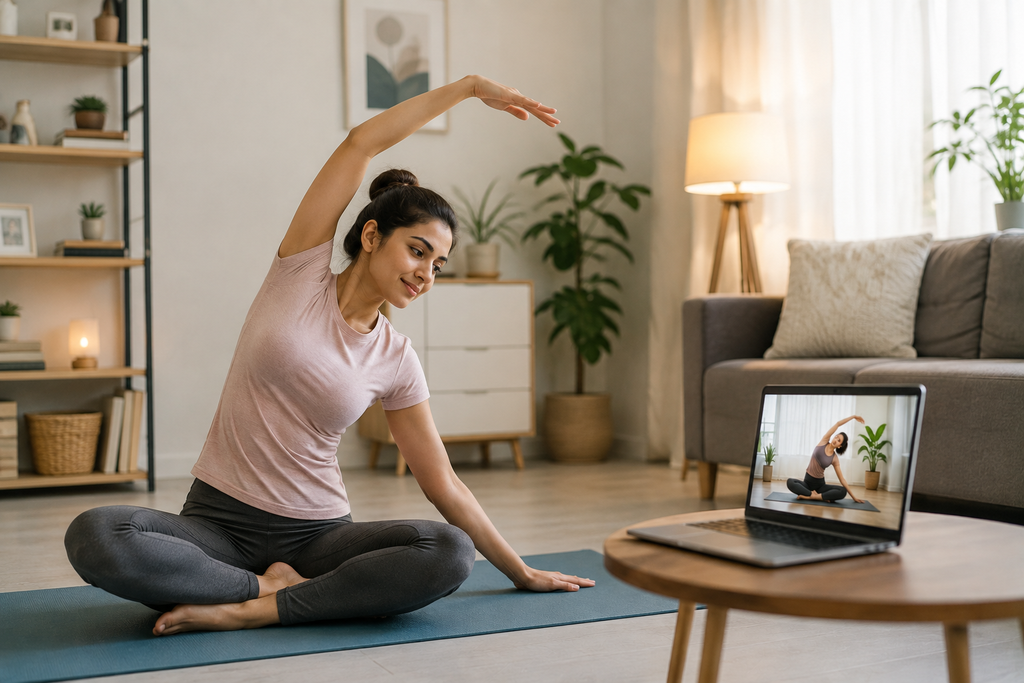
Step 1: Choose a Suitable Time
Pick a time when you are unlikely to be interrupted. Some people prefer practicing in the morning, while others find an evening session more convenient.
The most important thing is consistency. Choose a time that you can realistically maintain.
Step 2: Start With Short Sessions
If you are completely new to yoga, you do not need to practice for an hour on your first day.
Start with around 10–20 minutes and gradually increase the duration as you become more comfortable.
Short, regular sessions can be easier to maintain than occasional long workouts.
Step 3: Begin With a Warm-Up
Before moving into deeper stretches or more challenging poses, gently warm up your body.
You can begin with:
- Shoulder rolls
- Gentle neck movements
- Wrist and ankle movements
- Cat-Cow movements
- Gentle spinal stretches
- Easy seated movements
Move slowly and avoid forcing your body into any position.
Step 4: Learn Basic Yoga Poses
Beginners can start with simple poses that help develop body awareness, balance, mobility, and strength.
Child’s Pose
Child’s Pose is a gentle resting posture. It can be useful between more active movements.
To practice it, kneel on the mat, sit your hips back toward your heels, and gently lower your upper body forward. You can keep your arms extended or relaxed beside your body.
Cat-Cow Pose
Cat-Cow is commonly used as a gentle movement for the spine.
Start on your hands and knees. Slowly alternate between gently arching your back and rounding your spine while coordinating the movement with your breathing.
Mountain Pose
Mountain Pose is a simple standing posture that encourages awareness of posture and balance.
Stand comfortably with your feet grounded. Keep your spine naturally upright and your shoulders relaxed.
Downward-Facing Dog
Downward-Facing Dog is a common yoga posture that involves the arms, shoulders, legs, and back.
Beginners should focus on maintaining a comfortable position rather than trying to force their heels toward the floor.
Warrior Pose
Warrior poses involve standing strength and balance. They can help beginners become familiar with maintaining stable positions while moving through a yoga routine.
Tree Pose
Tree Pose is a balance posture. Stand on one leg while placing the other foot in a comfortable supported position on the standing leg. Beginners can keep one hand near a wall for additional support.
Step 5: Practice Breathing
Breathing is an important part of yoga. Instead of holding your breath while trying to maintain a difficult position, aim for slow and comfortable breathing.
Simple breathing exercises can also be included before or after physical postures.
If a breathing technique makes you feel uncomfortable or dizzy, stop and return to normal breathing.
Step 6: Finish With Relaxation
End your practice with a few minutes of gentle relaxation.
You can lie comfortably on your mat, close your eyes if comfortable, and take slow, natural breaths.
This gives your body a chance to settle after the physical movements.
A Simple Beginner Yoga Routine at Home
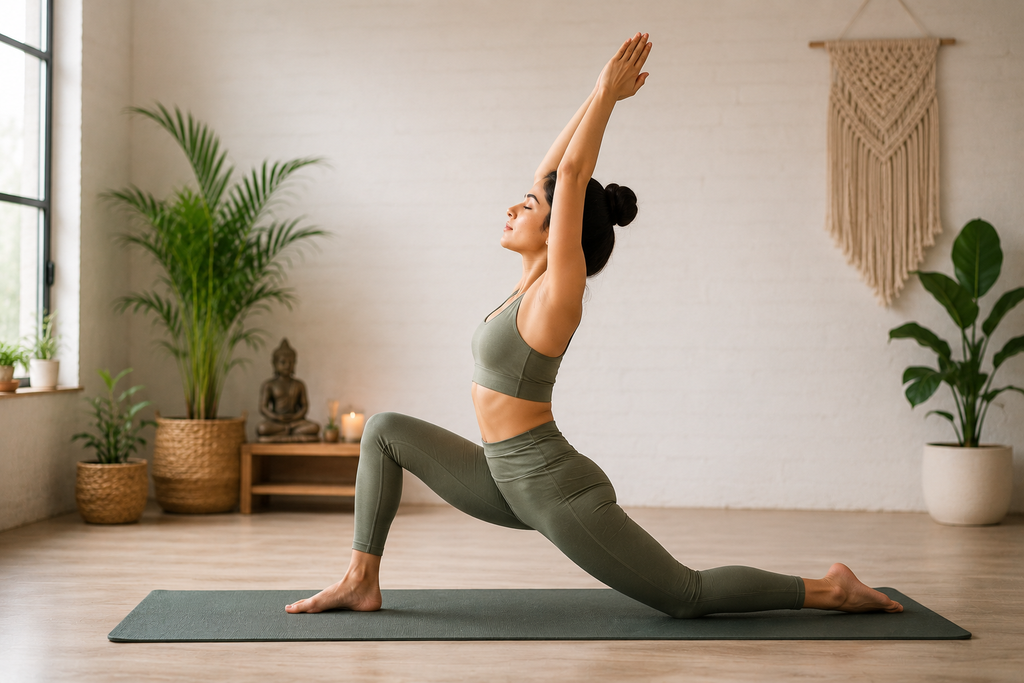
Here is an example of a beginner-friendly routine:
1. Easy breathing – 2 minutes
Sit comfortably and take slow, natural breaths.
2. Gentle warm-up – 3 minutes
Perform shoulder rolls, ankle movements, and gentle spinal movements.
3. Cat-Cow – 1–2 minutes
Move slowly while coordinating movement with breathing.
4. Child’s Pose – 1 minute
Relax and breathe comfortably.
5. Downward-Facing Dog – 30–60 seconds
Keep the position comfortable and bend your knees if necessary.
6. Warrior Pose – 30 seconds on each side
Focus on stable footing and comfortable breathing.
7. Tree Pose – 20–30 seconds on each side
Use a wall for support if needed.
8. Gentle stretching – 2–3 minutes
Choose stretches that feel comfortable.
9. Relaxation – 2–5 minutes
Finish by resting quietly and breathing naturally.
This routine is only an example. Beginners should adjust the poses, duration, and intensity according to their individual abilities.
How Often Should You Practice Yoga?
There is no need to practice for hours every day. Beginners can start with two or three sessions per week and gradually increase the frequency if they enjoy it.
For example, you could practice for 15–20 minutes on Monday, Wednesday, and Friday.
As you become more comfortable, you might increase the duration or add additional sessions.
Consistency is more important than trying to complete a very difficult routine occasionally.
How Can Online Yoga Classes Help Beginners?
Online Classes Yoga programs can be useful for people who want guidance while practicing at home.
Depending on the platform, you may find:
- Beginner yoga classes
- Live instructor-led sessions
- Recorded classes
- Short yoga routines
- Yoga for flexibility
- Gentle yoga sessions
- Yoga for relaxation
- More advanced classes
When choosing an online class, make sure the difficulty level matches your experience.
A beginner should not immediately choose an advanced class simply because it looks impressive. Starting with basic instruction can help you understand proper movement and technique.
Live vs Recorded Yoga Classes
Both live and recorded classes can be useful.
Live Classes
Live classes allow you to practice at a specific time with an instructor and other participants. They can provide a structured routine and a sense of participation.
Recorded Classes
Recorded sessions offer greater flexibility. You can practice whenever you have time and repeat a class if you want to review the movements.
The best option depends on your schedule and learning preferences.
Common Mistakes Beginners Should Avoid
Starting yoga is generally simple, but beginners should avoid some common mistakes.
Trying to Be Perfect
Yoga is not a competition. You do not need to perform every pose perfectly.
Comparing Yourself With Others
Everyone has a different level of flexibility, strength, balance, and experience. Focus on your own progress.
Holding Your Breath
Remember to breathe naturally and comfortably during your practice.
Forcing a Stretch
You should feel a gentle stretch, not sharp or severe pain. Do not force your body into a position.
Starting With Advanced Poses
Headstands, deep backbends, and other advanced poses require appropriate preparation and instruction. Beginners should first develop basic strength, mobility, and technique.
Practicing on an Unsafe Surface
Make sure your mat is stable and the surrounding area is free from objects that could cause you to trip.
Tips to Stay Consistent With Yoga
Building a routine is easier when yoga becomes part of your normal schedule.
Try these simple tips:
- Choose a fixed practice time.
- Keep your yoga mat easily accessible.
- Start with short sessions.
- Follow beginner-friendly classes.
- Track your practice if that motivates you.
- Try different styles to find what you enjoy.
- Avoid expecting immediate flexibility.
- Increase difficulty gradually.
- Give yourself rest when needed.
You can also combine yoga with other activities such as walking, cycling, strength training, or dancing to create a varied fitness routine.
Can Yoga Help With Flexibility and Fitness?
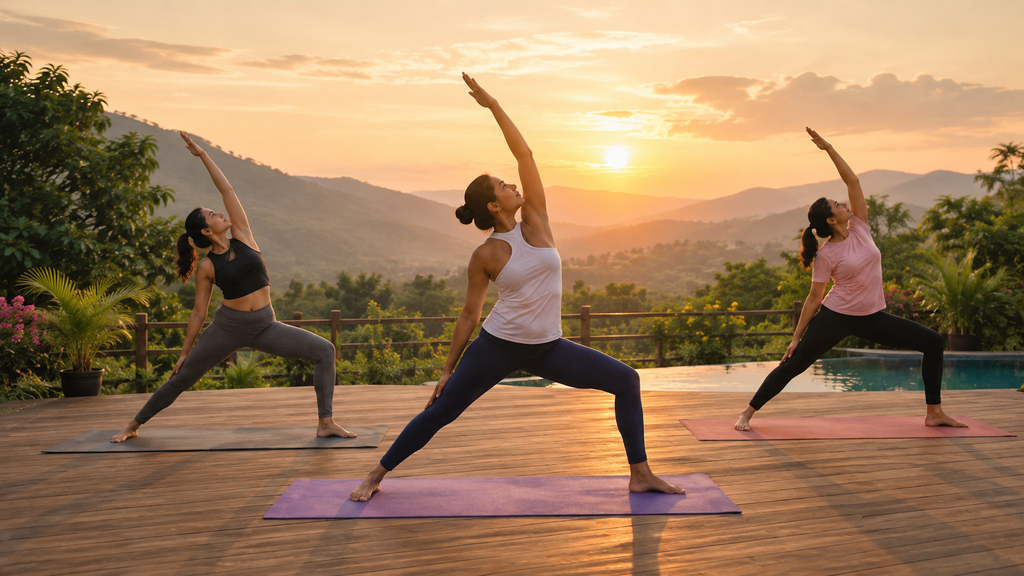
Regular yoga practice can help improve flexibility, balance, mobility, and body awareness. Some forms of yoga also require muscular effort and can contribute to physical fitness.
However, yoga should not be viewed as a replacement for every form of exercise. For overall fitness, many people benefit from combining flexibility and mobility exercises with aerobic activity and strength training.
Your goals should determine how you structure your overall routine.
Is Yoga Suitable for Beginners?
Yes, many yoga styles and classes are designed for beginners. However, different people have different physical abilities and health considerations.
If you have an injury, chronic health condition, are pregnant, have recently had surgery, or have another medical concern, consider speaking with an appropriate healthcare professional before starting a new exercise routine.
During practice, stop if you experience significant pain, dizziness, chest pain, or unusual shortness of breath
Final Thoughts
Starting yoga at home does not have to be complicated. You can begin with a yoga mat, comfortable clothing, a small amount of space, and a short beginner routine.
Start slowly, learn basic poses, focus on comfortable breathing, and gradually increase the length and difficulty of your practice. Online Classes Yoga programs can also provide useful guidance for beginners who prefer learning from home.
The most important part of starting yoga is consistency. You do not need to be highly flexible or experienced before you begin. With regular practice and patience, yoga can become a simple and enjoyable part of your daily fitness and wellness routine.

