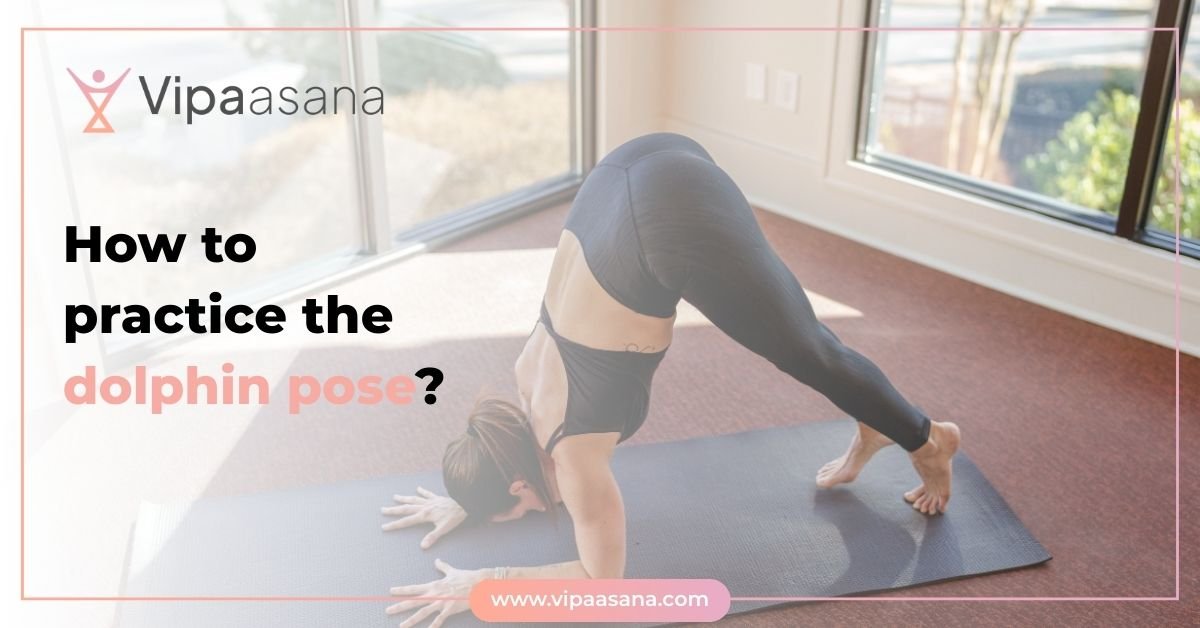
The Dolphin Pose, or Ardha Pincha Mayurasana in Sanskrit, is a powerful yoga asana known for its ability to open, stretch, and strengthen the upper body. It particularly enhances shoulder flexibility and core strength, making it an excellent preparatory pose for more advanced inversions like the headstand. Practicing Dolphin Pose also improves hamstring flexibility and tones the hips and thighs, contributing to overall body balance and vitality. For those exploring yoga courses online, this pose is a foundational element that builds strength and stability while encouraging mindful breathing.
How Can You Prepare for the Dolphin Pose?
Hip Flexibility
Achieving proper Dolphin Pose requires good hip flexibility, which reduces discomfort and allows longer holds. To enhance hip flexibility, practice complementary poses such as Triangle Pose, Lunges, Garland Pose, Cobbler’s Pose, and Pigeon Pose regularly. These asanas loosen the hips and prepare the body for the weight-bearing nature of the Dolphin Pose.
Arm Strength
Since approximately half of your body weight rests on your arms and shoulders during this pose, strengthening these areas is crucial. Builds strength through poses like Cow Face Pose (Gomukhasana), Puppy Pose, Thread the Needle, Seated Eagle Pose, Downward Facing Dog, and regular push-ups. Developing arm strength supports proper alignment and prevents injury as you hold the Dolphin Pose longer.
Core Strength
A strong core helps maintain stability in Dolphin Pose. Core-building exercises such as Triangle Pose, Warrior Series, Boat Pose, and Plank Pose activate abdominal muscles and provide foundational support for inversions. A robust core keeps your spine aligned and distributes weight evenly, improving control and endurance in the posture.
How to Practice Dolphin Pose
How to Get into the Posture
- Start on your hands and knees, with knees directly below hips and forearms on the floor, shoulders stacked above wrists. Press your palms and forearms firmly into the mat.
- Inhale deeply, then exhale gently as you lift your knees up and away from the floor. Initially, heels may lift off the floor, which is normal and improves with practice.
- Lift your sit bones toward the ceiling while maintaining strong forearm pressure on the mat. Keep shoulder blades firm and engaged.
- Straighten your knees if comfortable, but avoid rounding the back — keep the spine long and straight.
- Hold the position for several deep breaths, focusing on steady, calm breathing.
Getting Out of the Posture
To exit the pose, inhale and gently lower your knees to the floor. Release the arms and extend them forward as you transition into Child’s Pose, allowing your body to relax and absorb the benefits of the posture.
What Are the Benefits of Practicing Dolphin Pose?
Dolphin Pose offers numerous physical and mental benefits. It improves blood circulation to the brain, which calms the system, relieves stress, and helps with mild depression. The pose stretches and enhances the flexibility of the shoulders, spine, hamstrings, calves, and arches. Additionally, it strengthens the arms and legs, supporting better posture and stability.
For women, particularly during menopause, Dolphin Pose can alleviate common symptoms and menstrual discomfort. It also aids digestion and is therapeutically beneficial for conditions like high blood pressure, asthma, flat feet, sciatica, headaches, back pain, and general fatigue.
What Are the Contraindications of Dolphin Pose?
Those with recent or ongoing shoulder, back, arm, or neck injuries should avoid this posture. Individuals with high blood pressure or inner ear and eye infections are also advised against practicing Dolphin Pose. It is best to learn and practice this asana under the guidance of an experienced yoga teacher, especially in the beginning.
Counter Poses of the Dolphin Pose
Postures like Locust Pose (Salabhasana), Child’s Pose (Balasana), and Downward Facing Dog (Adho Mukha Svanasana) work well as counter poses. These poses help stretch and balance the muscles worked in Dolphin Pose and promote overall spinal health.
Dolphin Pose Variations
Easy Variation
Beginners can practice Dolphin Pose using wall support. Stand about two feet from a wall, hinge at the hips into a half-forward fold, and press forearms against the wall. This variation reduces weight-bearing stress and helps build confidence.
Using yoga props like straps to create tension around the upper arms can also assist in maintaining proper alignment during the pose. Placing a block on the mat for head support is another useful modification.
Advanced Variation
Advanced practitioners can progress to full Pincha Mayurasana (Forearm Stand) with instructor guidance, taking advantage of the strength and shoulder mobility developed through Dolphin Pose.
Advice for Beginners for the Dolphin Pose
Before attempting Dolphin Pose, warm up the shoulders and arms thoroughly. Shoulder opening exercises like lifting elbows while pressing wrists firmly into the floor or pressing palms together on forearms prep the muscles effectively.
If you find your upper back rounding when straightening legs, keep your knees bent until flexibility increases to maintain proper spinal alignment.
Practice Tips for the Dolphin Pose
To deepen the pose, lift from the hips to distribute weight evenly between feet and forearms. Keep your chest lifted, ribs drawn in, and avoid sinking down. Maintain long, steady breaths to support endurance and relaxation.
Shvasa Tips for Dolphin Pose
It is perfectly normal for heels to stay lifted off the floor initially. Prioritize maintaining an aligned, straight back over forcing heels down. Always practice under the guidance of a certified yoga instructor, especially for intermediate to advanced postures like Dolphin Pose.