
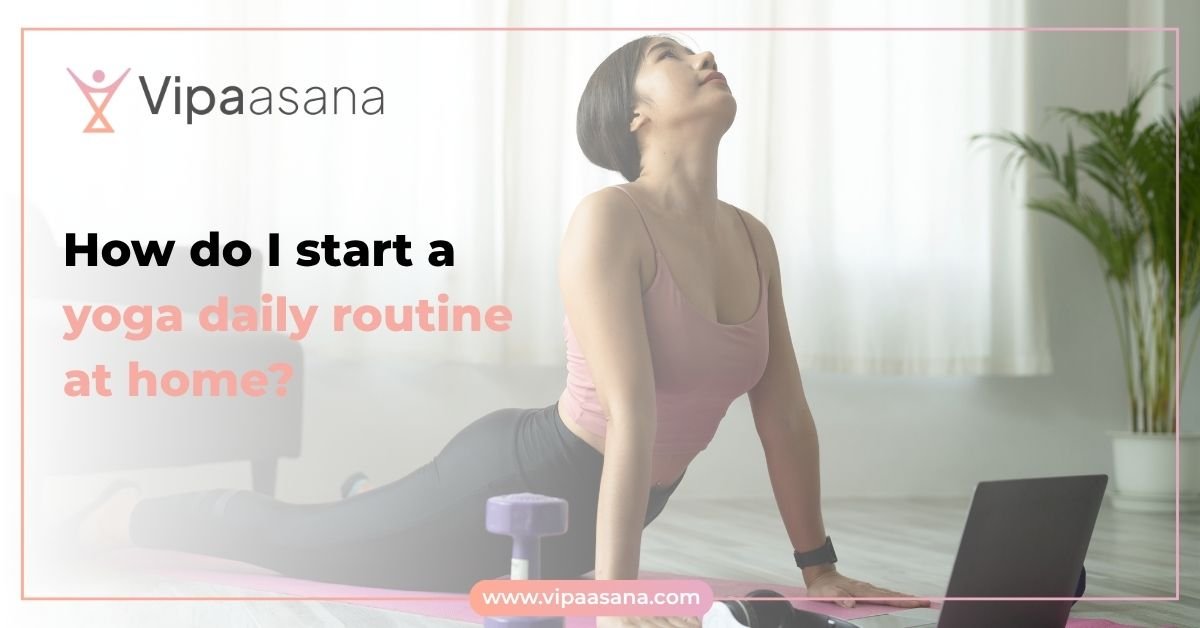
Starting a daily yoga routine at home is a simple way to bring movement, relaxation, and mindfulness into your everyday life. Yoga combines physical postures, breathing techniques, and relaxation practices that can help support flexibility, balance, body awareness, and general well-being. You do not need an expensive gym membership or a large exercise space to begin. A quiet corner of your home and a few minutes of dedicated time can be enough to start.
For beginners, the most important thing is to keep the routine simple and comfortable. You do not need to master difficult poses or practise for an hour every day. Starting with 10–15 minutes can help you become familiar with basic movements and develop a consistent habit.
Whether your goal is to improve flexibility, reduce stiffness from sitting, feel more relaxed, or become physically active, a well-planned home yoga routine can fit into your schedule. The key is to choose suitable poses, practise regularly, listen to your body, and gradually increase the duration as you become more comfortable.
Why Start a Daily Yoga Routine at Home?
Practising yoga at home offers flexibility and convenience. You can choose a time that suits your schedule without travelling to a studio or following a fixed class timetable.
A regular yoga routine may help improve flexibility, balance, mobility, and awareness of posture. Gentle movement and breathing exercises may also help some people feel calmer and manage everyday stress.
Home practice allows you to progress at your own pace. You can repeat beginner-friendly poses, take breaks when needed, and gradually become more confident with the movements.
Yoga can also complement other healthy habits, such as walking, strength training, balanced eating, and adequate sleep. However, yoga is not a replacement for medical care, and its benefits depend on your practice, individual needs, and overall lifestyle.
Step 1: Choose a Suitable Time for Yoga
The first step is to select a time when you can practise comfortably and consistently. Many people prefer morning yoga because it creates an opportunity to stretch and move before starting work or household responsibilities.
Others prefer practising in the evening to unwind after a busy day. There is no single best time for everyone. Choose the time that fits your routine and energy levels.
If you practise in the morning, allow yourself enough time to wake up and begin gently. If you practise after eating, avoid uncomfortable movements on a full stomach.
Start by setting aside 10–15 minutes on several days of the week. Once the routine becomes familiar, you can gradually increase the duration or frequency.

Step 2: Prepare a Comfortable Space
You do not need a dedicated yoga room to begin. Choose a clean, quiet area where you can stretch your arms and legs without hitting furniture or other objects.
A yoga mat can provide cushioning and grip, but a suitable non-slip surface may also work for some standing exercises. Wear comfortable clothing that allows you to bend, reach, and move freely.
Keep water nearby, particularly if your home is warm or your session includes more active movements. You may also use a folded blanket, cushion, or sturdy yoga block to make certain positions more comfortable.
Reduce distractions where possible. A few uninterrupted minutes can help you concentrate on your breathing and movements.
Step 3: Begin With Gentle Breathing
Before moving into yoga poses, take one or two minutes to notice your breathing. Sit comfortably on a chair, cushion, or mat with your spine in a natural position.
Allow your shoulders to relax. Breathe gently through your nose if comfortable, without forcing deep inhalations or holding your breath.
Notice the movement of your abdomen and chest as you breathe. If your thoughts wander, calmly bring your attention back to your breathing.
This simple practice can help you settle into the session and become more aware of how your body feels.
You do not need to perform complicated breathing techniques as a beginner. Keep your breathing comfortable, especially when learning new postures.
Step 4: Warm Up Before Practising Yoga Poses
A gentle warm-up helps prepare your body for movement. Spend about two to three minutes moving slowly before attempting longer stretches or more demanding poses.
You can begin with shoulder rolls, gentle wrist movements, and slow neck movements within a comfortable range. Avoid forcing your head backward or making sudden circles with your neck.
Next, try marching gently in place or walking around the room for a short time.
If you are seated, gently move your shoulders and ankles and extend your legs one at a time.
A warm-up should feel easy. The aim is to introduce movement gradually rather than tire yourself before the main practice.
Step 5: Practise Mountain Pose
Mountain Pose, also called Tadasana, is a basic standing posture that helps you practise balance and body awareness.
Stand with your feet comfortably apart and distribute your weight evenly across both feet. Keep your knees relaxed rather than locked.
Let your arms rest beside your body and allow your shoulders to settle naturally. Look straight ahead and breathe comfortably.
Stay in the position for several breaths, noticing how your feet connect with the floor and how your body maintains balance.
You can perform this pose near a wall or sturdy chair if you need additional support.
Mountain Pose may look simple, but it provides an opportunity to practise standing with awareness and control.
Step 6: Try Cat-Cow Pose
Cat-Cow is a gentle movement commonly used to mobilise the spine. It is usually practised on the hands and knees.
Place your hands beneath your shoulders and your knees beneath your hips. As you inhale, gently lift your chest and allow your back to move into a comfortable arch.
As you exhale, round your back gently and allow your head to follow the movement without forcing your neck.
Repeat slowly for five to eight comfortable rounds, coordinating the movements with your breathing.
If kneeling is uncomfortable, you can try a modified version while seated on a chair, moving your back gently between a slightly arched and rounded position.
Stop if the movement causes pain, and avoid forcing your spine into an extreme position.
Step 7: Practise Child’s Pose
Child’s Pose, or Balasana, is a resting posture that many people include in gentle yoga routines.
Begin on your hands and knees, then move your hips backward toward your heels as far as comfortable. Extend your arms forward or rest them beside your body.
You can place a cushion or folded blanket beneath your hips or forehead for support.
Breathe gently and remain in the position for a few comfortable breaths. If your knees, ankles, or hips feel uncomfortable, change the position or choose a different resting posture.
Child’s Pose is optional. You can rest in any comfortable position that allows you to breathe normally.
Step 8: Include a Gentle Standing Stretch
A gentle standing stretch can help you practise reaching and moving without forcing your body.
Stand with your feet comfortably apart. Inhale as you raise your arms overhead, if comfortable. Keep your shoulders relaxed and avoid lifting your arms higher than feels natural.
You can then lower your arms slowly as you exhale.
If you feel balanced and comfortable, you may add a small side stretch by reaching one arm upward and leaning slightly to the opposite side. Keep both feet grounded and avoid bending deeply.
Repeat on the other side.
If standing balance is difficult, perform the movement while seated in a sturdy chair.
Step 9: Add a Gentle Forward Fold
A standing forward fold can stretch the back of the legs and encourage comfortable movement through the hips.
Stand with your feet about hip-width apart and keep your knees slightly bent. Slowly hinge forward from your hips, allowing your hands to rest on your thighs, shins, a chair, or blocks.
Do not force your hands toward the floor. The position should feel comfortable, with no sharp pulling or pain.
Take a few relaxed breaths, then return to standing slowly. If you feel dizzy, stop and rest.
People with back problems, balance difficulties, or certain medical conditions may need a modified version or professional guidance before attempting this pose.
Step 10: Finish With Relaxation
Finish your yoga routine with one or two minutes of quiet relaxation. Lie on your back with support beneath your knees, or sit comfortably in a chair if lying down is uncomfortable.
Let your arms rest naturally and allow your breathing to return to its normal rhythm.
Notice how your body feels after moving. There is no need to judge the session or expect an immediate change in flexibility or mood.
A short period of relaxation gives you time to transition back into your day calmly.
If you feel uncomfortable lying on your back, choose a supported side-lying or seated position instead.
A Simple 15-Minute Daily Yoga Routine
If you are unsure how to organise your first sessions, use this beginner-friendly example.
- Minutes 1–2: Sit comfortably and focus on gentle breathing.
- Minutes 3–4: Warm up with shoulder rolls and gentle movements.
- Minutes 5–6: Practise Mountain Pose and comfortable arm raises.
- Minutes 7–9: Perform Cat-Cow or a seated variation.
- Minutes 10–11: Practise Child’s Pose or another comfortable resting posture.
- Minutes 12–13: Try a gentle standing stretch or supported forward fold.
- Minutes 14–15: Finish with comfortable breathing and relaxation.
This is an example rather than a fixed requirement. You can change the order, shorten poses, or leave out any movement that does not suit your body.
As your confidence improves, you can gradually add other beginner-friendly poses or follow a guided class.
How Often Should Beginners Practise Yoga?
Beginners can start with short sessions three to five days a week, depending on their schedule and physical comfort. If you prefer daily practice, keep some sessions especially gentle.
Consistency matters more than the length of each session. Ten minutes of comfortable yoga that you can maintain regularly may be more practical than planning long sessions that you frequently skip.
As you become familiar with the poses, you can gradually increase your session duration. You may also alternate between stretching-focused routines, balance exercises, breathing, and relaxation.
Allow time for rest when you feel unusually tired or sore. Yoga should not be a competition, and you do not need to perform every pose every day.
Common Mistakes to Avoid When Starting Yoga at Home
One common mistake is trying difficult poses too early. Advanced movements are not necessary for a useful beginner routine. Start with basic positions and build confidence gradually.
Another mistake is comparing your flexibility with online instructors or other participants. Bodies differ in their structure, mobility, and movement range. A pose may look different for you and still be appropriate.
Avoid holding your breath, forcing a stretch, or pushing through pain. Discomfort caused by a challenging position is not a reason to ignore your body’s signals.
It is also easy to practise irregularly because of a busy schedule. Setting a realistic time and keeping your routine short can make it easier to maintain.
Finally, do not assume that every online routine is suitable for everyone. Choose beginner-friendly guidance and seek professional advice if you have an injury, ongoing pain, or health concerns.
How Can Online Yoga Classes Help?
Online yoga classes can provide structure when you are learning at home. A guided session may help you understand the order of poses, follow instructions, and discover modifications for different experience levels.
Recorded classes allow you to pause and repeat instructions, while live sessions may offer opportunities to ask questions and receive feedback.
Choose a qualified instructor who explains movements clearly and encourages participants to work within their own comfort levels.
Start with sessions labelled beginner or gentle yoga. You can explore longer sessions or different styles after learning the fundamentals.
Remember that a video cannot always identify whether your technique is appropriate. If you experience discomfort or are unsure whether a pose is suitable, stop and seek qualified guidance.
Special Considerations for Pregnancy Yoga at Home
Pregnancy may require a different approach to yoga. If you are pregnant and considering Pregnancy Yoga At Home, consult your healthcare professional before starting or changing your exercise routine.
Choose pregnancy-specific guidance from a qualified prenatal yoga instructor. Suitable movements depend on your stage of pregnancy, previous activity level, symptoms, and individual medical circumstances.
Avoid treating a standard beginner yoga routine as automatically safe during pregnancy. Some poses, balance challenges, deep twists, intense abdominal exercises, and certain positions may need to be modified or avoided.
Stop exercising and contact your healthcare professional if you experience concerning symptoms such as bleeding, dizziness, chest pain, painful contractions, or unusual shortness of breath.
The goal is comfortable, appropriate movement rather than pushing flexibility or completing a fixed routine.
How to Stay Motivated With Daily Yoga
Building a lasting yoga habit takes patience. Start with a realistic goal, such as practising for 10 minutes after waking up or before going to bed.
Keep your mat or other practice equipment in an accessible place so that getting started feels easier.
You can also maintain a simple record of your sessions. Instead of measuring success only through flexibility, notice whether you are practising more regularly, learning poses, or feeling more comfortable with movement.
Try different beginner routines to discover which styles you enjoy. Some days may suit gentle stretching, while others may be better for breathing and relaxation.
If you miss a day, simply return to your routine when you can. A missed session does not mean you have failed.
Final Thoughts
Starting a daily yoga routine at home does not have to be complicated. With a comfortable space, a few basic poses, gentle breathing, and a realistic schedule, you can begin developing a routine that fits your lifestyle.
Start with 10–15 minutes, warm up before practising, move within your comfortable range, and finish with relaxation. As you become more familiar with yoga, you can gradually adjust the duration and explore other beginner-friendly movements.
The most important thing is to practise consistently without forcing your body or comparing your progress with others. Choose movements that suit your needs, listen to your body’s signals, and seek qualified guidance whenever necessary.
Over time, a simple home yoga routine can become a practical way to make movement, body awareness, and relaxation part of your everyday life.

