
Maintaining a healthy lifestyle is not only about eating nutritious food or exercising occasionally. It is about creating simple and consistent habits that support your physical and mental well-being. In a busy daily routine, finding time for exercise can sometimes be difficult. This is where yoga can become a practical part of your lifestyle.
Yoga combines physical postures, breathing exercises, relaxation, and mindful movement. It can be practiced by beginners as well as experienced practitioners and does not necessarily require expensive equipment. A yoga mat and a comfortable space are often enough to get started.
A daily yoga routine can be adapted according to your schedule, fitness level, and personal goals. You do not have to practice for several hours every day. Even a short and consistent routine can help you make movement and relaxation a regular part of your day.
For people who need structured guidance, a Yoga Subscription can also provide access to regular online yoga classes, guided sessions, and different types of routines.
What Is a Daily Yoga Routine?
A daily yoga routine is a planned period of yoga practice that you follow regularly. It may include warm-up movements, yoga poses, breathing exercises, relaxation, or meditation.
The routine does not have to be exactly the same every day. For example, you may choose a gentle stretching routine on a busy day and a longer yoga session when you have more free time.
The main purpose is to make yoga a consistent habit rather than something you practice only occasionally.
Why Include Yoga in Your Daily Lifestyle?
Yoga can be a useful form of physical activity because it combines movement with breathing and relaxation. A regular practice can support flexibility, balance, strength, posture, and body awareness.
Many people also use yoga as a way to take a break from their daily responsibilities. Sitting quietly, focusing on breathing, and moving through gentle poses can provide time away from screens and other distractions.
However, yoga should be considered one part of a healthy lifestyle. A balanced diet, adequate sleep, regular physical activity, and appropriate healthcare are also important.

Benefits of a Daily Yoga Routine
1. Supports Flexibility
Flexibility can decrease when you spend long periods sitting or remain physically inactive. Gentle yoga stretches can help move different parts of the body through comfortable ranges of motion.
Poses such as Butterfly Pose, Cat-Cow, Child’s Pose, and gentle seated stretches can be included in a beginner routine.
You do not need to be flexible before starting yoga. Flexibility can gradually improve with regular practice.
2. Helps Build Strength
Some yoga poses require you to support your body weight. Standing poses, balancing poses, and certain floor positions can engage muscles throughout the body.
For example, Plank Pose can challenge the core and upper body, while Chair Pose can engage the legs.
Beginners should focus on correct technique rather than holding a pose for a long time.
3. Supports Better Balance
Balance is an important part of everyday movement. Yoga poses such as Tree Pose can help you practice stability and concentration.
If you are new to balance poses, practice near a wall or another stable support.
4. Encourages Better Posture Awareness
Daily activities such as working at a computer or using a mobile phone can involve sitting or looking downward for long periods.
Yoga can help you become more aware of how you position your spine, shoulders, and head. Combining yoga with a suitable workstation setup and regular movement breaks can support healthier movement habits.
5. Promotes Relaxation
Yoga often includes breathing and relaxation techniques. Taking a few minutes to slow down and focus on your breathing can create a relaxing break during the day.
Gentle yoga in the evening can also become part of a calming bedtime routine, although people respond differently to exercise before sleep.
6. Supports Mindful Breathing
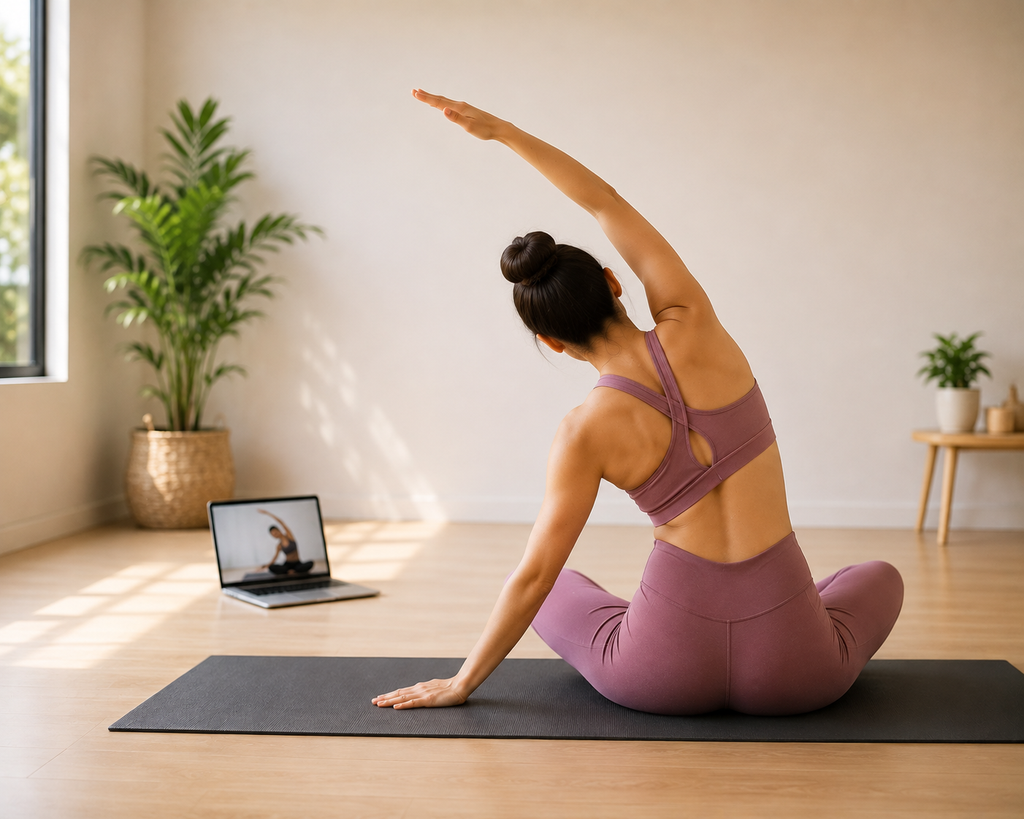
Breathing exercises are an important part of many yoga practices. Learning to pay attention to your breath can help you become more aware of your body and the present moment.
Beginners can start with simple, natural breathing rather than immediately attempting advanced breathing techniques.
Best Time to Practice Yoga
There is no single perfect time for everyone. The best time is the time that fits naturally into your schedule.
Morning Yoga
Morning yoga can be a great way to begin the day. A short session can include gentle stretches, breathing exercises, and a few basic standing poses.
A simple morning routine might include:
- Cat-Cow Pose
- Mountain Pose
- Downward-Facing Dog
- Child’s Pose
- Tree Pose
- Short breathing practice
Afternoon Yoga
If your work or studies involve long periods of sitting, a short afternoon routine can provide an opportunity to move.
You can perform simple stretches for your shoulders, neck, back, and legs. Even a short movement break can help break up long periods of sitting.
Evening Yoga
Evening yoga can focus on gentle movements and relaxation. Child’s Pose, Butterfly Pose, seated stretches, and Savasana can be suitable choices for a relaxing session.
Choose an intensity that matches your energy level at the end of the day.
A 20-Minute Daily Yoga Routine
You do not need a long workout to begin building a daily yoga habit. Here is an example of a simple 20-minute routine.
Step 1: Deep Breathing – 2 Minutes
Sit or stand comfortably. Relax your shoulders and breathe naturally and slowly.
Focus your attention on the movement of your breath without forcing it.
Step 2: Cat-Cow Pose – 2 Minutes
Start on your hands and knees. Slowly alternate between gently arching and rounding your back.
Move at a comfortable pace and coordinate the movement with your breathing.
Step 3: Mountain Pose – 1 Minute
Stand with your feet comfortably positioned. Keep your spine upright and shoulders relaxed.
Take several slow breaths while focusing on your posture.
Step 4: Downward-Facing Dog – 2 Minutes
From a hands-and-knees position, lift your hips upward. Keep your knees slightly bent if needed.
Do not force your heels toward the floor. Focus on a comfortable stretch.
Step 5: Cobra Pose – 1 Minute
Lie on your stomach and place your hands near your shoulders. Gently lift your chest without forcing the movement.
Return to the floor slowly.
Step 6: Child’s Pose – 2 Minutes
Move into Child’s Pose and take several comfortable breaths.
Use this position as a short recovery period.
Step 7: Chair Pose – 1 Minute
Stand with your feet comfortable apart and bend your knees as if sitting back into a chair.
Keep your chest lifted and avoid going lower than is comfortable.
Step 8: Tree Pose – 2 Minutes
Practice Tree Pose on both sides. Use a wall for support if necessary.
Focus on a stable point to help with balance.
Step 9: Butterfly Pose – 2 Minutes
Sit down and bring the soles of your feet together. Allow your knees to relax outward without forcing them.
Keep your spine comfortable.
Step 10: Savasana – 5 Minutes
Lie down comfortably and relax your entire body.
Allow your breathing to return to its natural rhythm.
How to Create a Sustainable Yoga Habit
Starting yoga is easy, but maintaining a regular routine can be more challenging. The key is to make the practice realistic.
Start Small
If you are new to yoga, begin with 10–15 minutes instead of trying to practice for an hour.
Once the routine becomes comfortable, you can gradually increase the duration.
Choose a Regular Time
Try to practice at approximately the same time each day. This can make yoga easier to remember.
Keep Your Equipment Ready
Keep your yoga mat in an easily accessible location. Having your equipment ready can make it easier to start your practice.
Set Realistic Goals
Your goal could simply be to practice yoga five days a week or to complete a short routine every morning.
Avoid setting goals that make your schedule stressful.
How a Yoga Subscription Can Support Your Routine
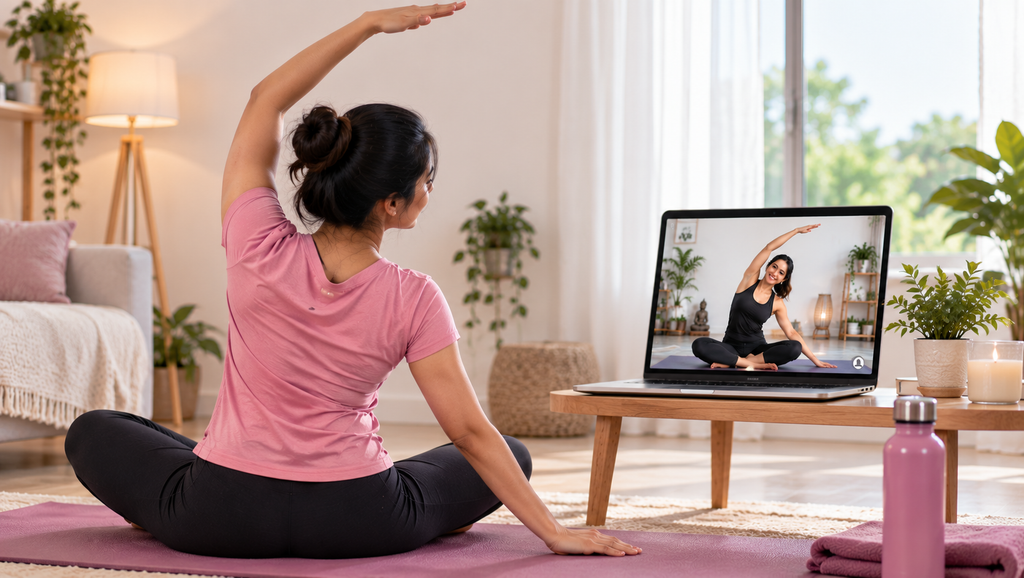
Practicing yoga independently is possible, but some people prefer having structured guidance. A Yoga Subscription can provide access to online classes and guided sessions, depending on the service.
Instead of deciding what to practice every day, you may be able to choose from beginner classes, flexibility sessions, strength-focused yoga, relaxation sessions, or other programs.
A subscription can also help people maintain consistency because they have a structured library or scheduled classes to follow.
Before choosing a Yoga Subscription, consider factors such as:
- Available class types
- Beginner-friendly sessions
- Class duration
- Instructor guidance
- Schedule flexibility
- Cost
- Whether classes are live or recorded
- Availability on your preferred device
Choose a service that fits your schedule and personal preferences rather than selecting a program simply because it offers a large number of classes.
Yoga for Beginners
Beginners should not feel pressured to perform advanced yoga poses. A healthy yoga routine starts with basic movements and gradually progresses.
Begin with simple poses such as:
- Mountain Pose
- Child’s Pose
- Cat-Cow Pose
- Cobra Pose
- Butterfly Pose
- Bridge Pose
- Tree Pose
Focus on learning proper alignment and comfortable breathing.
If a pose feels too difficult, modify it rather than forcing your body into the position.
Yoga for Busy People
One of the biggest advantages of yoga is that it can be adapted to different schedules.
If you have only 10 minutes, you can perform a short stretching and breathing routine.
If you have 20–30 minutes, you can combine warm-up movements, standing poses, floor poses, and relaxation.
On days when you have more time, you can practice a longer session.
The important thing is not to think that a short session is useless. A short routine can still help you maintain the habit.
Common Mistakes to Avoid
Doing Too Much Too Soon
Beginners sometimes try to perform advanced poses immediately. This can place unnecessary stress on the body.
Start with simple movements and gradually progress.
Ignoring Pain
Yoga should not be used to push through sharp or severe pain. Stop a movement if it causes significant discomfort.
Holding Your Breath
Beginners may accidentally hold their breath while concentrating on a difficult pose. Try to maintain natural breathing.
Comparing Yourself With Others
Everyone has different flexibility, strength, and balance. Your yoga practice should focus on your own progress.
Skipping Rest
Rest is an important part of physical activity. You do not necessarily need an intense yoga session every day.
Safety Tips for Daily Yoga
Practice on a stable, non-slippery surface and wear comfortable clothing that allows you to move freely.
Warm up before attempting more demanding movements. Avoid forcing stretches or trying to achieve a particular shape in a pose.
If you have an injury, medical condition, are pregnant, or have concerns about starting a new exercise routine, consult an appropriate healthcare professional for individual guidance.
If you are using online classes, choose instructors and programs that clearly explain modifications and beginner options.
How to Stay Motivated
Motivation can change from day to day. Instead of depending entirely on motivation, focus on creating a routine that is easy to maintain.
You can track your practice in a simple calendar. Mark the days you complete your yoga session and focus on consistency rather than perfection.
You can also change your routine occasionally to keep it interesting. Try a flexibility session one day, a gentle session the next, and a strength-focused session on another day.
A Yoga Subscription with a variety of classes can be useful for people who enjoy having different routines to choose from.
Combining Yoga With Other Healthy Habits
Yoga works best when it is part of an overall healthy lifestyle.
Try to combine your yoga practice with:
- A balanced and nutritious diet
- Regular walking or other physical activity
- Adequate sleep
- Sufficient hydration
- Regular breaks from prolonged sitting
- Time for relaxation
- Healthy daily routines
You do not need to change everything at once. Small, consistent improvements can be easier to maintain.
Conclusion
A daily yoga routine can be a simple way to include movement, flexibility, balance, and relaxation in your lifestyle. You do not need advanced skills or expensive equipment to get started. Even 10–20 minutes of beginner-friendly yoga can help you build a consistent practice.
The most important part is to choose a routine that fits your lifestyle. Practice at a time that works for you, start slowly, and listen to your body.
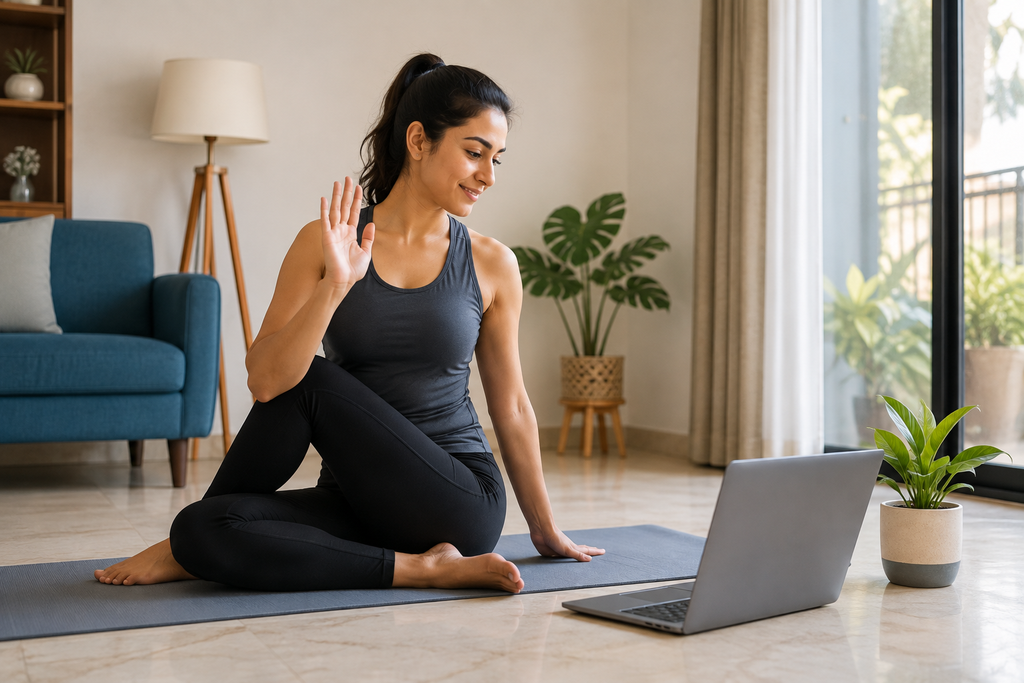
For people who prefer structured guidance, a Yoga Subscription can provide access to different online classes and guided routines. Whether you choose independent practice or an online program, consistency is more important than trying to make every session perfect.
With realistic goals and regular practice, yoga can become a sustainable part of a healthy lifestyle.

