Introduction
Yoga has become a popular practice for people who want to improve their physical fitness, mental well-being, flexibility, and overall lifestyle. Many people who practise yoga regularly eventually develop an interest in teaching it to others. However, a common question among beginners is whether they can join a 200-hour yoga teacher training course without having any previous yoga experience.
The simple answer is that many 200-hour yoga teacher training courses welcome beginners, although eligibility requirements vary between schools and training providers. You do not necessarily need years of yoga practice to begin your journey towards becoming a yoga teacher. What matters most is your willingness to learn, commitment to regular practice, and openness to understanding yoga beyond physical postures.
A 200-hour yoga teacher training course typically introduces students to yoga philosophy, asanas, breathing techniques, meditation, anatomy, and teaching methods. It is designed to build a foundation that can help students develop their personal practice and learn the essential skills required to teach yoga safely and effectively.
In this article, we will explore whether beginners can join a 200-hour yoga teacher training course, what the eligibility requirements may be, what you will learn, and how to prepare for your training.
What Is a 200-Hour Yoga Teacher Training Course?
A 200-hour yoga teacher training course is a foundational training programme that introduces students to the principles and practices of yoga. It usually combines practical sessions with theoretical lessons to help participants understand yoga from physical, mental, philosophical, and teaching perspectives.
The course is commonly considered an entry-level qualification for aspiring yoga instructors. Depending on the school and certification pathway, completing the programme may help you qualify for further registration or professional development opportunities.
Most programmes cover several important areas, including:
- Yoga asanas: Learning postures, alignment, modifications, and their purposes.
- Pranayama: Understanding breathing techniques and their appropriate application.
- Meditation: Exploring concentration, mindfulness, and relaxation practices.
- Yoga philosophy: Studying traditional yoga concepts, principles, and ethical guidelines.
- Anatomy and physiology: Learning about the body, movement, muscles, joints, and safe practice.
- Teaching methodology: Developing communication, sequencing, observation, and instruction skills.
- Practical teaching: Practising how to guide students through yoga sessions.
The exact curriculum and course structure depend on the training provider. Some programmes are intensive, while others offer part-time schedules that allow students to learn alongside work or other responsibilities.
Can Beginners Join a 200-Hour Yoga Teacher Training Course?
Yes, beginners can often join a 200-hour yoga teacher training course, provided they meet the specific school’s admission requirements. Some schools accept students who are relatively new to yoga, while others prefer applicants to have several months of consistent practice.
There is no single admission rule that applies to every yoga teacher training programme. Therefore, you should check the course prerequisites before enrolling.
If you have never attended a formal yoga class, you can still explore teacher training options. However, starting with basic yoga sessions before the course may help you feel more comfortable with common postures, breathing exercises, and class instructions.
You should also understand that a teacher training course is more demanding than a regular yoga class. It involves studying, practising, receiving feedback, and learning how to guide other people. You will need to dedicate time and effort to both the practical and theoretical aspects.
Being a beginner does not automatically mean you are unsuitable for teacher training. A genuine interest in learning, patience, consistency, and respect for the practice can be valuable starting points.
Do You Need Previous Yoga Experience?
Previous yoga experience can be helpful, but it is not always compulsory. The requirements depend on the training school, the style of yoga, and the intensity of the programme.
Some schools recommend regular personal practice before admission because students may need to participate in multiple daily sessions. Others offer beginner-friendly courses that gradually introduce foundational concepts.
If you have no experience, consider the following questions before applying:
- Are you comfortable learning new physical movements at your own pace?
- Can you commit to regular classes and independent practice?
- Are you interested in yoga philosophy, breathing techniques, and meditation as well as postures?
- Are you willing to receive feedback and improve gradually?
- Can you manage the study and practice schedule required by the programme?
You do not need to be extremely flexible, perform advanced poses, or have an athletic background to begin learning yoga. Yoga teacher training is an educational process, not a competition.
However, if you have an injury, mobility limitation, or other health concern that may affect your participation, discuss suitable modifications with a qualified healthcare professional and the training provider before enrolling.
What Should Beginners Know Before Enrolling?
Before joining a 200-hour programme, it helps to understand what the course involves and what will be expected of you.
1. Yoga is more than physical exercise
Yoga includes physical postures, breathing, meditation, self-awareness, and philosophical principles. Teacher training may introduce you to traditional ideas about discipline, mindfulness, and personal development.
2. Flexibility is not an admission requirement everywhere
Many beginners believe they must be flexible before learning yoga. In reality, flexibility often develops gradually through appropriate movement and regular practice. A good training programme should explain posture variations and encourage students to respect their individual limitations.
3. Consistency is important
You may be asked to attend daily sessions, complete assignments, practise teaching, and review theoretical material. Maintaining a consistent routine can help you manage the workload.
4. Teaching requires communication skills
Being able to perform a yoga pose does not automatically make someone an effective teacher. You must also learn to explain movements clearly, observe students, offer appropriate modifications, and create a supportive learning environment.
5. The course requires study
Anatomy, philosophy, teaching principles, and practical assessments may require focused study. Beginners should be prepared to ask questions, revise lessons, and learn from mistakes.
What Will You Learn During a 200-Hour Course?
A well-structured foundational course generally introduces students to the main components of yoga practice and instruction.
Yoga asanas and alignment
You will learn foundational postures such as Mountain Pose, Child’s Pose, Cat-Cow, Warrior poses, and other movements appropriate to the programme. Training may cover alignment principles, common mistakes, modifications, and ways to transition between postures.
Breathing techniques
Pranayama lessons introduce breathing practices and their role in a yoga session. You may learn how to guide simple breathing exercises and understand when a technique should be modified or avoided.
Meditation and relaxation
Students explore concentration, mindfulness, and relaxation methods. These practices can help future instructors create classes that include more than physical movement.
Yoga anatomy and physiology
Basic anatomy lessons help you understand how the body moves and responds to different postures. This knowledge supports safer instruction and helps you recognise why poses may need to be adapted for different students.
Yoga philosophy and ethics
You may study foundational yoga texts, traditional concepts, and ethical responsibilities associated with teaching. These lessons can help you approach yoga with greater awareness and respect.
Teaching practice
Many programmes include practice teaching, lesson planning, sequencing, and instructor feedback. This allows students to begin developing their voice and teaching style in a learning environment.
How Can You Prepare for Yoga Teacher Training Without Experience?
Preparing before your course begins can make the transition easier. You do not need to master advanced poses. Instead, focus on building familiarity with basic yoga practices.
1. Start with beginner-friendly yoga classes
Attend introductory sessions in person or online. Learn basic poses, listen to instructions, and practise moving at a comfortable pace. Beginner sessions can also help you understand how a typical yoga class is structured.
2. Develop a simple daily routine
Begin with 10 to 20 minutes of gentle movement, breathing, or relaxation on most days. Increase the duration gradually as your comfort improves. Avoid pushing yourself into painful positions.
3. Learn basic yoga terminology
Familiarise yourself with common Sanskrit pose names and their English equivalents. You do not need to memorise every term immediately, but recognising familiar names can make lessons easier to follow.
4. Explore different yoga styles
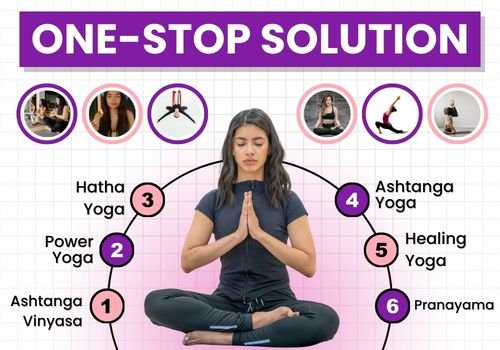
Try introductory classes in styles such as Hatha yoga, gentle yoga, or beginner-friendly Vinyasa. This can help you identify the type of practice that suits your interests and physical comfort.
5. Practise mindful breathing
Learn simple, comfortable breathing awareness exercises. Avoid forceful breathing techniques or prolonged breath retention without appropriate instruction.
6. Read about yoga philosophy
Explore introductory material on the principles and history of yoga. This can help you appreciate the broader purpose of the practice beyond flexibility and fitness.
7. Ask training providers questions
Contact schools directly to confirm their admission requirements, daily schedule, curriculum, assessment process, teaching practice, and certification details.
How to Choose the Right 200-Hour Yoga Teacher Training Course
Choosing the right programme is especially important when you are new to yoga. A suitable school should provide clear information about its curriculum, teachers, expectations, and student support.
Check the eligibility requirements
Ask whether previous yoga experience is mandatory or simply recommended. Confirm whether the course is genuinely suitable for beginners and whether any pre-course practice is expected.
Review the curriculum
Look for a balanced programme that includes asana practice, anatomy, philosophy, breathing techniques, meditation, teaching methodology, and practical teaching experience.
Understand the teachers’ qualifications
Research the instructors’ experience, teaching background, and training. Experienced educators should be able to explain concepts clearly and offer modifications for students with different abilities.
Compare learning formats
Some schools provide residential intensive courses, while others offer non-residential or online programmes. Consider your budget, schedule, preferred learning environment, and ability to attend practical sessions.
Verify certification and registration details
Ask what certificate you will receive upon completion. If you want to register with a particular yoga organisation or teach in a specific location, check its current eligibility and registration requirements directly. Completing a course does not automatically guarantee employment or registration with every organisation.
Look for student support
Beginners may benefit from feedback, additional practice resources, opportunities to ask questions, and guidance when learning to teach.
Compare costs carefully
Review the total fee and check whether it includes learning materials, assessments, accommodation, meals, examinations, or other expenses. A transparent fee structure can help you make a more informed decision.
Is Online Yoga Teacher Training Suitable for Beginners?
Online yoga teacher training may be convenient for people who cannot attend in-person classes because of work, family commitments, location, or travel costs. However, the suitability of an online programme depends on its structure and your learning needs.
A course may include recorded lessons, live classes, demonstrations, assignments, and instructor feedback. Before enrolling, determine whether the programme offers enough opportunities to practise teaching and receive individual guidance.
Ask the provider how it assesses posture alignment, practical teaching skills, and student participation. Also confirm whether the course format meets any registration requirements you may have.
If you are a complete beginner, consider starting with basic online classes before committing to an intensive teacher training programme. Some learners also find it useful to purchase appropriate yoga equipment from a reliable Yoga Online Store, such as a yoga mat or blocks, depending on what the training provider recommends.
Remember that buying equipment is optional for many basic practices. Your priority should be finding suitable instruction and learning to practise safely.
Common Challenges Beginners May Face
Starting a teacher training course without experience can be rewarding, but it may also involve challenges.
Keeping up with the schedule: Intensive programmes can include several hours of practice and study each day. Review the schedule in advance and prepare for the workload.
Remembering pose names: You may encounter unfamiliar Sanskrit terms and technical language. Regular revision and note-taking can help.
Understanding anatomy: Some concepts may initially feel complicated. Ask questions and connect theoretical lessons with practical examples.
Feeling nervous about teaching: Leading a class for the first time can feel uncomfortable. Begin with short practice sequences and use constructive feedback to improve.
Comparing yourself with experienced students: Participants may have different levels of flexibility, strength, and practice experience. Focus on your progress instead of comparing your abilities with others.
These challenges are normal parts of learning. Give yourself time to develop skills rather than expecting immediate perfection.
Can You Become a Yoga Teacher After Completing 200 Hours?
A 200-hour course can provide a foundation for beginning a yoga teaching journey, but the next steps depend on your goals, the programme’s recognition, and the requirements of the places or organisations where you intend to teach.
After completing training, you may consider assisting experienced teachers, practising with fellow trainees, teaching suitable beginner sessions, or continuing your education. You should teach only within the limits of your competence and seek guidance when you encounter students whose needs require additional expertise.
Some instructors pursue further training in specialised areas such as prenatal yoga, yoga for older adults, meditation, or anatomy. Specialised teaching often requires additional education and appropriate experience.
If you want to work professionally, investigate local requirements, insurance considerations, employer expectations, and any relevant registration standards. The certificate alone may not meet every professional or legal requirement.
Most importantly, continue your personal practice. Teaching yoga involves ongoing learning, self-reflection, and a commitment to student safety.
Frequently Asked Questions
1. Can I join a 200-hour yoga teacher training course as a complete beginner?
Yes, some schools accept complete beginners, while others recommend a period of regular yoga practice. Check the admission requirements of each programme before applying.
2. Do I need to be flexible to become a yoga teacher?
No. Advanced flexibility is not generally necessary for beginner-level teacher training. You should learn to practise safely, understand modifications, and respect individual physical limitations.
3. How long does a 200-hour yoga teacher training course take?
The duration varies by provider. Intensive programmes may be completed over several weeks, while part-time courses may run for several months. Confirm the schedule before enrolling.
4. Is a 200-hour course enough to start teaching yoga?
It can provide foundational teaching skills, but whether you can teach professionally depends on the course, your competence, and the requirements of your intended workplace or registration organisation.
5. Can I complete yoga teacher training online?
Some providers offer online training, but practical instruction, feedback, assessments, and recognition vary. Check the format and confirm whether it meets your professional goals.
6. What should I bring to yoga teacher training?
Common items include comfortable clothing, a yoga mat, a notebook, a water bottle, and any equipment recommended by the school. Ask the provider for its specific requirements.
Conclusion
Joining a 200-hour yoga teacher training course without previous experience is possible through programmes that welcome beginners. You do not need to be an expert, perform advanced poses, or have exceptional flexibility before starting. However, you should be prepared to learn consistently, study yoga theory, develop practical skills, and participate in teaching exercises.
Before enrolling, research the school’s admission criteria, curriculum, teachers, certification details, and student support. Starting with beginner-friendly classes and a simple personal practice can also help you build confidence before training begins.
With realistic expectations, regular practice, and a willingness to learn, you can take meaningful steps towards understanding yoga and exploring whether teaching it is the right path for you.