Yoga has become an important part of modern lifestyles. People across the world are practising yoga to improve flexibility, strength, balance, mindfulness, and overall well-being. As interest in yoga continues to grow, many individuals are considering turning their passion for yoga into a professional career.
One common question among aspiring yoga instructors is: Can I become a yoga teacher through online training?
The answer is yes, online learning can help you develop yoga knowledge and teaching skills. Many yoga training providers offer online programmes that cover yoga philosophy, anatomy, asanas, pranayama, meditation, and teaching methodologies. However, becoming a qualified yoga teacher requires more than simply watching yoga videos. You need structured education, regular practice, practical teaching experience, and an understanding of safe yoga techniques.
Live Yoga Classes Online has made learning more accessible for people who cannot attend traditional yoga schools because of work, family responsibilities, location, or time limitations.
Whether you are a beginner who wants to explore yoga professionally or an experienced practitioner looking to improve your knowledge, online training can be a convenient starting point.
In this article, we will explore how online yoga teacher training works, what qualifications you may need, the benefits of online learning, and how you can begin your journey towards becoming a yoga instructor.
1. Can You Really Become a Yoga Teacher Through Online Training?
Yes, online training can provide the theoretical knowledge and practical learning needed to develop as a yoga instructor. However, the recognition of your qualification depends on the training provider, curriculum, assessment process, and certification requirements.
A good online yoga teacher training programme should include more than recorded workout sessions. It should provide structured lessons, instructor guidance, opportunities to practise teaching, and feedback on your performance.
Some programmes offer live interactive classes where students can ask questions, demonstrate yoga poses, and receive corrections from instructors.
You can also explore programmes that combine recorded lessons with practical assignments and supervised teaching sessions.
Before enrolling, check whether the programme provides a recognised qualification for the type of teaching you want to pursue. For example, if you plan to teach internationally, you may want to investigate the requirements of organisations such as Yoga Alliance. If you plan to teach in India, check the relevant Yoga Certification Board (YCB) requirements and the recognition of the training provider.
Online training can be a valuable learning pathway, but completing a course does not automatically guarantee professional recognition everywhere.
2. What Do You Learn in an Online Yoga Teacher Training Programme?
Becoming a yoga teacher requires a combination of theoretical knowledge, physical practice, communication skills, and teaching experience.
A comprehensive online programme generally covers several important subjects.
A. Yoga Philosophy
Yoga is more than physical exercise. It is a traditional practice that includes physical, mental, and philosophical aspects.
During yoga teacher training, you may learn about:
- The history and origins of yoga.
- The Yoga Sutras of Patanjali.
- The eight limbs of yoga.
- The importance of discipline and mindfulness.
- Ethical principles of yoga teaching.
- The connection between mind and body.
Understanding yoga philosophy helps instructors explain the broader purpose of yoga beyond physical postures.
B. Yoga Asanas
Asanas are physical yoga postures designed to develop strength, flexibility, balance, and body awareness.
An online teacher training programme may teach different categories of yoga poses, including:
- Standing poses.
- Sitting poses.
- Forward bends.
- Backbends.
- Twisting poses.
- Balancing poses.
- Relaxation poses.
You also learn how to demonstrate these poses, explain their movements, and offer modifications for people with different experience levels.
C. Anatomy and Physiology
Knowledge of human anatomy is essential for responsible yoga teaching.
Students learn about muscles, joints, bones, movement patterns, posture, and the relationship between breathing and physical activity.
This knowledge helps future instructors understand how different yoga poses affect the body and how to avoid unnecessary physical strain.
D. Pranayama and Breathing Techniques
Pranayama involves traditional yogic breathing practices.
Training may introduce techniques such as:
- Anulom Vilom.
- Bhramari Pranayama.
- Diaphragmatic breathing.
- Nadi Shodhana.
- Basic breath awareness.
You learn how to introduce appropriate breathing practices and guide students safely.
E. Meditation and Relaxation
Meditation is another important component of yoga education.
Aspiring instructors may learn mindfulness practices, guided relaxation, concentration techniques, and methods for helping students develop awareness during their practice.
F. Teaching Methodology
Knowing how to perform yoga poses is different from knowing how to teach them.
Teaching methodology helps students develop the ability to plan sessions, communicate instructions, demonstrate postures, manage class timings, and guide participants according to their abilities.
This is one of the most important parts of becoming a professional yoga instructor.
3. How Do Live Online Yoga Classes Help Aspiring Yoga Teachers?
One of the most useful features of online yoga education is the opportunity to participate in interactive sessions.
Live Yoga Classes Online allow students to practise with an instructor in real time instead of depending entirely on prerecorded videos.
These sessions can help aspiring yoga teachers develop practical skills and improve their understanding of yoga techniques.
Here are some important benefits.
Real-Time Instructor Guidance
During live sessions, students can interact with instructors, ask questions, and receive explanations about different yoga movements.
This helps clarify doubts and makes the learning experience more engaging.
Better Understanding of Yoga Postures
Watching a yoga pose in a video may not always be enough to understand the correct alignment.
Live demonstrations can help students observe the posture, follow the instructions, and receive feedback when individual corrections are available.
Regular Practice and Discipline
Attending scheduled sessions encourages students to maintain a consistent practice.
Regular participation can help improve confidence, flexibility, balance, and familiarity with different yoga techniques.
Opportunities to Practise Teaching
Some online programmes include teaching assignments in which students guide other participants through yoga sequences.
These activities can help develop communication skills, class management abilities, and confidence.
Interaction With Other Learners
Learning alongside other students creates opportunities to exchange experiences, discuss yoga concepts, and practise teaching techniques.
However, aspiring teachers should also ensure that their training includes sufficient supervised practical teaching and assessment.
4. What Qualifications Do You Need to Become a Yoga Teacher?
The qualifications required to become a yoga teacher depend on where you want to teach and which type of programme you choose.
There is no single universal licence that automatically applies to every country or yoga teaching environment.
However, several training pathways can help you develop the necessary knowledge and skills.
200-Hour Yoga Teacher Training
A 200-hour yoga teacher training programme is a commonly recognised entry-level training pathway.
Such programmes generally introduce:
- Yoga philosophy.
- Asana practice.
- Anatomy and physiology.
- Pranayama.
- Meditation.
- Teaching methodology.
- Practical teaching experience.
Some schools offer these programmes online, while others provide in-person or hybrid training.
Before enrolling, confirm whether the programme meets the recognition requirements relevant to your intended teaching location.
300-Hour Advanced Yoga Teacher Training
A 300-hour programme is generally intended for people who have already completed foundational yoga teacher training.
It provides opportunities to explore advanced yoga concepts, teaching methods, anatomy, and specialised practices in greater depth.
Yoga Certification Board (YCB)
In India, the Yoga Certification Board operates under the Ministry of Ayush and offers certification pathways for different yoga-related roles.
If you want to work professionally in India, explore the applicable YCB certification levels, examination requirements, and approved institutions.
You should verify whether an online training provider’s certificate is accepted for the particular certification or employment pathway you are pursuing.
Yoga Alliance Registration
Yoga Alliance is an international organisation that maintains a registry of yoga schools and yoga teachers.
Some students choose Yoga Alliance-registered training programmes because they want to pursue teaching opportunities internationally.
However, registration is not the same as a government-issued professional licence. Always check the specific requirements of your intended workplace or country.
5. Step-by-Step Guide to Becoming a Yoga Teacher Online
If you are interested in becoming a yoga teacher, having a clear learning plan can make the process easier.
Here is a step-by-step approach to get started.
Step 1: Develop a Regular Personal Yoga Practice
Before teaching others, understand your own yoga practice.
Start with basic yoga postures, breathing techniques, and meditation. Focus on learning correct movements rather than trying to perform advanced poses immediately.
A regular personal practice can help you understand how yoga feels and how different postures affect your body.
Step 2: Research Online Yoga Teacher Training Programmes
Explore different training providers and compare their course structures.
Check the following details:
- Course duration.
- Instructor qualifications.
- Training curriculum.
- Live and recorded lessons.
- Practical teaching requirements.
- Examination and assessment methods.
- Certification and recognition.
- Student reviews.
Choose a programme that matches your learning goals and professional plans.
Step 3: Attend Trial or Introductory Sessions
If a provider offers a trial session, attend it before making a financial commitment.
Observe how instructors explain postures, answer questions, and interact with students.
This can help you understand whether the teaching approach suits your learning style.
Step 4: Study Yoga Theory and Practical Techniques
Give equal attention to theoretical and practical learning.
Study yoga philosophy, anatomy, posture alignment, breathing techniques, and teaching methodology.
Practise the techniques regularly so that you can understand and explain them confidently.
Step 5: Participate in Teaching Practice
Teaching practice is essential for developing confidence.
Start by guiding simple yoga sequences to friends, family members, or fellow students under appropriate supervision.
Practise giving clear instructions, explaining modifications, and managing session timings.
Step 6: Complete Your Assessments
Many structured programmes include written examinations, practical demonstrations, assignments, or teaching assessments.
Complete all the required components before receiving your qualification.
Step 7: Build Your Teaching Experience
After completing your training, look for opportunities to gain experience.
You may start by conducting beginner-friendly sessions, assisting experienced instructors, or teaching small groups.
Continue learning through workshops, advanced training, and professional development opportunities.
6. Benefits of Becoming a Yoga Teacher Through Online Training
Online yoga teacher training offers several advantages, especially for individuals who need flexibility in their learning schedule.
1. Learn From Home
You can attend classes from your home without travelling to a yoga school or training centre.
This makes learning accessible to people living in different cities and locations.
2. Flexible Learning Schedule
Many online programmes combine live classes with recorded lessons.
This allows students to organise their studies around their professional and personal responsibilities.
3. Access to Different Instructors
Online learning can provide opportunities to learn from instructors with different teaching backgrounds and specialisations.
You can explore their experience and teaching approach before selecting a programme.
4. More Convenient Revision
Recorded educational sessions can help students revisit difficult topics, revise yoga philosophy, and Live Yoga Classes Online review practical demonstrations.
This can be particularly helpful when preparing for assessments.
5. Develop Digital Teaching Skills
Online yoga education also introduces students to digital teaching tools.
These skills can be useful if you plan to conduct virtual yoga sessions in the future.
6. Potential Career Opportunities
After completing suitable training and meeting relevant requirements, you may explore different career opportunities, such as:
- Online yoga instructor.
- Group yoga teacher.
- Private yoga trainer.
- Yoga studio instructor.
- Corporate yoga instructor.
- Wellness programme facilitator.
Your opportunities will depend on your training, experience, professional qualifications, and the requirements of the organisations you approach.
7. Can Beginners Become Yoga Teachers Without Previous Experience?
Yes, beginners can work towards becoming yoga teachers, provided they choose an appropriate training pathway and are willing to develop their knowledge gradually.
You do not need to be an expert in advanced yoga postures before starting your learning journey.
However, you should have an interest in yoga and a willingness to practise consistently.
Here are some suggestions for beginners:
- Start with foundational yoga postures.
- Learn basic breathing techniques.
- Understand the importance of proper alignment.
- Develop knowledge of anatomy and movement.
- Practise yoga regularly.
- Choose a structured training programme.
- Ask instructors questions whenever you have doubts.
- Focus on teaching skills, not just physical performance.
A good teacher does not need to perform every advanced posture. Instead, they should understand how to guide students safely and provide appropriate modifications.
Beginners should take sufficient time to develop confidence before teaching independently.
8. How Much Time Does It Take to Become a Yoga Teacher Online?
The duration depends on the type of training programme and the time you can dedicate to learning.
A foundational 200-hour programme may be completed over several weeks or months, depending on its structure and the provider’s requirements.
For example, some intensive courses may offer a more concentrated learning schedule, while part-time programmes allow students to learn alongside their jobs or other responsibilities.
The time required may include:
- Theoretical study.
- Daily yoga practice.
- Live instructor sessions.
- Recorded lessons.
- Practical teaching assignments.
- Assessments and examinations.
Do not choose a course simply because it promises the fastest completion time.
Quality training, adequate practice, and proper assessment are more important than finishing quickly.
9. Common Mistakes to Avoid When Choosing Online Yoga Teacher Training
Selecting the wrong course can affect your learning experience and future teaching opportunities.
Here are some mistakes to avoid.
Choosing a Course Based Only on Price
A low-cost programme may seem attractive, but check its curriculum, instructor qualifications, practical sessions, and assessment methods before enrolling.
Ignoring Practical Training
Yoga teaching requires practical skills. A programme that only provides recorded lectures may not offer sufficient experience in demonstrating poses or guiding students.
Not Checking Certification Recognition
Before enrolling, understand what the certificate represents and whether it is accepted by your intended employer or certification organisation.
Expecting to Become an Expert Immediately
Becoming a skilled yoga teacher takes time, patience, and regular learning.
Even after completing a foundational course, you should continue improving your teaching abilities.
Overlooking Anatomy and Safety
Yoga instructors need to understand basic anatomy, posture modifications, and physical limitations.
Ignoring these areas can increase the risk of unsafe teaching practices.
10. How to Start Your Online Yoga Teaching Career After Certification
Once you complete an appropriate yoga teacher training programme, you can begin exploring professional opportunities.
Here are a few ways to start.
Create a Professional Profile
Prepare a profile that includes your training, certification details, teaching interests, and experience.
You can use professional platforms such as LinkedIn to connect with yoga studios, wellness organisations, and potential students.
Start With Beginner-Friendly Classes
Consider teaching simple sessions that focus on basic yoga postures, gentle stretching, and breathing awareness.
Choose a group size that allows you to provide appropriate attention.
Conduct Online Yoga Sessions
You can explore virtual classes using video conferencing platforms.
Prepare a structured lesson plan, check your camera position, and ensure that participants can see your movements clearly.
Build a Community
Share useful yoga information, educational videos, and beginner-friendly practice tips.
Building trust and maintaining consistent communication can help you develop a community of interested learners.
Continue Professional Development
Yoga education does not end when you receive a certificate.
Continue attending workshops, learning about anatomy, exploring different yoga styles, and improving your teaching methodology.
This will help you become a more confident and knowledgeable instructor.
11. Is Online Yoga Teacher Training Better Than Traditional Classroom Training?
Both online and in-person training have advantages. Your choice should depend on your learning preferences, practical requirements, and available resources.
| Factor | Online Training | In-Person Training |
|---|---|---|
| Convenience | Learn from home | Requires travel |
| Scheduling | Often more flexible | Usually fixed |
| Instructor Interaction | Virtual guidance | Direct interaction |
| Practical Corrections | Depends on course format | More immediate physical feedback |
| Learning Resources | Recorded and digital materials | Classroom materials |
| Community Experience | Virtual interaction | Face-to-face interaction |
Online training may be suitable for people who need flexibility, while in-person training can be beneficial for students who prefer direct physical demonstrations and hands-on guidance.
Hybrid training programmes can offer a combination of both approaches.
For beginners, it is especially important to select a programme that provides sufficient supervised practical experience, regardless of the learning format.
12. Frequently Asked Questions (FAQs)
Q1. Can I become a certified yoga teacher through online training?
Yes, you can complete online yoga teacher training programmes that provide certificates. However, recognition depends on the institution, course structure, assessment, and applicable certification requirements. Verify these details before enrolling.
Q2. Do I need to be flexible to become a yoga teacher?
No. You do not need exceptional flexibility to become a yoga instructor. You need to understand yoga techniques, practise regularly, and learn how to guide students according to their individual abilities.
Q3. Can I become a yoga teacher while working full-time?
Yes. Online programmes with flexible schedules, recorded lessons, and suitable live sessions can make it easier to balance professional responsibilities with yoga education.
Q4. Are live online yoga classes useful for teacher training?
Yes. Live Yoga Classes Online can provide opportunities for real-time instructor interaction, practical demonstrations, questions, and feedback. However, ensure your teacher training also includes structured teaching practice and assessment.
Q5. How much does online yoga teacher training cost?
The cost varies depending on the training provider, course duration, instructor experience, certification, and additional learning resources. Compare the complete programme details before making a decision.
Q6. Can I teach yoga internationally after completing an online course?
It depends on the qualification and the requirements of the country or organisation where you want to teach. Some employers may accept particular online qualifications, while others may require additional practical training or recognised certification.
Q7. What is the best yoga style to learn for becoming an instructor?
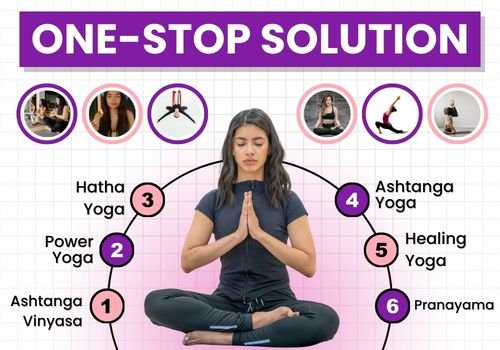
Hatha Yoga is often a useful starting point for understanding foundational postures, breathing, and alignment. You can explore other styles, such as Vinyasa, Ashtanga, or Restorative Yoga, as your knowledge develops.
Q8. Can I teach yoga online after completing my training?
Yes, you can explore online teaching opportunities after completing appropriate training and meeting relevant requirements. You should develop a structured class plan, communication skills, and the ability to guide participants safely through virtual sessions.
Conclusion
Becoming a yoga teacher through online training is a practical learning option for people who want to develop their yoga knowledge while managing their everyday responsibilities.
Online programmes can provide access to yoga philosophy, anatomy, asanas, pranayama, meditation, and teaching methodologies. Live sessions, recorded lessons, instructor guidance, and practical teaching assignments can make the learning process more structured and convenient.
However, becoming a responsible yoga teacher requires consistent personal practice, proper education, practical experience, and a clear understanding of student safety. Before enrolling, always check the training provider’s qualifications, course curriculum, practical requirements, and certificate recognition.
If you are passionate about yoga and interested in helping others develop healthier lifestyles, online training can be a valuable first step towards your teaching journey.
At Vipaasana, the focus is on making yoga learning and practice more accessible through online yoga training. Whether you are beginning your yoga journey or looking to improve your regular practice, choosing the right guidance can help you build confidence and develop healthy habits.